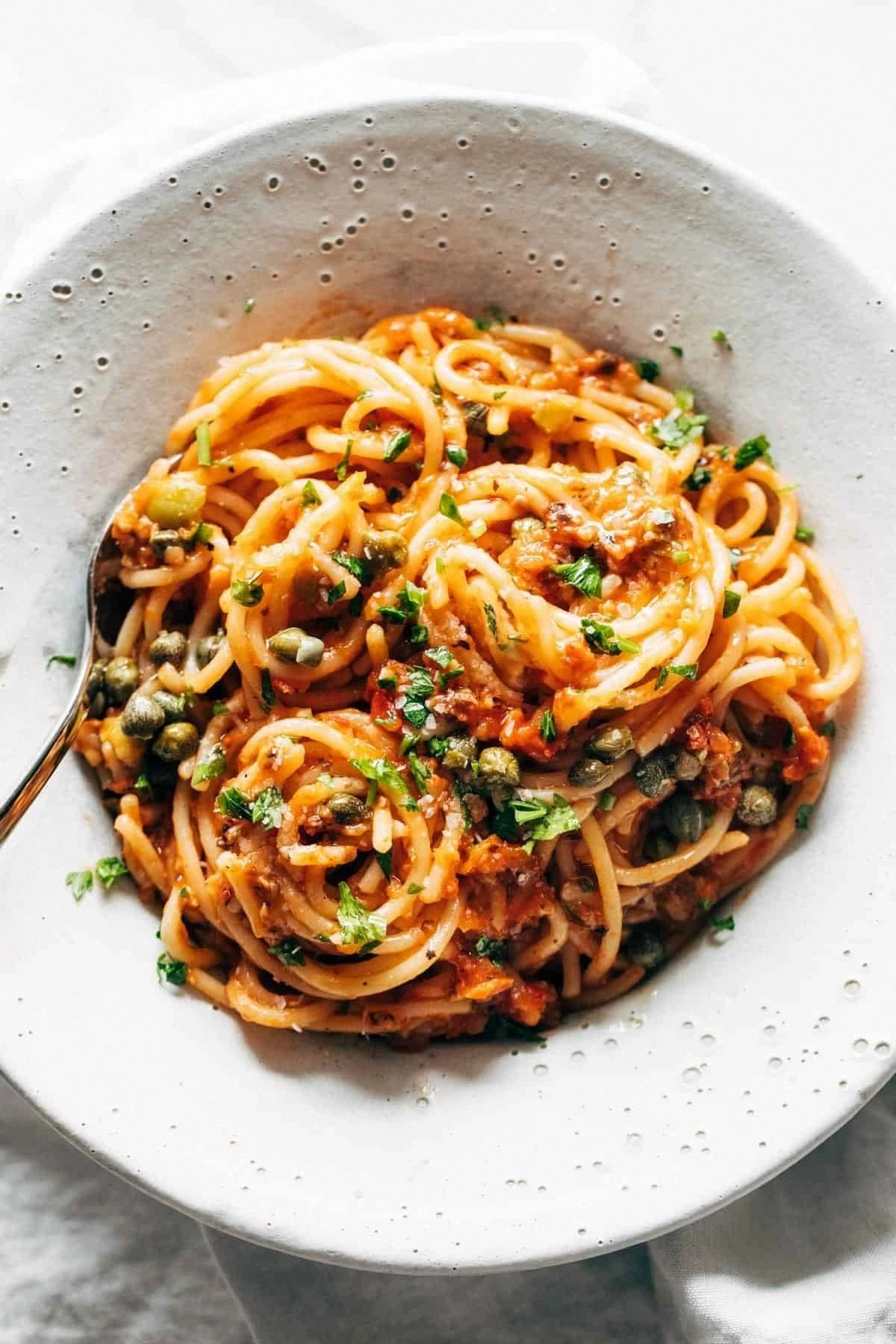
Picture this: you’re standing over a stovetop that’s been screaming “do not touch” for the past half‑hour because you accidentally set the burner to high and the olive oil started doing a frantic flamenco. I was mid‑panic, the smoke alarm was humming, and my roommate dared me to make something that would actually taste like a Mediterranean vacation. I took a deep breath, grabbed the nearest tomatoes, and decided to turn that disaster into a masterpiece. The result? A Roasted Tomato Puttanesca that is so bold it could convince a skeptic that sauce can have a personality.
The kitchen quickly filled with a chorus of aromas: the sweet, caramelized perfume of tomatoes as they hit the oven, the briny whisper of anchovies and olives, and a faint, almost mischievous heat from the red pepper flakes. My ears caught the gentle pop of garlic browning, while the sight of the tomatoes turning a deep, sunset‑orange made my heart race. The moment I lifted the pan, the steam wrapped around me like a warm, peppery hug, and I could already taste the tangy‑umami explosion that would coat the pasta like velvet. My tongue tingled in anticipation, and the cool countertop felt reassuring under my elbows as I prepared the rest of the ingredients.
Most puttanesca recipes I’ve tried either drown the sauce in oil or skimp on the anchovies, leaving you with a bland, watery mess. This version flips the script by roasting the tomatoes first, which concentrates their natural sugars and adds a smoky depth that no canned version can match. The anchovies are sautéed just enough to dissolve into the sauce, creating a silky, umami‑rich foundation without any fishy aftertaste. And the olives? They’re sliced just before serving so they keep their firm bite, giving the sauce a textural contrast that’s nothing short of magical.
But here’s the kicker: I’m tossing in a splash of red wine vinegar at the very end—a secret I stole from my grandmother’s pantry that adds a bright acidity, balancing the richness and making the flavors pop like fireworks on a summer night. I dare you to taste this and not go back for seconds. Let me walk you through every single step — by the end, you’ll wonder how you ever made it any other way.
What Makes This Version Stand Out
- Depth: Roasting the tomatoes before they hit the pan creates a caramelized backbone that makes the sauce taste like it’s been simmering for hours, not minutes.
- Umami: Anchovies melt into the oil, delivering a savory depth that no amount of herbs can replicate, turning every bite into a flavor bomb.
- Texture: The olives stay firm, the capers add a pop, and the sauce clings to pasta like a silk scarf—no clumpy, greasy mess.
- Simplicity: Only ten ingredients, each with a purpose; no fancy gadgets, just a trusty oven and a skillet.
- Crowd‑pleaser: Even the most skeptical eaters admit this sauce is “the best puttanesca they’ve ever had,” and it disappears faster than you can say “bon appétit.”
- Ingredient Quality: Using vine‑ripe tomatoes and high‑quality extra‑virgin olive oil makes a world of difference—cheap canned tomatoes just can’t compete.
- Cooking Method: The two‑stage process (roasting then sautéing) locks in flavor while keeping the sauce light enough to swirl around any pasta shape.
- Make‑Ahead Potential: The sauce actually improves after a night in the fridge, giving you a ready‑to‑go dinner that tastes better tomorrow.
Inside the Ingredient List
The Flavor Base
Ripe tomatoes are the heart of this dish. When roasted, their natural sugars caramelize, creating a sweet‑tart foundation that can’t be achieved with canned varieties. If you skip the roasting step, you’ll end up with a sauce that tastes flat and watery. Choose tomatoes that are firm but give a little under pressure—these will hold up during roasting and still release enough juice for a luscious sauce.
The Texture Crew
Olives and capers are the crunchy, briny sidekicks that give puttanesca its signature bite. Kalamata olives bring a buttery depth, while capers add a sharp, almost lemony pop. If you’re allergic to olives, try green peppercorns for a similar bite, but remember the flavor will shift toward the peppery side.
The Unexpected Star
Anchovies often get a bad rap, but in this recipe they’re the secret umami engine. When they melt into the olive oil, they become invisible yet indispensable, enriching the sauce without a fishy aftertaste. If you’re vegetarian, swap them for a teaspoon of miso paste; you’ll still get that deep savory note.
The Final Flourish
Fresh parsley isn’t just a garnish; it adds a grassy brightness that lifts the heavy, roasted flavors just before serving. A splash of red wine vinegar at the end introduces a subtle acidity that balances the richness, making each spoonful feel lively. Skip the vinegar and you’ll notice a lingering heaviness that could have been avoided.
Everything's prepped? Good. Let's get into the real action...
The Method — Step by Step
Preheat your oven to 425°F (220°C). While it’s heating, halve the tomatoes and lay them cut‑side up on a parchment‑lined baking sheet. Drizzle with half the olive oil, sprinkle lightly with salt, and toss to coat. Roast for 25‑30 minutes until the skins are blistered and the edges start pulling away, releasing a sweet, smoky aroma that signals you’re on the right track.
While the tomatoes are roasting, prepare the aromatics. Mince the garlic, chop the anchovies into a fine paste, and slice the olives thinly. This is the moment where the kitchen truly comes alive—the sizzle of garlic hitting a cold pan is like a drumroll before the main act.
Heat the remaining olive oil in a large skillet over medium heat. Add the anchovy paste first; let it dissolve, stirring constantly. As it melts, you’ll notice a faint, savory perfume—this is the umami foundation forming. Then, toss in the garlic and let it turn golden, about 30 seconds, being careful not to let it burn.
When the garlic is fragrant, add the roasted tomatoes straight from the sheet pan, along with any juices they released. Use a wooden spoon to crush them, creating a chunky yet saucy base. Let the mixture simmer for 8‑10 minutes, stirring occasionally, until it thickens and the flavors meld together. You’ll hear a gentle bubbling, like a conversation between the tomatoes and the anchovies.
Stir in the capers, sliced olives, and red pepper flakes. This is where the sauce really starts to sing; the briny snap of capers and olives cuts through the richness, while the pepper flakes add a teasing heat that lingers on the palate. Allow the sauce to simmer for another 5 minutes, giving the ingredients time to marry.
While the sauce is finishing, bring a large pot of salted water to a rolling boil. Add the spaghetti and cook al dente according to package instructions—usually about 9‑11 minutes. Reserve a cup of the pasta water before draining; this starchy liquid will help bind the sauce to the noodles later.
Drain the pasta and immediately toss it into the skillet with the sauce. Add a splash of the reserved pasta water and the red wine vinegar, then stir vigorously. The vinegar’s acidity will brighten the sauce, while the pasta water emulsifies everything into a glossy coat that clings to each strand like a lover’s embrace.
Finish with a generous handful of fresh parsley, a drizzle of the remaining olive oil, and a grind of black pepper. Taste and adjust salt if needed. Serve hot, letting the steam rise in a fragrant cloud that invites everyone to dig in. That sizzle when it hits the pan? Absolute perfection.
That's it — you did it. But hold on, I've got a few more tricks that'll take this to another level...
Insider Tricks for Flawless Results
The Temperature Rule Nobody Follows
Never roast tomatoes at a temperature lower than 425°F. Anything less will steam them instead of caramelize, resulting in a sauce that’s watery and lacks depth. I once tried 375°F, and the tomatoes turned out bland, like a shy actor missing his cue. Crank the heat, and you’ll get those gorgeous charred edges that add a smoky whisper to every bite.
Why Your Nose Knows Best
Trust the aroma, not the clock. When the tomatoes start to smell like a sun‑kissed garden, you know they’re ready—even if the timer says otherwise. I’ve learned to pull them out a few minutes early if the kitchen fills with that sweet, caramel scent, preventing any chance of over‑cooking.
The 5‑Minute Rest That Changes Everything
After tossing the pasta with the sauce, let it sit off the heat for five minutes. This short rest lets the flavors meld and the sauce adhere better, turning a good dish into a great one. A friend once skipped this step and complained the sauce was “slippery,” which is exactly why you should never rush the rest.
Anchovy Alternatives for the Skeptical
If anchovies make you uneasy, substitute them with a tablespoon of miso paste or a dash of Worcestershire sauce. Both bring that deep, savory umami without any fishy undertones. I tried miso once and the sauce still sang—just a slightly different chorus.
Perfect Pasta Water Ratio
Reserve at least one cup of pasta water, but add it gradually—start with a quarter cup and increase as needed. Too much water will thin the sauce; too little will make it cling too tightly, turning each bite into a gummy mess. The right amount creates a silky, glossy finish that slides over the noodles like silk.
Creative Twists and Variations
This recipe is a playground. Here are some of my favorite ways to switch things up:
Spicy Sriracha Kick
Swap the red pepper flakes for a tablespoon of Sriracha. The sweet‑garlic heat of Sriracha blends beautifully with the briny olives, giving the dish an Asian‑Mediterranean fusion vibe. It’s perfect for anyone who loves a little extra heat without overwhelming the sauce.
Smoky Chipotle Twist
Replace the red pepper flakes with chipotle in adobo sauce (about 1‑2 teaspoons, finely chopped). The smoky, slightly sweet chipotle adds depth that mirrors the roasted tomatoes, creating a layered smoky profile that’s unforgettable.
Herbaceous Green
Throw in a handful of fresh basil or mint at the end instead of parsley. Basil brings a sweet, peppery aroma, while mint adds a refreshing coolness that brightens the rich sauce—ideal for summer evenings.
Seafood Upgrade
Add a handful of peeled, deveined shrimp during the last two minutes of simmering. The shrimp absorb the sauce’s flavor, turning the dish into a surf‑and‑turf delight that feels luxurious yet remains quick.
Vegan Victory
Omit the anchovies and replace them with a teaspoon of seaweed flakes or a splash of soy sauce. The seaweed adds a mineral brininess that mimics the oceanic depth of anchovies, keeping the sauce vegan without sacrificing umami.
Whole‑Wheat or Gluten‑Free Pasta
Swap spaghetti for whole‑wheat linguine or a gluten‑free pasta blend. The nutty flavor of whole‑wheat pairs nicely with the roasted tomatoes, while gluten‑free options keep the dish accessible for all dietary needs.
Storing and Bringing It Back to Life
Fridge Storage
Transfer any leftovers to an airtight container and store in the refrigerator for up to four days. The sauce actually deepens in flavor after a night, making it taste even richer when reheated. Before serving, stir in a teaspoon of olive oil to revive its glossy texture.
Freezer Friendly
Cool the sauce completely, then portion it into freezer‑safe bags or containers. Freeze for up to three months. When you’re ready to eat, thaw overnight in the fridge, then gently reheat on the stove, adding a splash of water to loosen it if necessary.
Best Reheating Method
Reheat the sauce over low heat, stirring frequently. Add a tiny splash of water or broth—just enough to steam the sauce back to life—then toss with freshly cooked pasta. This prevents the sauce from drying out and ensures it clings perfectly to the noodles.