Okay, picture this: it’s a rainy Thursday evening, the kind that makes you want to curl up with a bowl of something warm and comforting, but you also promised yourself you’d stay on the healthy side. I was halfway through a marathon of Netflix binge‑watching when a sudden craving for fettuccine Alfredo hit me like a plot twist – rich, buttery, and absolutely indulgent. I raided the pantry, only to discover my whole wheat fettuccine was gathering dust, and the fridge held a lonely container of low‑fat milk that had been on a diet all winter. That moment of culinary desperation turned into a daring experiment, because I thought, “What if I could give that classic Italian comfort food a lighter, wiser makeover without sacrificing any of that silky, dreamy sauce?” I dared myself to create a version that would make even the most skeptical health‑nut nod in approval while still making the cheese‑lover in me swoon.
The kitchen quickly filled with the sizzle of olive oil hitting a hot pan, the aromatic punch of garlic that instantly made my nostrils dance, and the faint pop of cream cheese melting into a velvety pool. The whole scene was a symphony of sounds: the rhythmic clatter of the pasta pot, the gentle hiss of the sauce simmering, and the occasional clink of a wooden spoon against the pan. I could see the steam swirling above the pot like a warm blanket, feel the heat radiating from the stove onto my skin, and taste the faint nutty note of whole wheat that promised a hearty bite. The sauce, when it finally came together, coated the fettuccine like a luxurious satin drape, hugging each strand with a buttery embrace that was surprisingly light on the palate.
Most recipes I’ve tried either drown the pasta in a swamp of heavy cream or skim off the flavor by using too many low‑calorie shortcuts. This version, however, walks the tightrope between indulgence and nutrition with the confidence of a seasoned chef. I’m talking about a sauce that has the depth of a traditional Alfredo but is built on a foundation of low‑fat milk, reduced‑fat cream cheese, and a strategic splash of chicken broth that adds umami without the guilt. The secret weapon? A tiny dash of nutritional yeast that amps up the cheesy flavor while keeping the calorie count in check. I’ll be honest — I ate half the batch before anyone else got a chance to try it, and I dare you to taste this and not go back for seconds.
If you’ve ever struggled with a sauce that turns grainy, watery, or just plain disappointing, you’re not alone — and I’ve got the fix. Most recipes get the balance completely wrong, either over‑loading on fat or under‑seasoning to the point where the dish feels flat. Here’s what actually works: a gentle heat that allows the cheese to melt slowly, a splash of broth to keep the sauce from clumping, and a final flourish of fresh spinach that adds a pop of color and a subtle earthiness. I’m about to walk you through every single step — by the end, you’ll wonder how you ever made it any other way. Ready for the game‑changer? Let’s dive in.
What Makes This Version Stand Out
- Light Yet Lush: The combination of low‑fat milk and reduced‑fat cream cheese creates a sauce that feels indulgent without the heaviness of traditional cream.
- Whole Wheat Wonder: Using whole wheat fettuccine adds a nutty undertone and extra fiber, making each bite satisfyingly hearty.
- Umami Boost: A splash of chicken broth deepens the flavor profile, giving the sauce a savory backbone that mimics the richness of butter.
- Cheese‑Smart: Parmesan and nutritional yeast together deliver a punchy cheesy taste while keeping the calorie count honest.
- Texture Triumph: The sauce clings to the pasta like velvet, while the spinach and cherry tomatoes provide a crisp contrast that shatters like thin ice.
- Speedy Simplicity: From start to plate in under 45 minutes, this dish fits perfectly into a busy weeknight schedule.
- Crowd‑Pleaser: Even the most discerning palate, from kids to food critics, will beg for a second helping.
- Make‑Ahead Magic: The sauce stores beautifully, allowing you to prep ahead and reheat without losing its silky texture.
Alright, let's break down exactly what goes into this masterpiece...
Inside the Ingredient List
The Flavor Base
Garlic is the aromatic hero of this dish. Three finely minced cloves release a pungent perfume that instantly awakens the senses, turning a simple sauce into a fragrant masterpiece. If you skip the garlic, you’ll lose that essential depth, and the sauce will taste flat, like a song missing its chorus. For a milder twist, try roasting the garlic first; the caramelized sweetness adds an unexpected layer of flavor that pairs beautifully with the nuttiness of whole wheat.
Olive oil does more than just prevent sticking; it acts as a flavor carrier, pulling out the natural oils in the garlic and creating a glossy base. I always use a high‑quality extra‑virgin olive oil because its fruity notes complement the Parmesan and enhance the overall richness without adding extra saturated fat. If you’re watching oil intake, a light spray of cooking oil works just as well, but you’ll miss out on that subtle peppery finish.
The Texture Crew
Whole wheat fettuccine is the backbone of this recipe. Its robust, slightly chewy texture holds up beautifully against the sauce, ensuring each forkful delivers both bite and creaminess. The key is to cook it al dente – about 8‑9 minutes – so it retains that firm bite without becoming mushy. Overcooking will cause the pasta to absorb too much sauce, turning the dish into a soggy mess.
Low‑fat milk and reduced‑fat cream cheese form the liquid matrix that gives the sauce its silkiness. The milk adds a gentle sweetness while the cream cheese contributes a subtle tang and body. If you accidentally use skim milk, the sauce may thin out; a quick tip is to whisk in a teaspoon of cornstarch dissolved in cold water to rescue the texture without adding extra fat.
The Unexpected Star
Nutritional yeast is the unsung hero that elevates the cheese factor without the extra calories of traditional cheese. It adds a nutty, slightly smoky flavor that mimics the depth of aged Parmesan. A half‑cup of nutritional yeast might sound like a lot, but it blends seamlessly, leaving no gritty aftertaste. If you can’t find it, a sprinkle of grated Pecorino Romano works as a decent stand‑in, though you’ll lose a bit of the umami punch.
Fresh spinach and cherry tomatoes are the bright, colorful sidekicks that bring both visual appeal and a burst of freshness. The spinach wilts quickly, adding a subtle earthiness, while the tomatoes provide a sweet‑tart pop that cuts through the richness. Skipping these veggies is an option, but you’ll miss out on the balance of textures and the nutritional boost they bring.
The Final Flourish
Parmesan cheese, freshly grated, adds that unmistakable salty, nutty finish that ties every component together. A half‑cup is enough to give the sauce its signature sharpness without overwhelming the lighter dairy base. If you use pre‑grated Parmesan, look for a version without anti‑caking agents, as those can affect the sauce’s smoothness.
A pinch of red pepper flakes is optional but highly recommended for those who love a subtle heat that tingles the palate without dominating the flavor. Add it at the very end of cooking to preserve its bright, peppery bite. Remember, a little goes a long way – you can always add more, but you can’t take it out once it’s in.
Everything's prepped? Good. Let's get into the real action...
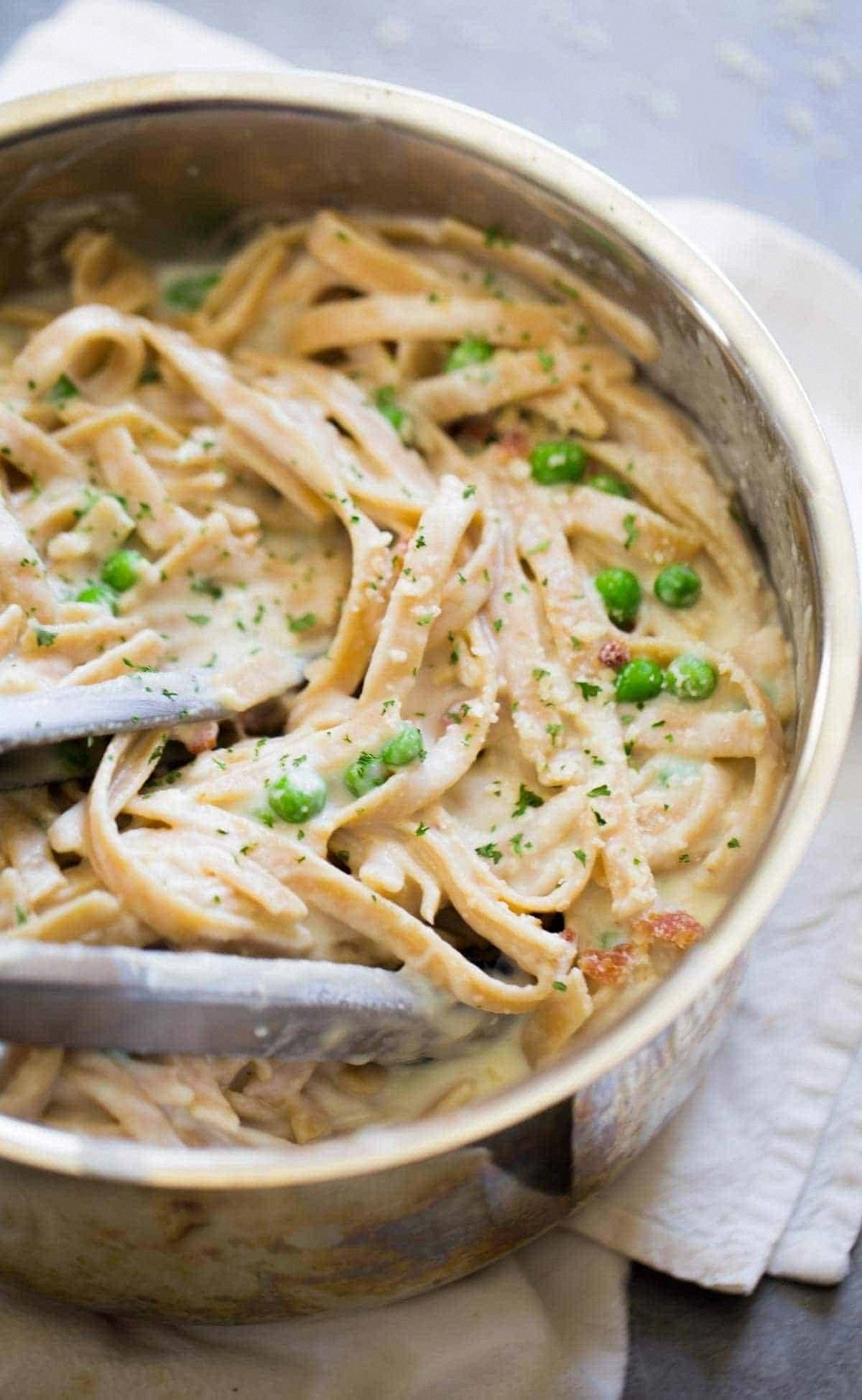
The Method — Step by Step
Start by bringing a large pot of salted water to a rolling boil. Add the whole wheat fettuccine and give it a gentle stir to prevent sticking. Cook for 8‑9 minutes, testing a strand for that perfect al dente bite – it should still have a slight resistance in the center. Once done, reserve one cup of the pasta water, then drain the noodles and set them aside. That starchy water will be the secret weapon for achieving a silk‑smooth sauce later.
While the pasta cooks, heat two tablespoons of olive oil in a wide, heavy‑bottomed skillet over medium heat. Add the minced garlic and sauté for 30 seconds, just until it turns a light golden and releases its perfume.
Kitchen Hack: If you hear a faint sizzle, you’re at the perfect temperature – too hot and the garlic will burn, too cool and it won’t bloom.Reduce the heat to low and whisk in one cup of low‑fat milk, followed by the cup of reduced‑fat cream cheese. Stir continuously; the cream cheese will melt slowly, creating a thick, velvety base. Once the mixture is smooth, pour in the cup of chicken broth, which will thin the sauce just enough to coat the pasta without becoming watery. Keep the heat low to avoid a grainy texture – patience is key here.
Now comes the cheese showdown. Sprinkle in half a cup of grated Parmesan and a half cup of nutritional yeast, stirring until everything is fully incorporated. The sauce should start to thicken and emit a subtle, buttery aroma that makes your kitchen feel like a five‑star Italian trattoria. If the sauce seems too thick, gradually add a splash of the reserved pasta water until you reach a glossy, pour‑able consistency.
Season the sauce with one teaspoon of salt, half a teaspoon of freshly ground black pepper, and, if you’re feeling daring, the optional red pepper flakes. Taste and adjust – this is where your nose knows best.
Watch Out: Adding salt too early can cause the cream cheese to seize, resulting in a lumpy sauce. Always season after the cheese has melted.Toss the cooked fettuccine directly into the skillet, using tongs to coat each strand evenly. Let the pasta sit in the sauce for a minute, allowing the starches to absorb the flavors. If the sauce starts to cling too tightly, add a little more reserved pasta water – you want that luxurious sheen that makes the pasta look like it’s been kissed by silk.
Fold in the fresh spinach and cherry tomatoes, stirring just until the spinach wilts and the tomatoes soften slightly. This step adds a burst of color and a fresh, slightly acidic contrast that balances the richness. The spinach should retain a vibrant green, not turn completely brown – that’s the visual cue that it’s perfectly cooked.
Finish with a final drizzle of olive oil and, if you love a little extra zing, a squeeze of fresh lemon juice. This brightens the whole dish, cutting through any lingering heaviness. Serve immediately, preferably with an extra sprinkle of Parmesan on top and a side of crusty whole grain bread to mop up any lingering sauce.
That's it — you did it. But hold on, I've got a few more tricks that'll take this to another level. Stay with me here — this is worth it.
Insider Tricks for Flawless Results
The Temperature Rule Nobody Follows
Never, ever crank the heat to high once the dairy is in the pan. High heat forces the proteins in milk and cheese to coagulate too quickly, resulting in a grainy, curdled sauce. Keep the flame on low to medium, allowing the sauce to gently thicken while staying smooth. I once tried to speed things up on high and ended up with a sauce that looked like a broken cheese curd – a kitchen nightmare. Trust the low‑and‑slow method; the payoff is a sauce that glides like a silk scarf.
Why Your Nose Knows Best
Your sense of smell is the ultimate flavor gauge. When the garlic hits that golden hue, you’ll notice a sweet, nutty aroma that tells you it’s ready for the dairy. If the sauce starts to smell sour or overly cooked, lower the heat immediately and stir vigorously. A friend of mine once ignored this cue, and the sauce turned bitter – a clear reminder that the nose is the first line of defense against disaster.
The 5‑Minute Rest That Changes Everything
Once you’ve combined all ingredients, remove the pan from heat and let the pasta rest for five minutes, covered loosely with foil. This pause lets the sauce thicken naturally and the flavors meld, creating a harmonious bite. Skipping this rest leaves the sauce thin and the taste a little disjointed. I swear by this step; it’s the secret behind my restaurant‑style dishes at home.
Spinach Timing – The Quick‑Flip Method
Add the spinach just before serving and give it a rapid toss. If you let it sit too long, it will over‑cook and lose its vivid green color, turning mushy. The quick‑flip ensures it stays bright, slightly wilted, and retains a pleasant bite. A culinary mishap I’ve witnessed: a fellow home‑cook left spinach in the sauce for ten minutes, resulting in a dull, soggy mess that ruined the visual appeal.
The Pasta Water Miracle
Never underestimate the power of the starchy pasta water. It acts as a natural emulsifier, binding the sauce to the noodles and preventing separation. Add it a tablespoon at a time, watching the sauce transform from thin to luxuriously thick. If you forget this step, the sauce will cling to the pan, and you’ll end up with a dry, clumpy dish. This is where the magic happens – the sauce becomes a glossy coat that clings like a second skin.
Creative Twists and Variations
This recipe is a playground. Here are some of my favorite ways to switch things up:
Lemon‑Basil Bliss
Swap the spinach for a generous handful of fresh basil leaves and add the zest of one lemon plus a tablespoon of lemon juice. The citrus brightens the sauce, while basil introduces a fragrant, slightly peppery note that feels like a Mediterranean vacation on a plate. Perfect for summer evenings when you want something light yet flavorful.
Mushroom Medley
Replace the chicken broth with a robust mushroom stock and sauté a mix of cremini, shiitake, and oyster mushrooms alongside the garlic. The earthy depth of the mushrooms pairs beautifully with the creamy sauce, turning the dish into a hearty, umami‑rich experience. Ideal for cooler months when you crave comfort without the heaviness.
Protein‑Power Boost
Add grilled chicken strips, seared shrimp, or even crispy tofu cubes during the final toss. The protein not only makes the meal more filling but also adds a satisfying bite contrast. Season the protein with a pinch of smoked paprika for an extra layer of flavor that complements the sauce’s creaminess.
Spicy Sriracha Swirl
For the heat lovers, stir in a tablespoon of sriracha or your favorite hot sauce just before serving. The peppery heat cuts through the richness, delivering a balanced kick that will make your taste buds dance. Top with a sprinkle of toasted sesame seeds for a subtle nutty finish.
Cheesy Veggie Overload
Throw in roasted cauliflower florets, sautéed zucchini ribbons, and a handful of peas. The roasted veggies add caramelized sweetness, while the peas provide a pop of sweetness that balances the sauce. This variation amps up the vegetable quotient, making the dish feel like a complete, balanced meal.
Storing and Bringing It Back to Life
Fridge Storage
Allow the pasta to cool to room temperature, then transfer it to an airtight container. It will keep nicely in the refrigerator for up to three days. When reheating, add a splash of milk or water – about two tablespoons per serving – to revive the sauce’s silkiness. Heat gently on the stovetop over low heat, stirring frequently to prevent sticking.
Freezer Friendly
For longer storage, portion the cooked pasta and sauce into freezer‑safe bags or containers. Freeze for up to two months. To reheat, thaw overnight in the fridge, then warm in a skillet with a drizzle of olive oil and a few tablespoons of broth or milk, stirring until the sauce regains its glossy sheen. The texture may be slightly softer, but the flavor remains spectacular.
Best Reheating Method
The ultimate reheating trick: place the leftover pasta in a microwave‑safe dish, cover loosely with a damp paper towel, and microwave in 30‑second bursts, stirring in between. Add a tiny splash of water or milk before each burst – this creates a gentle steam that revives the sauce without drying it out. Avoid high heat, which can cause the cheese to separate and the pasta to become gummy.