Picture this: a scorching summer afternoon, the grill is already humming like a restless bee, and you’ve just realized you left the store without the “secret sauce” that makes every backyard BBQ legendary. I was standing there, cheeks flushed, the smell of charcoal clinging to my shirt, and a sudden panic set in because the only thing on the table was a sad bottle of generic ketchup. I dared myself to improvise with whatever I could find in the pantry, and what happened next was nothing short of a culinary epiphany. That moment sparked the creation of a sauce so bold, so balanced, it could turn even the most timid chicken wing into a flavor bomb that makes taste buds do a happy dance.
The moment I first tasted this concoction, I could hear the sizzle of the sauce meeting the grill like a drumroll before a fireworks show. The aroma hit me with a wave of sweet, smoky, tangy notes that made my mouth water before the first bite even landed. I could feel the sticky, glossy texture coating the meat like a velvet curtain, and the subtle heat from the ginger and chili flakes whispered, “Hold on, we’re just getting started.” The taste? Imagine a perfect marriage between a classic Kansas City barbecue glaze and an Asian-inspired glaze, where the honey’s smooth sweetness flirts with the sharp bite of Dijon, and the soy sauce adds that deep, umami depth you never knew you needed.
Most BBQ sauce recipes out there either drown you in sugar, hide behind a ton of ketchup, or demand a smoker you don’t own. This version, however, is a game-changer because it builds its flavor foundation on tomato paste, which gives it body without the watery mess of canned tomatoes. The apple cider vinegar cuts through the richness, while smoked paprika brings that authentic charcoal kiss without the actual smoke. And here’s the kicker: a dash of fresh ginger that adds a zing you’ll swear is illegal on a grill. I’m being honest — I ate half the batch before anyone else got a chance to try it, and I’m still not sorry.
Okay, ready for the game-changer? Let me walk you through every single step — by the end, you’ll wonder how you ever made it any other way. I’ll share the exact measurements, the secret technique that locks in flavor, and the little tricks that keep the sauce from turning into a sticky nightmare. Stay with me here — this is worth it.
What Makes This Version Stand Out
- Depth: The combination of soy sauce and smoked paprika creates a multi‑layered umami foundation that feels like a slow‑cooked masterpiece, even though it only simmers for thirty minutes.
- Balance: Apple cider vinegar’s bright acidity perfectly offsets the honey and brown sugar, preventing the sauce from becoming cloyingly sweet.
- Texture: Tomato paste gives the sauce a thick, clingy body that coats ribs, chicken, or veggies without sliding off.
- Simplicity: Only ten ingredients, all pantry staples, mean you can whip this up on a weekday without a special grocery run.
- Versatility: It shines on everything from pork ribs to grilled tofu, making it a crowd‑pleaser for vegetarians and meat‑eaters alike.
- Make‑Ahead Power: The sauce actually improves after a night in the fridge as the flavors meld, so you can prep it ahead of time and relax on grill day.
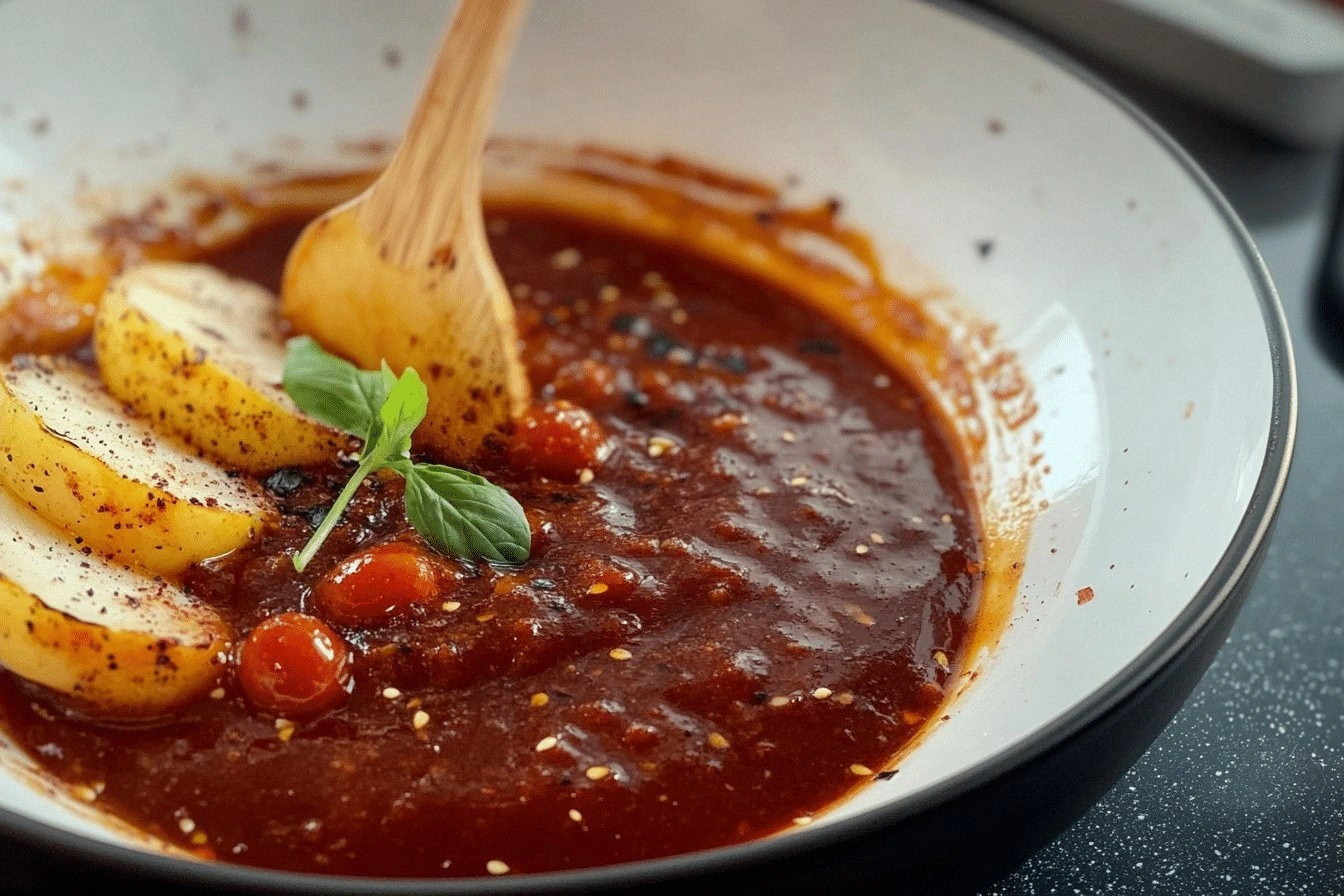
- Visual Appeal: A glossy, deep ruby hue that looks as good on the plate as it tastes, adding that Instagram‑ready finish.
- Heat Control: Chili flakes are optional, letting you dial the spice up or down without compromising the core flavor.
Inside the Ingredient List
The Flavor Base
Tomato paste: This is the heart of the sauce, providing a thick, concentrated tomato flavor that holds everything together. Skipping it would leave you with a watery, flavor‑thin mess. If you can’t find tomato paste, blend canned tomatoes and reduce them until they reach a paste‑like consistency.
Apple cider vinegar: The bright acidity cuts through the sweetness and adds a subtle fruity tang that lifts the entire profile. Using white vinegar would make the sauce too sharp, while balsamic would add unwanted sweetness. Look for a raw, unfiltered variety for the most complex flavor.
Brown sugar: Offers caramel notes that deepen the sauce’s richness. If you’re watching sugar, swap half with coconut sugar for a lower glycemic index without losing flavor.
The Texture Crew
Smoked paprika: Delivers that classic BBQ smokiness without a smoker. It also adds a gorgeous reddish hue. If you love extra heat, choose a hot smoked paprika, but regular works best for balanced flavor.
Dijon mustard: Brings a subtle sharpness that wakes up the sauce, preventing it from feeling flat. A grainy mustard would add texture you don’t want here.
Fresh ginger: The zingy, peppery bite sets this sauce apart from every other BBQ recipe you’ve tried. Grate it finely to avoid fibrous chunks. If ginger isn’t your thing, a pinch of ground ginger can work, but the fresh version is far more aromatic.
The Unexpected Star
Honey: Provides a smooth, glossy finish and balances the acidity with natural sweetness. Use raw honey for a more complex flavor; processed honey can taste bland.
Soy sauce: Adds depth, saltiness, and that essential umami punch. Choose a low‑sodium version if you’re watching salt, but don’t cut it out entirely or the sauce loses its savory backbone.
The Final Flourish
Garlic powder: Gives a warm, mellow garlic note without the risk of burning fresh garlic in the hot pan. If you love fresh garlic, add a minced clove at the very end of cooking.
Chili flakes: Optional, but they add a whisper of heat that makes the sauce linger on the palate. Adjust to taste; a pinch is enough for most palates.
Everything's prepped? Good. Let's get into the real action…
The Method — Step by Step
Start by heating a medium‑sized saucepan over medium heat. Add the tomato paste and let it toast for about two minutes, stirring constantly; you’ll hear a faint crackle and the paste will darken just a shade, releasing a deep, roasted aroma. This step is crucial because it builds the foundation of flavor that will carry through the entire sauce. If the paste starts to stick, splash in a splash of water to deglaze.
Next, whisk in the apple cider vinegar, brown sugar, and honey. The mixture will bubble up aggressively—this is the moment of truth where sweet meets acid in a harmonious fizz. Keep whisking until the sugar dissolves completely, and you’ll notice the sauce turning a glossy, amber color. That sizzle when it hits the pan? Absolute perfection.
Stir in the smoked paprika, Dijon mustard, garlic powder, and soy sauce. The sauce should now smell earthy, slightly sweet, and unmistakably smoky. Let it come to a gentle boil, then reduce the heat to low and let it simmer for ten minutes, uncovered. This gentle simmer allows the flavors to meld, and you’ll see the sauce thicken as the liquids evaporate.
Now, the ginger makes its entrance. Grate about one tablespoon of fresh ginger directly into the pan, and watch the sauce react with a quick, lively bubble. Ginger’s heat is fleeting but bright, cutting through the richness and adding a fresh, spicy kick. If you’re wary of the ginger overpowering the sauce, start with half a tablespoon and taste as you go.
After the ten‑minute simmer, taste the sauce. If you crave more heat, sprinkle in the chili flakes now and let them infuse for another two minutes. The sauce should have a balanced sweet‑smoky‑tangy profile with a subtle background heat that never overwhelms. Remember, you can always add more heat later, but you can’t take it out.
Turn off the heat and let the sauce rest for five minutes. This short rest allows the flavors to settle and the sauce to thicken a bit more. While it rests, the aroma will fill your kitchen, making you want to slather it on everything within reach.
Finally, transfer the sauce to a sterilized glass jar. If you’re planning to store it, let it cool to room temperature before sealing; this prevents condensation and keeps the texture perfect. The sauce can be used immediately, but for the ultimate depth, refrigerate it overnight. That waiting period is the secret weapon that turns a good sauce into a legendary one.
That's it — you did it. But hold on, I've got a few more tricks that'll take this to another level…
Insider Tricks for Flawless Results
The Temperature Rule Nobody Follows
Never add the sauce to a grill that’s hotter than 350°F (175°C). A lower temperature lets the sugars caramelize slowly without burning, giving you that glossy, sticky finish. I once tried slathering it on a searing hot grill and ended up with a bitter crust that no one wanted.
Why Your Nose Knows Best
Smell is your secret indicator of doneness. When the sauce starts to emit a sweet, smoky perfume and the edges begin to pull away from the pan, you’re at the perfect simmer point. Trust that nose over a timer; it’s a skill that separates the amateurs from the sauce masters.
The 5‑Minute Rest That Changes Everything
After simmering, let the sauce sit uncovered for exactly five minutes. This short cooling period lets excess moisture evaporate, concentrating flavor and improving texture. Skipping this rest will leave you with a thinner glaze that slides off the meat.
Layering Sweetness Without Overpowering
If you find the sauce a tad too sweet after tasting, balance it with an extra splash of apple cider vinegar or a pinch of sea salt. The acidity will cut through the sugar, while salt amplifies the other flavors without making the sauce salty.
Storing Like a Pro
When you store the sauce, always use a sterilized glass jar with a tight‑fitting lid. This prevents oxidation, which can dull the bright notes. A quick tip: add a thin slice of lemon peel to the jar before sealing; it helps preserve the sauce’s fresh tang for weeks.
Creative Twists and Variations
This recipe is a playground. Here are some of my favorite ways to switch things up:
Maple‑Smoked Fusion
Replace half the honey with pure maple syrup and add a teaspoon of liquid smoke. The result is a deeper, autumnal glaze that pairs beautifully with pork ribs.
Spicy Asian Kick
Swap the smoked paprika for Korean gochujang and increase the ginger to two tablespoons. This creates a fiery, umami‑rich sauce perfect for grilled tofu or chicken thighs.
Herb‑Infused Delight
Stir in a tablespoon of finely chopped fresh rosemary and a pinch of thyme during the final simmer. The herbs add an earthy aroma that elevates grilled vegetables.
Caramelized Onion Version
Before adding the tomato paste, sauté one finely diced onion until caramelized, then proceed with the recipe. The sweet onion notes blend seamlessly with the brown sugar for a richer profile.
Low‑Sugar Light
Cut the brown sugar in half and replace the honey with a sugar‑free agave syrup. The sauce stays sweet enough to glaze but drops the calorie count dramatically.
Smoky Chipotle Blast
Swap the smoked paprika for chipotle powder and add a teaspoon of adobo sauce from a canned chipotle pepper. This gives a smoky heat that’s perfect for beef brisket.
Storing and Bringing It Back to Life
Fridge Storage
Transfer the cooled sauce to a clean glass jar, seal tightly, and refrigerate. It will keep for up to two weeks. For best flavor, give it a gentle shake before each use.
Freezer Friendly
Portion the sauce into ice‑cube trays or small freezer‑safe bags. Once frozen, transfer to a zip‑top bag for up to three months. Thaw in the refrigerator overnight before reheating.
Best Reheating Method
Reheat gently over low heat, adding a splash (about a tablespoon) of water or extra apple cider vinegar to revive the glossy texture. Stir continuously to avoid scorching, and once it’s steaming, it’s ready to slather.