Okay, picture this: I was halfway through a Netflix binge, the clock struck midnight, and a sudden craving for something sizzling, smoky, and unapologetically bold hit me like a plot twist. I raided the fridge, found a sad bundle of bell peppers, a lonely block of tofu, and a jar of chipotle adobo that had been gathering dust for weeks. I tried to cobble together a quick stir‑fry, but the veggies ended up limp, the tofu turned rubbery, and the chipotle flavor was about as subtle as a fireworks display in a library. That disaster was the spark that ignited my quest for the ultimate sheet‑pan fajita – a dish that would combine the caramelized crunch of roasted vegetables with a silky, smoky queso that could make even the most die‑hard meat lover weep with joy.
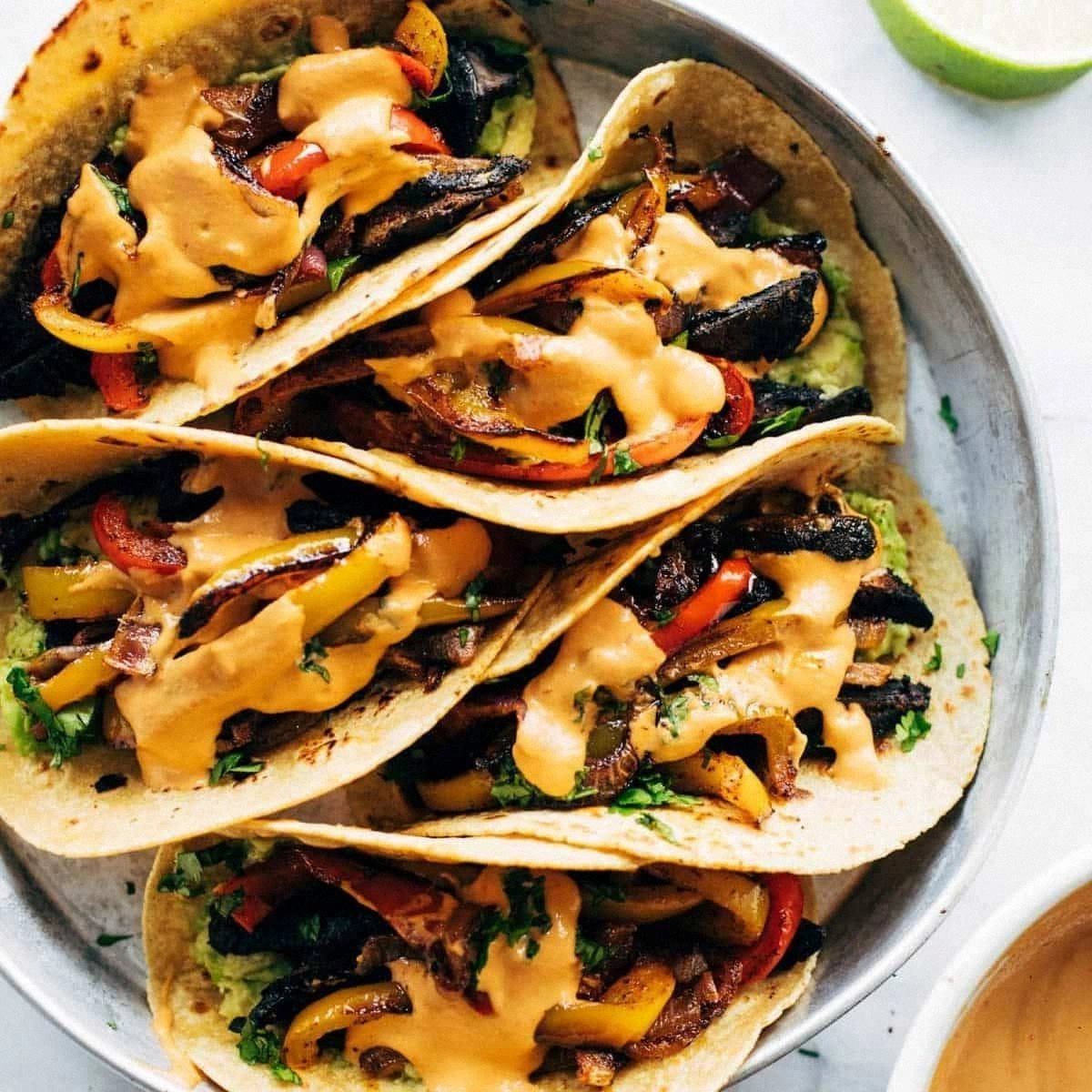
Fast forward a few frantic evenings of trial and error, and I finally nailed a version that feels like a fiesta in every bite. Imagine the sweet char of red and yellow peppers, the earthy depth of mushrooms, and the satisfying bite of tofu all coated in a chipotle cashew sauce that clings to each piece like a velvety cloak. The sauce is brightened with lime and cilantro, giving it a fresh pop that cuts through the richness, while the warm corn tortillas act as the perfect, slightly chewy canvas. This isn’t just a dinner; it’s a performance, complete with a sizzle that announces its arrival and a aroma that makes your whole apartment feel like a street‑side taquería.
What truly sets this recipe apart from the sea of “sheet‑pan fajita” posts out there is the secret weapon: a homemade chipotle cashew queso that replaces dairy without sacrificing that creamy, melt‑in‑your‑mouth texture. Most recipes either skip the sauce entirely or drown everything in store‑bought guac that never quite hits the mark. I dare you to taste this and not go back for seconds – the combination of smoky chipotle, nutty cashews, and a hint of nutritional yeast creates a depth of flavor that’s literally hands down the best version you’ll ever make at home.
But wait, there’s more. I’m about to reveal a technique that most cooks completely overlook: giving the vegetables a quick toss in a high‑heat oil before they hit the oven, which creates those coveted caramelized edges that shatter like thin ice when you bite into them. This simple step, paired with a strategic layout on the pan to avoid crowding, transforms ordinary veggies into star performers. Let me walk you through every single step — by the end, you’ll wonder how you ever made it any other way.
What Makes This Version Stand Out
- Flavor Explosion: The chipotle cashew queso brings smoky heat and creamy richness that outclasses any store‑bought alternative. Each bite delivers a balanced punch of spice, citrus, and nutty depth.
- Texture Harmony: Roasted peppers and onions develop caramelized, slightly crispy edges, while tofu stays tender and mushrooms stay juicy, creating a symphony of mouthfeel.
- Simplicity Meets Sophistication: All ingredients are prepped on a single sheet pan, meaning minimal cleanup and maximum flavor concentration without any fancy equipment.
- Unique Ingredient Pairing: Cashews aren’t just for desserts; they become the silky base for a vegan queso that rivals dairy‑laden versions in both taste and texture.
- Crowd‑Pleaser Factor: Even the most skeptical meat‑eaters have confessed they’d swap their steak for these fajitas, making it a guaranteed hit at any gathering.
- Ingredient Quality: Fresh, colorful bell peppers and a good quality chipotle in adobo elevate the dish from everyday to extraordinary.
- One‑Pan Efficiency: By roasting everything together, the natural juices mingle, creating a self‑basting effect that intensifies flavor without extra steps.
- Make‑Ahead Magic: The sauce can be pre‑made and stored, and the roasted veggies reheat beautifully, making this a perfect make‑ahead meal for busy weeks.
Alright, let's break down exactly what goes into this masterpiece...
Inside the Ingredient List
The Flavor Base
Bell peppers are the heart of any fajita, offering a natural sweetness that caramelizes beautifully under high heat. I use a mix of red and yellow peppers because their colors not only make the dish pop visually, but they also bring slightly different flavor notes – red is sweeter, yellow adds a subtle fruitiness. Slicing them into thick strips ensures they stay juicy inside while the edges crisp up. If you ever skip the lime juice here, you’ll miss the bright acidity that balances the smoky chipotle later on, and the dish can feel a bit flat.
Onions, preferably a sweet white variety, add a foundational savory note and, when roasted, develop a natural sweetness that pairs perfectly with the peppers. I mince three cloves of garlic and toss them in with the olive oil; the garlic infuses the oil, creating an aromatic base that clings to every vegetable. Ground cumin and smoked paprika are the dynamic duo that bring earthiness and depth – cumin offers a warm, slightly bitter edge, while smoked paprika adds that essential smoky whisper without overwhelming the palate. A pinch of chipotle chili powder or a minced chipotle pepper in adobo is the secret weapon that injects a lingering heat and smoky complexity.
The Texture Crew
Mushrooms, especially cremini or button, introduce an umami richness that mimics the meaty bite many missing from a vegan fajita. When sliced and roasted, they become tender with a slight caramelized crust that adds a delightful chew. Zucchini contributes a subtle crunch and a fresh, slightly sweet note; its moisture helps keep the pan from drying out, but be sure to slice it into half‑moons so it cooks evenly. For protein, I like using firm tofu – pressed, cubed, and tossed in the same spice blend, it turns golden and crispy on the outside while staying soft inside, delivering that satisfying bite.
If you’re not a tofu fan, swap it for tempeh or even sliced portobello mushrooms for an even earthier flavor. Corn kernels add a pop of sweetness and a little burst of texture, especially when they get a quick char on the pan. Skipping any of these components would make the dish feel one‑dimensional; the balance of soft, crisp, and chewy is what keeps each bite exciting.
The Unexpected Star
Cashews are the unsung heroes of vegan cooking, and here they become the creamy backbone of our chipotle queso. Soaking them for at least four hours (or boiling for 15 minutes if you’re short on time) softens them enough to blend into a silky sauce that rivals dairy cheese. Nutritional yeast adds a cheesy, nutty flavor while also boosting the protein content, making the sauce feel indulgent yet wholesome. Plant‑based milk – I prefer unsweetened oat or almond – thins the blend just enough for a pourable consistency without diluting the flavor.
The chipotle pepper in adobo, minced finely, provides that signature smoky heat, while a squeeze of fresh lime juice at the end lifts the sauce, preventing it from feeling heavy. A dash of smoked paprika in the sauce reinforces the smoky profile, ensuring every spoonful sings with depth. If you omit the cashews, you’ll lose the luxurious mouthfeel, and the sauce will turn watery; the cashews are truly the magic that makes this dish unforgettable.
The Final Flourish
Fresh cilantro, chopped just before serving, adds a bright, herbaceous note that cuts through the richness of the queso and the earthiness of the roasted veggies. Avocado slices bring buttery smoothness that complements the heat, while lime wedges on the side let each diner add a personal burst of citrus. Warm corn tortillas, lightly toasted on a dry skillet, provide the perfect pliable vessel that holds all the fillings without tearing. A sprinkle of sea salt on the finished fajita amplifies every flavor, and a drizzle of extra chipotle sauce (if you like it extra spicy) can be added to taste.
If you’re feeling adventurous, top with a quick homemade salsa or pickled red onions for an acidic punch. Skipping the cilantro would make the dish feel flat, and ignoring the avocado would remove that luxurious contrast to the smoky heat. Each of these final touches is essential for a balanced, restaurant‑quality plate.
Everything's prepped? Good. Let's get into the real action...
The Method — Step by Step
Preheat your oven to 425°F (220°C) and line a large rimmed baking sheet with parchment. This temperature is crucial; it’s hot enough to give the veggies that coveted char without steaming them. While the oven warms, gather all your sliced peppers, onions, mushrooms, zucchini, and tofu on a large bowl. This is the moment of truth – the aromas should already be teasing your nostrils, promising a flavor explosion.
In a small bowl, whisk together 1 tbsp olive oil, 1 tsp ground cumin, 1 tsp smoked paprika, 1 tsp chipotle chili powder (or the minced chipotle pepper), the juice of one lime, and a generous pinch of sea salt and black pepper. Drizzle this seasoned oil over the vegetable and tofu mixture, then toss vigorously until every piece is evenly coated. The oil acts as a flavor carrier, ensuring each bite gets a hit of spice and acidity.
Spread the seasoned veggies and tofu in a single layer on the prepared sheet pan, making sure there’s a little breathing room between pieces. Overcrowding leads to steaming rather than roasting, which kills the caramelization we’re after.
Watch Out: If the pan is too crowded, the vegetables will release moisture and end up soggy – use two pans if necessary.Slide the pan into the oven and roast for 20 minutes, then give everything a quick flip with a spatula to promote even browning. You’ll hear a faint sizzle, a sound that tells you the sugars are caramelizing – that’s the golden ticket. After the flip, roast for another 10‑12 minutes until the edges of the peppers are slightly charred and the tofu has turned a deep golden brown.
While the veggies are roasting, start the chipotle cashew queso. Drain the soaked cashews and place them in a high‑speed blender with 1/4 cup nutritional yeast, 1/2 cup unsweetened plant‑based milk, the minced chipotle pepper, a squeeze of lime, and a pinch of salt. Blend on high until the mixture is silky smooth, scraping down the sides as needed.
Transfer the sauce to a small saucepan, warm over low heat, and stir constantly until it thickens slightly – about 3‑4 minutes. It should coat the back of a spoon, glossy and inviting.Kitchen Hack: Add a tablespoon of olive oil to the blend for extra glossy sheen and richer mouthfeel.When the veggies are done, remove the pan and let them rest for 2 minutes. Meanwhile, lightly toast the corn tortillas on a dry skillet over medium‑high heat for 30 seconds per side, just until they develop tiny brown spots. This quick toast gives the tortillas a subtle chew and prevents them from tearing when you fold them around the fillings.
Kitchen Hack: Keep the tortillas stacked under a clean kitchen towel while you finish the rest of the prep; the steam will keep them pliable.Now it’s assembly time. Lay a warm tortilla on a plate, spoon a generous mound of roasted veggies and tofu onto the center, drizzle with the chipotle cashew queso, and finish with fresh cilantro, avocado slices, and a squeeze of lime. The sauce should melt slightly over the hot veggies, creating a glossy, smoky veil that clings to every bite. Taste first, then add extra salt or lime if needed – trust your palate.
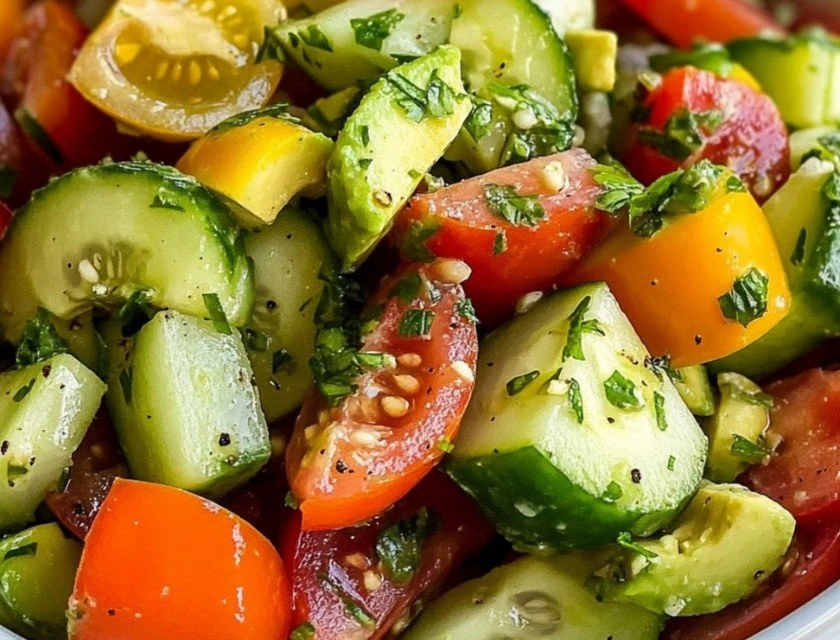
Serve the fajitas immediately, accompanied by extra lime wedges, a side of pico de gallo, or a simple cucumber‑mint salad if you like. The kitchen will be filled with the intoxicating scent of smoked peppers and chipotle, making everyone wonder how you conjured such magic from a single sheet pan. And that, my friend, is the final curtain – a plate that’s as vibrant as a sunrise and as comforting as a hug.
That's it — you did it. But hold on, I've got a few more tricks that'll take this to another level...
Insider Tricks for Flawless Results
The Temperature Rule Nobody Follows
Most home cooks set the oven to a moderate 375°F and wonder why their veggies turn out limp. The secret is a hot 425°F (or even 450°F if your oven tolerates it) which creates that rapid caramelization we crave. The high heat triggers the Maillard reaction, giving you those charred edges that taste like sweet, smoky fireworks. If you’re using a convection oven, you can drop the temp by 25°F but keep the same crisping effect.
Why Your Nose Knows Best
Before you even taste the fajitas, trust the scent. When the peppers start to smell sweet and the chipotle cheese releases a smoky aroma, you know you’re on the right track. If the kitchen smells like raw vegetables after 10 minutes, turn up the heat or spread the pieces out more. Your nose is an underrated cooking tool that can prevent a batch of soggy disappointment.
The 5‑Minute Rest That Changes Everything
After roasting, let the veggies sit for about five minutes before assembling. This short rest allows the juices to redistribute, preventing them from spilling onto the tortilla and making it soggy. It also lets the residual heat finish cooking any lingering raw edges, ensuring perfect tenderness. Skipping this step is a common mistake that leads to a soggy, less flavorful final product.
Cashew Soak Shortcut
If you’re short on time, you can boil the cashews for 10 minutes instead of soaking them for hours. This rapid method still yields a smooth, creamy sauce, but be careful not to over‑cook – you want them just soft enough to blend, not mushy. Adding a pinch of baking soda during the boil can also help break down the nuts faster, but use it sparingly.
Seasoning Layers, Not One
Season each component at different stages: the raw veggies get a base spice blend, the tofu gets a light drizzle of soy sauce for umami, and the final assembled fajita gets a sprinkle of flaky sea salt. This layering builds depth, ensuring every bite hits multiple flavor notes. If you only season once, the dish can taste flat in the middle.
Creative Twists and Variations
This recipe is a playground. Here are some of my favorite ways to switch things up:
Mango‑Chipotle Salsa Splash
Dice fresh mango, red onion, jalapeño, and cilantro, then toss with lime juice and a pinch of salt. The sweet‑spicy salsa adds a tropical brightness that balances the smoky heat, turning each bite into a mini vacation. Great for summer barbecues or when you want a pop of color.
Black Bean & Sweet Potato Boost
Add cubed sweet potatoes and a can of drained black beans to the pan. The sweet potatoes caramelize alongside the peppers, offering a comforting earthiness, while black beans add protein and a creamy texture. This variation makes the dish heartier, perfect for cooler evenings.
Smoky Tempeh Crunch
Swap tofu for tempeh, sliced thin, and marinate it in soy sauce, smoked paprika, and a splash of apple cider vinegar before roasting. Tempeh’s nutty flavor and firm bite give the fajitas an extra crunch that some people find more satisfying than tofu.
Green Goddess Wrap
Replace corn tortillas with large lettuce leaves or collard greens for a low‑carb, fresh wrap. The crisp lettuce adds a refreshing contrast to the warm, smoky fillings, making it ideal for a light lunch or a paleo‑friendly option.
Cheesy Vegan Quesadilla Fusion
Take the roasted veggies and chipotle queso, sandwich between two tortillas, and pan‑fry until golden and crispy. The melted cashew cheese pulls everything together, creating a gooey, indulgent quesadilla that’s perfect for brunch or a snack attack.
Storing and Bringing It Back to Life
Fridge Storage
Transfer any leftovers into an airtight container and store in the refrigerator for up to four days. Keep the sauce in a separate small jar to prevent the veggies from getting soggy. When reheating, use a skillet over medium heat, adding a splash of water to revive the moisture and prevent drying out.
Freezer Friendly
Portion the roasted vegetables and tofu into freezer‑safe bags, removing as much air as possible, and freeze for up to three months. The chipotle cashew queso also freezes well; store it in a small silicone pouch. To reheat, thaw overnight in the fridge, then toss everything on a hot sheet pan for 8‑10 minutes to regain that crisp edge.
Best Reheating Method
For the ultimate texture, reheat the veggies in a preheated oven at 375°F for about 10 minutes, or quickly in a hot skillet with a drizzle of oil. Add a tiny splash (about a tablespoon) of water or vegetable broth before reheating; the steam will bring the vegetables back to life without losing their caramelized crunch. Avoid microwaving if you can – it makes the veggies soggy and the sauce rubbery.