Picture this: I’m standing in a cramped kitchen, the smell of soy sauce already thick in the air, and the faint hiss of a pan on the stove. The previous night, I tried a generic teriyaki dish that tasted like a bland, over‑cooked movie—nothing that lingered on my tongue. I stared at the blandness, swore I’d never settle for that again, and set out to create a dish that sings with umami, texture, and that glossy, caramelized sheen that makes every bite a mini celebration.
From the moment I sliced the eggplant into thick, even rounds, a symphony of aromas began to dance: the earthy scent of fresh mushrooms, the sharp sting of minced garlic, and that sweet, slightly bitter aroma of mirin. The pan crackled, sending little sparks like fireflies into the air, and the eggplant began to sizzle, its surface turning a deep, caramelized brown. I could almost hear the crunch of the mushroom caps as they browned, each one releasing a subtle, nutty perfume that mingled with the soy‑ginger broth. The kitchen filled with a heady, savory perfume that made the whole house feel like a Japanese restaurant, and I knew I was onto something special.
What makes this version of Teriyaki Eggplant and Mushroom stand out is not just the combination of ingredients, but the way each component is treated to bring out its best. I dared to use a splash of honey instead of the usual sugar, giving the glaze a subtle, almost floral sweetness that cuts through the saltiness of soy sauce. I layered the flavors with a quick sear, then finished them off in a broth that’s thickened just enough to coat the vegetables like velvet. The result? A dish that balances sweet, salty, and umami in a single bite, with a texture that ranges from tender eggplant to crisp mushroom caps.
Let me walk you through every single step—by the end, you’ll wonder how you ever made it any other way. I promise you, this recipe is hands down the best version you’ll ever make at home, and I’ll even throw in a few micro‑challenges that will have you reaching for seconds before you even finish the first spoonful. If you’ve ever struggled to get the perfect teriyaki glaze, you’re not alone—this is the fix you’ve been missing.
What Makes This Version Stand Out
- Flavor Depth: A balanced blend of soy, mirin, honey, garlic, and ginger that layers sweetness and umami, creating a glaze that clings to every surface.
- Texture Play: The eggplant remains tender yet slightly chewy, while the mushrooms develop a crisp exterior and a juicy interior.
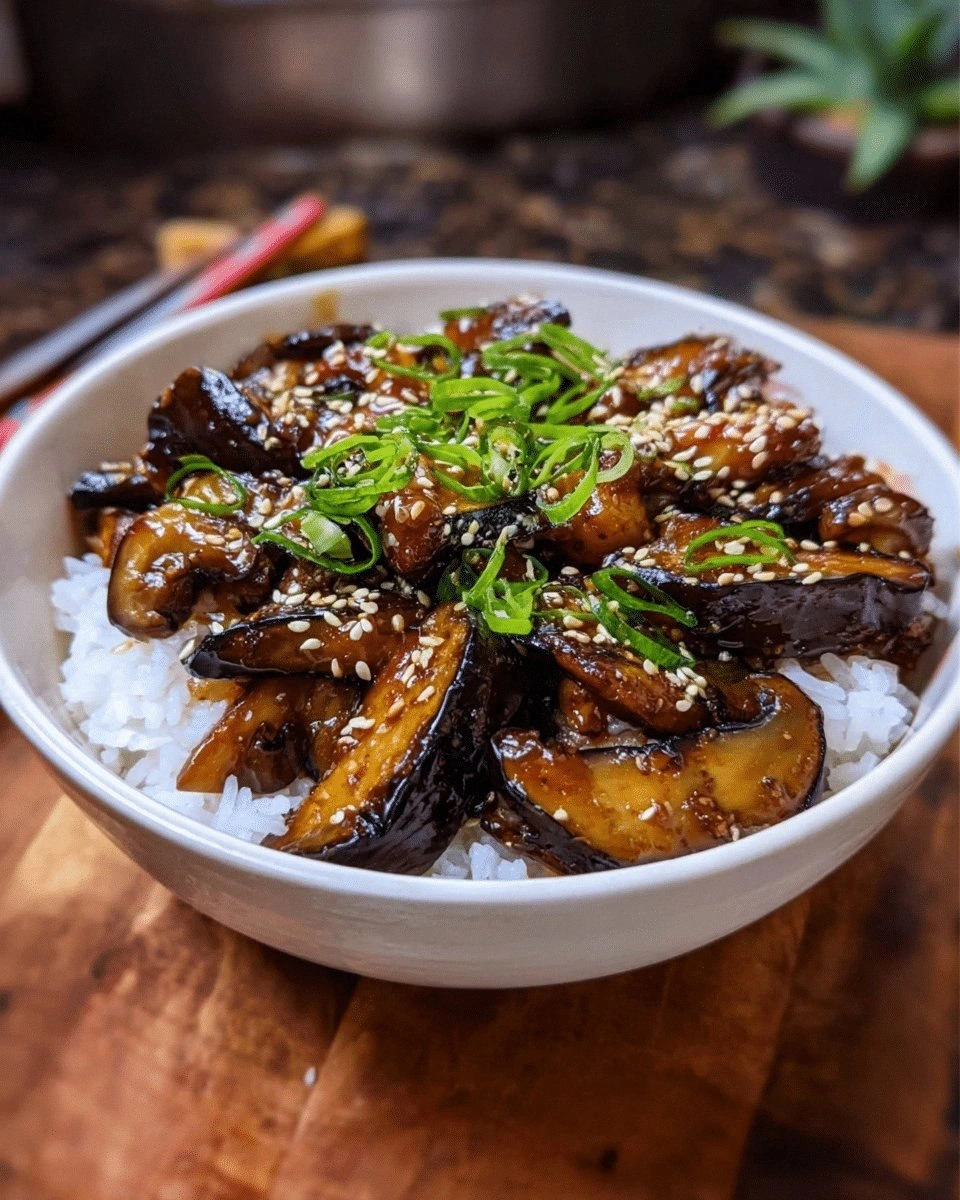
- Visual Appeal: The glossy sauce gives the dish a lacquered finish, making it as beautiful to look at as it is to eat.
- Time Efficiency: A quick sear followed by a simmer means you’re ready to eat in under 45 minutes—perfect for busy weeknights.
- Versatility: Works as a main when served over rice or as a side with noodles, and the recipe scales easily for larger crowds.
- Make‑Ahead Friendly: The flavors deepen overnight, making this dish even more delicious the next day.
Alright, let’s break down exactly what goes into this masterpiece…
Inside the Ingredient List
Flavor Base
At the heart of this dish lies the teriyaki sauce—a harmonious blend of soy sauce, mirin, and honey that coats each vegetable in a glossy, caramelized glaze. The soy sauce provides the salty backbone, while mirin adds a touch of sweetness and acidity that brightens the overall flavor profile. Honey, a subtle alternative to sugar, brings a floral sweetness that pairs beautifully with the earthy tones of eggplant and mushrooms. If you’re watching your sugar intake, you can reduce the honey by a tablespoon; the dish will still be delicious, though slightly less sweet.
Choosing the right soy sauce is crucial. Opt for a low‑sodium variety if you prefer to control the saltiness, but keep in mind that the sauce’s thickness depends on the balance between salt and sweetness. A richer, darker soy sauce will lend deeper color and a slightly more robust flavor, while a lighter soy sauce keeps the glaze bright and sweet. Either way, the sauce should be smooth, free of lumps, and ready to coat.
The Texture Crew
Eggplant is the star of the show. Its porous flesh absorbs the sauce, turning each slice into a tender, slightly sweet bite that feels almost like a soft, savory sponge. For best results, choose medium‑sized eggplants that are firm to the touch but not overly hard. Slice them into even ½‑inch rounds to ensure they cook uniformly and prevent any one piece from becoming mushy.
Mushrooms, especially shiitake, bring a meaty texture and a deep umami flavor that balances the eggplant’s earthiness. Slice them into thick wedges so they hold their shape during the searing process, allowing the outer surface to caramelize while the interior stays juicy. If you’re a fan of a more pronounced mushroom flavor, you can add a handful of button mushrooms for a milder, sweeter bite.
The Unexpected Star
Fresh ginger and garlic are the unsung heroes that give the dish its aromatic kick. The ginger adds a bright, slightly peppery heat that cuts through the richness of the sauce, while the garlic offers a sweet, mellow undertone. Mince the garlic finely to distribute its flavor evenly, and grate the ginger to release its essential oils, ensuring every bite is infused with fragrance.
Sesame oil adds a nutty finish that enhances the overall depth of flavor. A teaspoon is enough to give the dish a subtle aroma without overpowering the other ingredients. If you’re looking for a lighter version, substitute with a neutral oil like canola or grapeseed, but keep in mind you’ll lose that distinctive sesame aroma.
The Final Flourish
Scallions and toasted sesame seeds provide a fresh, crunchy contrast that lifts the dish. Thinly sliced scallions add a mild, oniony brightness that balances the savory sauce, while toasted sesame seeds contribute a nutty crunch and a hint of toasty flavor. Sprinkle them over the finished dish for an elegant finish that’s as pleasing to the eye as it is to the palate.
Rice is the perfect companion for this dish, absorbing the flavorful sauce and providing a neutral base that lets the vegetables shine. Cook jasmine rice for its fragrant, slightly floral aroma, or use brown rice for a nuttier texture. The rice should be fluffy and not sticky, allowing the sauce to cling to each grain.
Everything's prepped? Good. Let's get into the real action…
The Method — Step by Step
- Heat a large non‑stick skillet over medium‑high heat and drizzle in 1 tablespoon of sesame oil. Once the oil shimmers, lay the eggplant slices in a single layer, ensuring they don’t overlap. Let them sear untouched for about 3 minutes; you should see the edges darken and the surface start to blister. Flip the slices and sear the other side for 2–3 minutes until a golden crust forms. This step locks in moisture and creates a caramelized exterior that’s both fragrant and visually stunning.
- Remove the seared eggplant from the skillet and set aside on a paper towel to drain any excess oil. The moment the eggplant is ready, the pan will emit a delightful sizzle that signals you’re about to start the sauce. This aroma alone is a preview of the savory journey ahead.
- In the same skillet, add 2 tablespoons of vegetable oil and a splash of water to prevent sticking. Toss in the sliced shiitake mushrooms, spreading them out so each piece gets a chance to brown. Cook for 4–5 minutes, stirring occasionally, until the mushrooms release their juices and the edges start to crisp. The mushrooms should be golden brown and slightly caramelized, offering a chewy texture that contrasts the soft eggplant.
- Add the minced garlic and grated ginger to the mushrooms, and sauté for an additional 30 seconds until the raw aroma fades and a fragrant steam rises. Be careful not to burn the garlic; a quick stir keeps it from turning bitter. This aromatics step is the foundation of the sauce’s complexity.
- Pour in ¼ cup of soy sauce, 2 tablespoons of mirin, and 1 tablespoon of honey. Stir well to combine, scraping the bottom of the pan to lift any browned bits that have stuck. These bits are flavor gold, and incorporating them ensures a richer taste. Allow the mixture to come to a gentle simmer.
- Reduce the heat to medium and let the sauce thicken slightly for about 2 minutes. The sauce should coat the back of a spoon and have a glossy sheen. If it’s too thin, let it simmer a bit longer; if it’s too thick, add a splash of water to reach the desired consistency.
- Return the seared eggplant slices to the pan, nestling them among the mushrooms. Spoon the sauce over each slice, ensuring every piece is coated. Let the mixture simmer for an additional 3–4 minutes, allowing the flavors to meld and the vegetables to absorb the glaze. The eggplant should be tender, with a subtle sweetness from the honey.
- While the veggies finish cooking, heat a separate saucepan to bring 1 cup of jasmine rice to a boil. Reduce the heat to low, cover, and let the rice simmer for 15 minutes, or until fluffy and tender. A perfectly cooked rice base will soak up the sauce and provide a comforting contrast.
- Plate the rice in a shallow bowl, then arrange the glazed eggplant and mushrooms on top. Sprinkle sliced scallions and toasted sesame seeds over the dish for a burst of color and crunch. Finish with a drizzle of the remaining sauce, if desired, to add an extra layer of shine.
- Serve immediately, letting the steam waft up and mingle with the aroma of sesame and soy. Pair with a chilled glass of green tea or a light sake for a complete Japanese-inspired experience. The dish should feel like a warm hug, comforting yet sophisticated.
That's it — you did it. But hold on, I've got a few more tricks that'll take this to another level…
Insider Tricks for Flawless Results
The Temperature Rule Nobody Follows
Many cooks keep the stove too low, hoping to avoid burning the sauce, but this results in a watery glaze that never quite coats the vegetables. The secret is to maintain a medium‑high heat during the sear and then drop to medium for the simmer. This temperature swing ensures the sugars in the honey caramelize just enough to create that glossy sheen without turning into burnt caramel.
Why Your Nose Knows Best
Trust your nose when the sauce starts to bubble. A slight foaming indicates the sugars are caramelizing. If the sauce is still flat, give it an extra minute on the heat. The aroma is your best judge; a sweet, nutty scent means the glaze is ready to coat.
The 5-Minute Rest That Changes Everything
After removing the dish from the heat, let it rest for five minutes before serving. This rest allows the sauce to thicken slightly and the flavors to settle, giving each bite a richer, more cohesive taste. It also prevents the vegetables from steaming in their own moisture, preserving the crisp edges.
Use Fresh Eggplants for Best Results
Fresh eggplants are less likely to become mushy because they contain less moisture than older ones. Look for firm, glossy skins and a weight that feels substantial for its size. If you’re buying from a farmer’s market, ask for eggplants with a slightly reddish hue; this indicates freshness.
Keep the Pan Clean
A clean pan is essential for a good sear. Residual bits from previous cooking can cause sticking or uneven browning. After each step, wipe the pan with a paper towel before adding the next ingredient, especially before searing the mushrooms.
Adjust the Sweetness to Taste
If you prefer a less sweet glaze, reduce the honey by half and increase the soy sauce slightly. Conversely, if you love a sweeter sauce, add an extra tablespoon of honey. The key is to balance the sweet and salty so the glaze doesn’t overpower the natural flavors of the eggplant and mushrooms.
Creative Twists and Variations
Spicy Sriracha Kick
Add ½ teaspoon of sriracha or a splash of hot sauce to the glaze for a fiery edge. The heat cuts through the sweetness, creating a dynamic flavor profile that’s perfect for adventurous palates. Pair with a cooling cucumber salad to balance the spice.
Vegan Coconut Cream
Replace the honey with a tablespoon of coconut sugar and stir in ¼ cup of coconut milk at the end. The result is a creamy, tropical version that feels indulgent while staying plant‑based. The coconut’s subtle sweetness complements the soy sauce and mushrooms.
Gluten‑Free Teriyaki
Use tamari instead of regular soy sauce for a gluten‑free version. The flavor remains rich and savory, and the glaze will still coat the veggies beautifully. This variation is ideal for those with dietary restrictions.
Herb‑Infused Variation
Stir in a handful of fresh basil or mint leaves at the end of cooking. The herbs add a burst of freshness that lifts the dish, making it feel lighter and more vibrant. This is especially refreshing during the summer months.
Protein‑Packed Upgrade
Serve the dish over a bed of quinoa instead of rice for added protein and a nutty flavor. Alternatively, top the bowl with grilled tofu or tempeh for a hearty, satisfying meal that’s still light and flavorful.
Breakfast‑Inspired Twist
Use a fried egg as a topping, letting the yolk run into the teriyaki glaze. The richness of the egg complements the savory sauce, creating a comforting breakfast bowl that feels like a late‑night snack.
Storing and Bringing It Back to Life
Fridge Storage
Cool the dish completely before transferring it to an airtight container. Store in the refrigerator for up to 3 days. The glaze will thicken slightly, so when reheating, add a splash of water or broth to loosen it back to its original consistency.
Freezer Friendly
For longer storage, portion the dish into freezer‑safe containers and freeze for up to 2 months. When ready to eat, thaw overnight in the fridge or use a microwave on low power. Reheat gently on the stovetop, stirring frequently to prevent the sauce from separating.
Best Reheating Method
Reheat in a skillet over low heat, adding a tablespoon of water or broth to keep the sauce from drying out. Stir constantly until the dish is heated through and the glaze is silky. Avoid microwaving directly, as it can make the sauce watery and the vegetables rubbery.