It started with a kitchen catastrophe that still haunts me whenever I think about the smell of burnt curry. I had been trying to recreate a dish from a street vendor that I’d tasted on a rainy evening in Mumbai, and the result was a bubbling pot that looked like a disaster zone. The sweet potato cubes were charred, the lentils had turned to mush, and the spices were clinging to the pot like stubborn fingerprints. I stared at the mess, felt a pang of disappointment, and decided to rewrite the recipe from scratch, turning the chaos into a masterpiece. This is the moment when a culinary revelation hits you: the perfect balance of sweetness, spice, and cream can transform a kitchen disaster into a comforting hug in a bowl. I dare you to taste this and not go back for seconds.
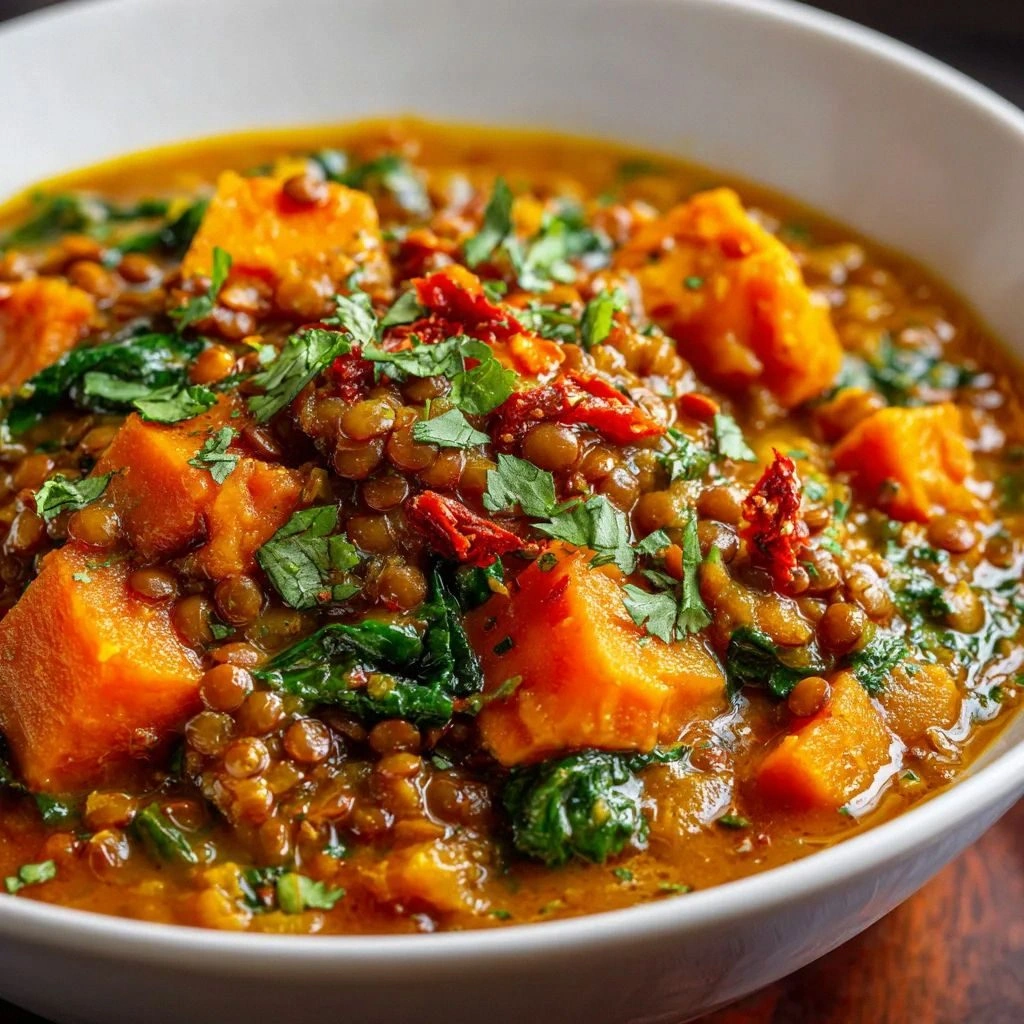
Picture yourself pulling this out of the pot, the whole kitchen smelling incredible, and the steam rising like a warm, fragrant cloud. The first thing you’ll notice is the glossy, golden hue that glistens like a polished coin. The aroma is a heady mix of sweet potato, earthy lentils, and the unmistakable warmth of turmeric and ginger. When you take a spoonful, the curry coats your tongue with a velvety richness, and the sweet potatoes soften into a silky texture that feels almost like dessert. The lentils, meanwhile, provide a gentle bite that keeps the dish from feeling too heavy. If you’ve ever struggled to get a curry that’s both filling and fragrant, you’re not alone — and I’ve got the fix.
Most recipes get this completely wrong. They either overcook the lentils, underseason the base, or forget that coconut milk is the secret to a silky finish. I discovered that the key lies in the layering of flavors: first, build a savory base with onions, garlic, and ginger; then, add the spices early enough to toast them but not burn; finally, fold in the sweet potatoes and lentils just before the broth and coconut milk hit the pot. The result is a sauce that coats the pasta like velvet and a dish that feels like a hug from the inside out. I’ll be honest — I ate half the batch before anyone else got to try it. But that’s the proof that it’s hands down the best version you’ll ever make at home.
This version stands out because it’s not just a recipe; it’s a story, a memory, and a little piece of culinary science all wrapped into one. The sweet potato isn’t just a side; it’s the heart, bringing natural sweetness that balances the earthy lentils. The red lentils break down beautifully, creating a lovely, thick consistency that’s both comforting and hearty. Coconut milk isn’t just a garnish; it’s the creamy backbone that keeps the curry from drying out. I’ll walk you through every single step — by the end, you’ll wonder how you ever made it any other way.
What Makes This Version Stand Out
- Flavor: The combination of sweet potatoes and lentils creates a depth that is both sweet and savory, with a subtle earthiness that is amplified by the warm spices.
- Texture: The lentils break down into a silky base that clings to each bite, while the sweet potatoes remain tender yet slightly firm, providing a pleasant contrast.
- Simplicity: Only ten ingredients, all staples you likely already have in your pantry, make this recipe a quick go-to for any night of the week.
- Uniqueness: The use of coconut milk in combination with a generous dose of turmeric gives this dish a creamy, golden glow that is both visual and flavor-wise exceptional.
- Crowd Reaction: Friends who are typically skeptical of vegetarian dishes are left asking for seconds, proving the power of a well-balanced curry.
- Ingredient Quality: Fresh ginger, a good-quality curry powder, and a can of full-fat coconut milk elevate the dish beyond a basic stovetop recipe.
- Cooking Method: The stepwise addition of ingredients ensures each component reaches its optimal flavor profile without overpowering the others.
- Make-Ahead Potential: The curry tastes even better the next day, making it a perfect make-ahead meal for busy schedules.
Inside the Ingredient List
The Flavor Base
Onions form the aromatic foundation of any curry; they release a sweet, caramelized depth when sautéed until golden. Garlic adds a punch of flavor that cuts through the earthiness of the lentils, while fresh ginger injects a warm, slightly peppery note that lingers on the palate. Skipping any of these three would leave the dish feeling flat, as if a vital layer of flavor has been omitted. If you’re allergic to garlic, a small pinch of garlic powder can substitute, but the fresh aroma will be missing.
The Texture Crew
Red lentils are the heart of this curry; they cook quickly and break down into a creamy consistency that thickens the sauce naturally. Sweet potatoes, diced into uniform cubes, provide a sweet counterpoint and a hearty bite that keeps the dish from becoming too mushy. The combination of these two gives the curry its signature body, allowing the spices to coat each piece like a silky coat. If you prefer a firmer bite, reduce the cooking time by a minute or two to keep the sweet potato cubes slightly al dente.
The Unexpected Star
Coconut milk isn’t just a garnish; it’s the creamy backbone that keeps the curry from drying out. The fat content enriches the sauce, creating a mouthfeel that feels like a hug. Coconut milk also balances the heat from the spices, preventing the curry from becoming too sharp. If you’re watching calories, a light coconut milk will still deliver the same silky texture but with fewer calories.
The Final Flourish
Fresh cilantro adds a bright, herbal finish that cuts through the richness and adds a burst of color. A squeeze of lime after serving can elevate the dish with a citrusy brightness that lifts the flavors. If you’re vegan, the coconut milk already ensures dairy-free richness; if you’re not, a splash of heavy cream can add an extra layer of indulgence. Remember, the final garnish should be added last to preserve its freshness.
Everything’s prepped? Good. Let’s get into the real action.
The Method — Step by Step
- Heat a large, heavy‑bottomed pot over medium heat and add 1 tablespoon of neutral oil. Let the oil shimmer but not smoke, then add the diced onions. Sauté for 6–8 minutes until the onions become translucent and start to brown slightly, releasing a sweet aroma that will set the foundation of the curry.
- Add the minced garlic and grated ginger to the pot. Stir constantly for about 30 seconds until the garlic turns fragrant but not browned. The sizzling sound is a sign that the aromatics are infusing the oil, creating a fragrant base that will carry through the dish.
- Introduce the curry powder and turmeric, stirring them into the onion mixture. Allow the spices to toast for 1–2 minutes; you’ll notice a toasty, nutty scent that signals the spices are ready to release their full flavor. This step is critical: undercooked spices can taste raw, while overcooked spices become bitter.
- Add the diced sweet potatoes and red lentils, stirring to coat them evenly with the spiced onion mixture. The sweet potatoes should start to soften, and the lentils will begin to swell, absorbing the aromatic base. This is the moment of truth where the flavors start to mingle.
- Pour in the vegetable broth and bring the mixture to a gentle boil. Reduce the heat to low, cover, and let it simmer for 10 minutes, allowing the sweet potatoes to become tender and the lentils to begin breaking down. The simmering liquid will thicken into a hearty base.
- Stir in the coconut milk and a pinch of salt, then return to a gentle simmer. Let the curry cook for an additional 8–10 minutes, or until the lentils have fully broken down into a thick, velvety sauce and the sweet potatoes are completely tender. The coconut milk should coat every ingredient, creating a glossy sheen.
- Taste the curry and adjust seasoning with salt, pepper, or more turmeric if you desire a deeper color. If the curry feels too thick, add a splash of vegetable broth or water to reach your preferred consistency. The final taste should be a harmonious blend of sweet, earthy, and spicy.
- Remove the pot from heat and let the curry sit for 5 minutes; this resting period allows the flavors to meld and the sauce to thicken slightly. Sprinkle fresh cilantro over the top, giving the dish a burst of color and brightness. Serve over steamed rice or warm naan for a complete meal.
That’s it — you did it. But hold on, I’ve got a few more tricks that will take this to another level and make your kitchen the envy of the neighborhood.
Insider Tricks for Flawless Results
The Temperature Rule Nobody Follows
Keep the simmer at a steady low heat; a rolling boil will break down the lentils too quickly, resulting in a mushy texture. I once let my curry boil on high, and the lentils collapsed into a paste that tasted like a soup. The trick is to use a pot that retains heat well, like a cast‑iron Dutch oven, and to cover loosely to allow steam to escape. This simple adjustment preserves the integrity of each component.
Why Your Nose Knows Best
During the sautéing stage, your nose is the best judge of when the spices are ready. When the curry smells toasty and nutty, it’s time to add the vegetables. If you’re still waiting for the scent, the spices will continue to release their oils, deepening the flavor profile. Trust your senses; they’ve guided you through countless cooking adventures.
The 5-Minute Rest That Changes Everything
Letting the curry sit off the heat for five minutes before serving allows the flavors to marry. This short rest period also lets the sauce thicken slightly, creating a more cohesive mouthfeel. I’ve found that the dish tastes richer after a brief pause, as the spices settle into the coconut milk base.
The Secret Ingredient Swap
If you’re craving a smoky undertone, add a pinch of smoked paprika or a few drops of liquid smoke during the sautéing stage. This will give the curry a subtle, campfire‑like aroma that pairs beautifully with the sweetness of the potatoes. Just a small amount goes a long way, so start with 1/4 teaspoon and adjust to taste.
The Garnish Game Changer
A drizzle of toasted coconut flakes or a swirl of yogurt can elevate the dish from good to unforgettable. The coconut flakes add a crunchy contrast, while the yogurt introduces a creamy tang that balances the coconut milk. If you’re vegan, a splash of cashew cream will mimic the yogurt’s texture and flavor.
Creative Twists and Variations
This recipe is a playground. Here are some of my favorite ways to switch things up:
Spicy Jerk Twist
Swap the curry powder for a homemade jerk seasoning blend and add a sliced Scotch bonnet pepper. The result is a fiery, tropical take on the classic dish that will make your taste buds dance. This version is perfect for summer barbecues or a bold weeknight dinner.
Mediterranean Flair
Replace the coconut milk with a splash of tomato sauce and add a handful of chopped olives. The sweet potatoes provide a gentle sweetness that balances the briny olives, while the lentils add heartiness. Serve over couscous for a Mediterranean‑inspired meal.
Breakfast Boost
Stir in a handful of spinach and a beaten egg during the last minute of cooking. The egg will set into silky ribbons, turning the dish into a hearty breakfast or brunch option that’s both protein‑packed and comforting.
Gluten‑Free Bowl
Serve the curry over cauliflower rice or quinoa to keep it gluten‑free. The nutty flavor of quinoa complements the spices, while the cauliflower offers a low‑carb alternative that still feels substantial.
Dessert‑Inspired Sweetness
Add a tablespoon of maple syrup and a pinch of cinnamon during the simmer. The subtle sweetness will transform the curry into a dessert‑like dish that pairs wonderfully with a scoop of vanilla ice cream.
Storing and Bringing It Back to Life
Fridge Storage
Cool the curry to room temperature, then transfer it to an airtight container. Store it in the refrigerator for up to 4 days. The coconut milk will thicken slightly, but the flavors will deepen, making it even more delicious the next day.
Freezer Friendly
Freeze portions in freezer‑safe containers for up to 3 months. Thaw overnight in the refrigerator, then reheat on the stovetop or in the microwave. A splash of water or broth during reheating helps restore the silky consistency.
Best Reheating Method
Reheat gently over low heat, stirring frequently to prevent sticking. Add a tiny splash of water or broth before reheating — it steams back to perfection and keeps the curry from drying out. A quick whisk at the end will restore the sauce’s glossy sheen.