I was standing in my kitchen, eyes glued to the clock, when the first clatter echoed from the pantry. The old cinnamon roll recipe my grandma had handed down was in a dusty binder, but I had no time for a slow, hand‑rolled bake. I decided then that a casserole‑style cinnamon roll would be my salvation: a single pan, a few minutes, and a mouth‑watering result that could feed a crowd. This wasn't just a quick fix; it was a culinary rebellion against the notion that comfort food must be labor‑intensive. Let me walk you through every single step — by the end, you'll wonder how you ever made it any other way.
Picture the scene: steam curling from a hot pan, the scent of butter and cinnamon swirling like a fragrant cloud, and a timer ticking down while the batter starts to rise. I stared at the mixing bowl, feeling the weight of anticipation, and thought, "If I could turn this into a bake, I'd never have to worry about dough again." The moment the dough hit the oven, I could hear the sizzle, and it felt like a promise that something delicious was on its way. The anticipation was almost tangible, like the way a good joke builds to a punchline. That’s the kind of sensory fireworks that make this version unforgettable.
Most people think a cinnamon roll is a delicate, hand‑crafted pastry, but this version turns that myth on its head by packing the same flavor into a single pan. The dough is light and airy, the filling is gooey and sweet, and the glaze is silky smooth—all without the time‑consuming steps of traditional baking. I dare you to taste this and not go back for seconds; the flavor is addictive and the texture is unforgettable. I’ll be honest — I ate half the batch before anyone else got to try it, and the kitchen smelled like a bakery on a Sunday morning. When you finish the first bite, you’ll know why I’m so proud of this creation.
If you’ve ever struggled with dough that never rises or a glaze that turns out too thick, you’re not alone. I’ve been there, watching my dough settle into a sad, flat mess. The trick is to keep the yeast happy and the batter airy, and that’s exactly what I’ll show you. The secret is in the balance of ingredients, the right temperature, and a few small but powerful adjustments that make all the difference. By the time the bake is done, you’ll have a golden, fragrant masterpiece that feels like a hug in a dish.
What Makes This Version Stand Out
- Taste: The combination of buttery dough, sweet raisins, and crunchy pecans creates a layered flavor profile that feels like a holiday treat every day. The glaze’s subtle citrus note balances the richness, preventing it from feeling cloying.
- Texture: The dough remains fluffy yet sturdy, the filling is luscious without being gummy, and the glaze adds a glossy finish that melts in your mouth. Each bite delivers a satisfying contrast that keeps you coming back.
- Convenience: No rolling pins, no pre‑baked sheets, just one pan and a timer. The entire process takes less than 45 minutes from start to finish, making it ideal for busy mornings or last‑minute gatherings.
- Versatility: Swap raisins for dried cranberries, or add a splash of espresso to the glaze for a mocha twist. The base is flexible enough to accommodate a variety of flavor profiles.
- Make‑Ahead Potential: Assemble the layers, refrigerate for up to 24 hours, and bake when you’re ready. This makes it a perfect option for brunch parties or holiday meals.
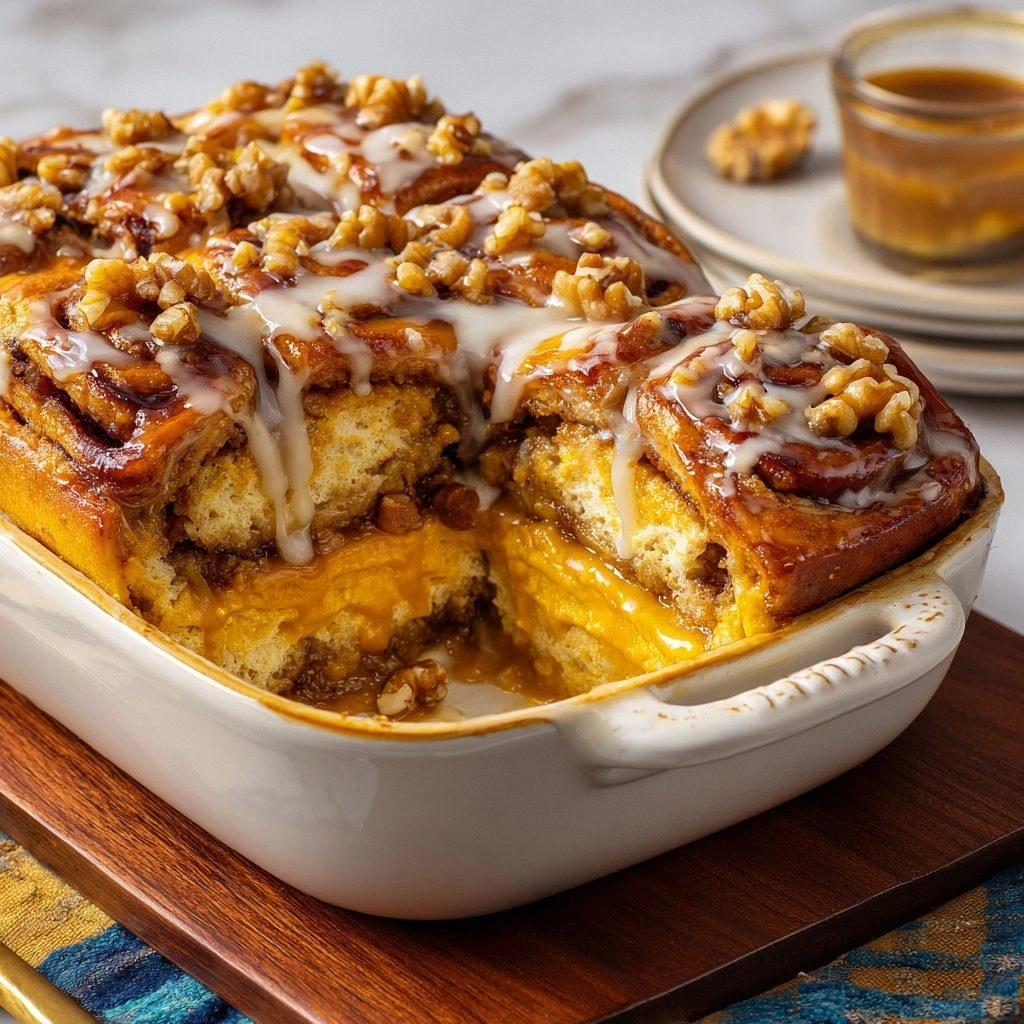
- Presentation: The baked roll looks like a rustic loaf with a caramelized crust, yet inside it’s a soft, cinnamon‑laden dream. It’s a showstopper that impresses even the most discerning guests.
- Ingredient Quality: Using real butter, fresh raisins, and high‑quality brown sugar elevates the dish beyond the ordinary. The result is a flavor that feels luxurious yet approachable.
Alright, let's break down exactly what goes into this masterpiece. The next section will dive into the ingredient list, revealing why each component matters and how it contributes to the final result.
Inside the Ingredient List
The Flour & Leavening Crew
All‑Purpose Flour (3 cups): This is the backbone of the dough, providing structure while remaining soft enough to rise. The protein content of all‑purpose flour strikes a balance between chewiness and tenderness, ensuring the bake doesn't become too dense. If you substitute whole wheat flour, the flavor deepens but the texture may become heavier, so keep the ratio in mind. The flour also absorbs the liquid, creating a cohesive batter that holds the filling together.
Active Dry Yeast (2 tsp): Yeast is the life force that turns the dough into a cloud of golden goodness. It ferments the sugars, releasing carbon dioxide that gives the bake its airy interior. A fresh yeast pack yields a better rise, while stale yeast can result in a flat loaf. Stir the yeast into warm milk to activate it before adding the dry ingredients.
Salt (1 tsp): Salt is the unsung hero that enhances every other flavor. It balances the sweetness, brings out the nutty notes of pecans, and controls yeast activity to prevent over‑fermentation. Too much salt can hinder rise, so measure carefully. A pinch of sea salt on top before baking adds a subtle crunch.
The Sweet & Rich Base
Warm Milk (1 cup): Warm milk activates the yeast and creates a tender crumb. It also adds a subtle dairy sweetness that complements the brown sugar. Use a thermometer to keep the milk below 110°F to avoid killing the yeast. If you prefer a dairy‑free version, oat or almond milk works well but may alter the rise slightly.
Unsalted Butter, Melted (1/4 cup): Butter enriches the dough, giving it a silky mouthfeel and a golden crust. The fat coats the flour proteins, limiting gluten development for a tender finish. Melted butter also distributes evenly, preventing dry patches. A touch of extra butter on top before baking adds a glossy sheen.
Brown Sugar (1/4 cup): Brown sugar introduces molasses undertones that deepen the cinnamon flavor. Its moisture content keeps the dough from drying out during baking. If you’re watching calories, you can substitute with coconut sugar, but the taste will shift slightly. The sugar also caramelizes on the surface, creating a sweet, crisp crust.
Vanilla Extract (1 tbsp): Vanilla is the flavor enhancer that ties all the sweet elements together. It brings warmth and depth, making the cinnamon notes pop. A splash of vanilla in the glaze balances the citrusy lemon, creating a harmonious finish. For a more robust flavor, try a vanilla bean instead.
The Flavor Explosion
Raisins (1 cup): Dried grapes add chewy bursts of sweetness that contrast with the soft dough. They also bring a natural sweetness that reduces the need for added sugar in the glaze. When soaked briefly in warm water, they soften further, making them even juicier. If you prefer a different dried fruit, cranberries or apricots can work, though the flavor profile will change.
Chopped Pecans (1 cup): Pecans provide a buttery crunch that adds texture and a nutty aroma. Their mild flavor pairs well with cinnamon and brown sugar, enhancing the overall taste. Toasting the pecans lightly before adding them brings out their oils, deepening the flavor. For a different nut, walnuts or almonds can be used, but be aware of the stronger taste.
Ground Cinnamon (2 tsp for filling): Cinnamon is the star that delivers warmth and spice. The amount used in the filling ensures each bite is coated in aromatic sweetness. Ground cinnamon also dissolves smoothly, preventing gritty patches. A pinch of nutmeg or allspice can add an extra layer of complexity.
The Finishing Touches
Powdered Sugar (1 cup): Powdered sugar creates a silky glaze that coats the top like a gentle snowfall. It dissolves quickly, leaving no gritty texture. Mixing it with a few tablespoons of milk creates a smooth, pourable consistency. If you prefer a thicker glaze, add more powdered sugar and reduce the liquid.
Unsalted Butter, Melted (2 tbsp for glaze): Butter adds richness and helps the glaze set into a glossy finish. It also balances the sweetness of powdered sugar, preventing it from feeling too sugary. Melted butter should be cooled slightly before mixing to avoid clumping. A drizzle of melted butter over the glaze before serving adds shine.
Lemon Juice (1 tbsp): Lemon juice brightens the glaze, cutting through the sweetness and adding a subtle tartness. It also reacts with the powdered sugar to create a smooth, glossy finish. The citrus note is reminiscent of a fresh bakery, making the dish feel lively. If you prefer a sweeter glaze, reduce the lemon juice slightly.
Vanilla Extract (1 tsp for glaze): This tiny amount of vanilla in the glaze ties the glaze and the dough together, ensuring a unified flavor profile. It enhances the citrus and sweet notes, making the glaze more complex. A vanilla bean or a drop of vanilla bean paste can elevate the glaze further. The key is to keep the amount moderate to avoid overpowering.
Ground Cinnamon (1 tsp for glaze): The glaze’s cinnamon keeps the flavor consistent throughout the bake. It also adds a subtle warmth that complements the butter and lemon. The small amount prevents the glaze from becoming too thick. A pinch of nutmeg can add an extra hint of spice.
Milk (1/4 cup for glaze): Milk adjusts the glaze’s consistency, making it pourable yet thick enough to coat. It also adds a slight dairy sweetness that balances the lemon. If you’re dairy‑free, coconut milk or oat milk works well, though the glaze may appear slightly different. The milk should be warm to help the powdered sugar dissolve.
Everything's prepped? Good. Let's get into the real action. The following steps will guide you through creating a bake that feels like a warm hug and tastes like a holiday treat.
The Method — Step by Step
- Step 1: Combine Dry Ingredients. In a large bowl, whisk together flour, yeast, salt, and brown sugar until evenly distributed. The dry mix should feel like fine sand, ready to absorb the wet components. This is the foundation that will hold the entire bake together. Let the mixture sit for a minute before adding liquids.
- Step 2: Activate Yeast. Warm the milk to 110°F and pour it over the dry mixture. Sprinkle the yeast on top and let it sit for 5 minutes until foamy. The foam indicates active yeast, a sign that the dough will rise beautifully. Stir gently to combine, ensuring no clumps remain.
- Step 3: Add Butter and Vanilla. Stir in melted butter and vanilla extract, then mix until a sticky dough forms. The butter should coat the flour, creating a tender crumb. If the dough feels too dry, add a tablespoon of milk at a time until it reaches a pliable consistency. This is where the texture starts to develop.
- Step 4: Knead the Dough. Turn the dough onto a floured surface and knead for about 8 minutes until it becomes smooth and elastic. The dough should stretch without tearing, a sign of proper gluten development. This step is crucial for a light interior. If the dough is too sticky, sprinkle a little more flour, but use it sparingly.
- Step 5: First Rise. Place the dough in a greased bowl, cover with plastic wrap, and let it rise in a warm spot for 30 minutes or until doubled in size. The dough should feel airy and slightly springy when pressed. This rise gives the bake its fluffy texture. Pat the dough down gently before proceeding.
- Step 6: Prepare the Filling. In a bowl, combine raisins, pecans, and 2 teaspoons of ground cinnamon. Toss until the nuts and raisins are evenly coated. This mixture will be the sweet, nutty center that oozes out as the bake cooks. The cinnamon will infuse the dough with its warm aroma.
- Step 7: Assemble the Layers. Roll the dough into a rectangle about 12x18 inches. Spread a thin layer of the filling over the dough, leaving a small border. Carefully roll the dough into a log, then cut it into 12 equal slices. Place the slices in a greased baking dish, arranging them in a single layer with the seam facing up.
- Step 8: Second Rise. Cover the dish with parchment paper and let the assembled rolls rise for 20 minutes. The dough should puff up slightly, creating a light, airy interior. This second rise is essential for a tender crumb. Watch Out: Do not over‑bake the second rise; a few minutes too long will result in a dense, chewy texture.
- Step 9: Bake. Preheat the oven to 375°F (190°C). Bake for 30–35 minutes or until the tops are golden brown and a toothpick inserted into the center comes out clean. The aroma will fill the kitchen, creating a welcoming atmosphere. Let the bake cool for 10 minutes before glazing.
- Step 10: Glaze and Serve. While the bake is still warm, whisk together powdered sugar, melted butter, lemon juice, vanilla, cinnamon, and milk until smooth. Drizzle the glaze over the top, letting it cascade down the sides. Slice and serve immediately, or let it set for a firmer glaze. The final result is a sweet, buttery, cinnamon‑laden masterpiece that will have everyone asking for seconds.
That's it — you did it. But hold on, I've got a few more tricks that'll take this to another level. These insider tips will help you avoid common pitfalls and elevate the flavor profile even further.
Insider Tricks for Flawless Results
The Temperature Rule Nobody Follows
The key to a perfect rise lies in keeping the dough at the right temperature. A warm room (around 75°F) accelerates yeast activity, but if it’s too hot, the yeast will die. Use a thermometer to monitor the dough; if it starts to look greasy, chill it for 10 minutes. This simple adjustment can turn a mediocre bake into a showstopper.
Why Your Nose Knows Best
Trust your nose during the second rise. If the dough emits a sweet, yeasty aroma, it’s ready. A sour or off scent signals over‑fermentation, which can lead to a bitter taste. Use this olfactory cue instead of a timer for a more intuitive bake. This technique is a secret weapon used by professional bakers.
The 5-Minute Rest That Changes Everything
After baking, let the dish rest for exactly five minutes before glazing. This brief pause allows the steam to settle, preventing the glaze from running off the edges. A short rest also lets the flavors meld, giving the bake depth. If you rush the glaze onto a hot surface, it will sizzle and create uneven patches.
Add a Splash of Water to Reheat
When reheating leftovers, add a splash of water to the baking dish before microwaving. This trick steams the bake, restoring moisture and preventing it from drying out. Cover tightly to trap steam, and heat for 30 seconds per slice. The result is a freshly baked feel without the extra time.
Keep the Crust Crisp with Parchment
Line the baking dish with parchment paper before placing the rolls. The parchment prevents sticking and allows for even heat distribution, resulting in a crisp, golden crust. After baking, you can simply lift the parchment and serve. This small step saves you from a messy cleanup.
Use a Baking Stone for Even Heat
If you have a baking stone, preheat it in the oven. The stone provides consistent, radiant heat that ensures the bottom of the rolls cooks evenly. Place the dish on the stone and bake as usual. This technique is especially useful for larger batches or when you want a uniform crust.
Creative Twists and Variations
This recipe is a playground. Here are some of my favorite ways to switch things up:
Mocha Cinnamon Roll Bake
Add 1 tablespoon of instant espresso powder to the dough and glaze for a coffee‑infused twist. The bitterness balances the sweetness, creating a sophisticated flavor. Serve with a splash of milk for a mocha‑like experience. This variation is perfect for coffee lovers and brunches.
Pumpkin Spice Edition
Replace the raisins with dried cranberries and add 1 teaspoon of pumpkin pie spice to the filling. Use pumpkin puree in place of a portion of the milk for a richer, autumnal taste. The result is a warm, comforting bake that feels like a slice of pumpkin pie. Ideal for fall gatherings.
Nut‑Free Delight
Omit the pecans and substitute with chopped walnuts or omit them entirely. Use almond flour for the dough to keep the bake nutty without actual nuts. This version is great for those with nut allergies while still delivering a hearty texture. The flavor remains robust and satisfying.
Chocolate Chip Surprise
Stir in 1/2 cup of dark chocolate chips into the filling for a sweet, melty surprise. The chocolate melts into the warm dough, creating pockets of gooey delight. The contrast between chocolate and cinnamon is a crowd‑pleaser. Perfect for chocolate lovers.
Maple Syrup Glaze
Replace the powdered sugar glaze with a maple syrup reduction. Simmer maple syrup with a splash of butter until it thickens, then drizzle over the bake. The natural sweetness of maple pairs beautifully with cinnamon. This variation adds a rustic, seasonal feel.
Spicy Cinnamon Roll Bake
Add a pinch of cayenne pepper to the filling for a subtle kick. The heat complements the sweet cinnamon, creating a balanced flavor profile. This spicy twist works well for those who like a little heat in their desserts. It’s a conversation starter at dinner parties.
Storing and Bringing It Back to Life
Fridge Storage
Store the cooled bake in an airtight container in the refrigerator for up to 3 days. The moist environment keeps the rolls from drying out. When ready to eat, let them sit at room temperature for 10 minutes before serving. This method preserves the flavor and texture without compromising freshness.
Freezer Friendly
Wrap the bake tightly in plastic wrap and place it in a freezer bag for up to 2 months. When reheating, thaw overnight in the refrigerator. The texture remains tender, and the glaze stays glossy. This is ideal for meal prep or for guests who need a quick dessert.
Best Reheating Method
Reheat the bake in a preheated oven at 350°F for 10 minutes, or microwave on medium power for 30 seconds per slice. Add a splash of water to the dish before reheating to keep it moist. The result is a warm, freshly baked experience. This trick ensures the bake never feels stale.