Picture this: you’re halfway through a Sunday dinner prep, the kitchen smells like garlic and oregano, and you’re suddenly hit by a frantic realization—there’s no pizza left for the family. The oven is already on for the roast, the pasta is boiling, and the only thing you could pull out of the fridge that would satisfy everyone is a single flatbread. I stared at that lone sheet of dough, a little too proud of its thin, crisp promise, and thought, “If I could make this as good as a store‑bought pie, I’d be a culinary hero.” That moment of panic turned into a culinary epiphany and gave birth to this Spinach Feta Flatbread Pizza, a dish that’s as quick as it is unforgettable.
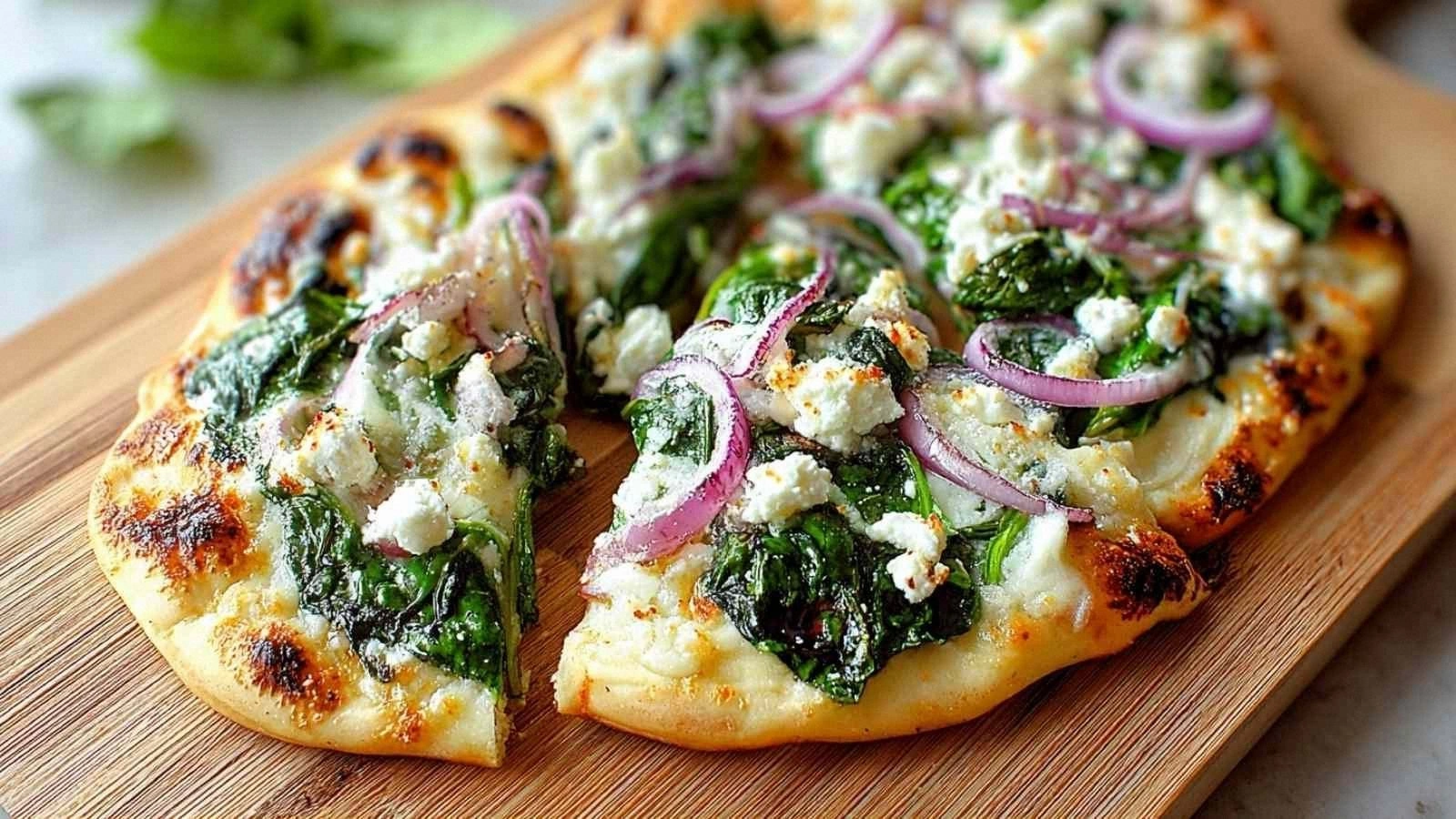
As I preheated the oven to 425°F, the first thing that struck me was the way the flatbread’s edges browned, turning from pale to a golden‑brown hue, like a sunrise over a quiet Mediterranean coast. The aroma that wafted from the pan was a subtle blend of toasted dough and fresh herbs, punctuated by a faint, sweet whisper of melted cheese. When I slid the pizza onto the counter, the steam curled up in lazy spirals, and the sound of the cheese bubbling was a comforting, almost musical, accompaniment. I could almost taste the salty tang of feta mingling with the mild, buttery mozzarella, while the spinach offered a gentle, earthy bite that balanced the richness. The texture, from the crisp crust to the soft, slightly chewy center, was a tactile reminder that this isn’t just another pizza—it’s a layered experience.
What makes this version stand out from the countless flatbread recipes out there is the precise harmony of ingredients and the attention to detail in the cooking process. I dare you to taste this and not go back for seconds. The combination of feta and mozzarella creates a creamy, tangy base that’s more indulgent than a typical cheese pizza, yet lighter thanks to the spinach. The use of a single flatbread keeps it simple, but the extra virgin olive oil brushed over the dough before baking gives it a subtle, peppery finish that elevates the entire dish. The result is a pizza that’s hands down the best version you’ll ever make at home, with a crust that’s crisp on the outside and soft on the inside, and a filling that’s both comforting and sophisticated.
If you’ve ever struggled with making a pizza that doesn’t fall apart or taste flat, you’re not alone—and I’ve got the fix. Most recipes get this completely wrong by overloading the toppings or using the wrong type of cheese. The secret here is the balance: a thin flatbread, a measured amount of olive oil, and the right mix of cheeses. Picture yourself pulling this out of the oven, the whole kitchen smelling incredible, and the family’s eyes lighting up as they take that first bite. Okay, ready for the game‑changer? Let me walk you through every single step—by the end, you’ll wonder how you ever made it any other way.
What Makes This Version Stand Out
- Taste: The dual cheese blend of mozzarella and feta gives a creamy, tangy profile that’s richer than plain mozzarella but not overpowering. The subtle garlic powder and black pepper add depth without masking the freshness of the spinach.
- Texture: A single flatbread provides a perfectly crisp crust while maintaining a tender interior. The olive oil coating creates a slightly caramelized edge that snaps pleasantly when you bite.
- Simplicity: With only ten ingredients, this recipe is a breeze to assemble, making it ideal for busy weeknights or last‑minute gatherings.
- Crowd Reaction: This pizza is a hit at potlucks, family dinners, and even as a sophisticated appetizer. The colorful spinach and feta make it Instagram‑worthy.
- Ingredient Quality: Using fresh spinach and high‑quality feta elevates the flavor profile, turning an ordinary flatbread into a gourmet experience.
- Make‑Ahead Potential: Assemble the toppings ahead of time and store in the fridge; the flatbread will bake to perfection even after refrigeration.
Inside the Ingredient List
The Flavor Base
Flatbread: The foundation of the pizza, a single flatbread provides a sturdy yet light base. It’s essential to use a flatbread that’s not too thick; a thinner crust yields a crispier bite. Skipping the flatbread would turn the dish into a sloppy pile of toppings, losing that satisfying crunch.
Extra Virgin Olive Oil: Brushed over the flatbread before baking, it creates a golden, slightly caramelized edge and adds a subtle peppery flavor. If you don’t have extra virgin olive oil, a light drizzle of any olive oil will work, but the premium oil gives a richer finish. A small pinch of sea salt can enhance the oil’s flavor, but be careful not to overdo it.
The Texture Crew
Shredded Mozzarella: This cheese melts smoothly, creating a gooey, stretchy layer that holds the toppings together. It’s the binder that keeps the feta from floating. If you prefer a sharper flavor, substitute part of the mozzarella with provolone or a mild cheddar.
Crumbled Feta: Feta’s briny tang contrasts the mild mozzarella and adds a creamy, slightly chunky texture. If you’re lactose intolerant, try a goat cheese or a dairy‑free alternative, though the flavor profile will shift.
Garlic Powder & Black Pepper: These seasonings provide a subtle, aromatic base that permeates the pizza. They’re a quick way to infuse flavor without the need for fresh garlic, but if you love garlic, a few minced cloves can replace the powder for a fresher bite.
The Unexpected Star
Fresh Spinach: The spinach adds a burst of color, nutrition, and a mild, slightly sweet taste that balances the feta’s saltiness. If you can’t find fresh spinach, baby spinach or a small handful of frozen spinach (thawed and squeezed dry) works well. Too much spinach can release water and make the pizza soggy; keep it to half a cup for the perfect moisture level.
Red Onion: Thinly sliced, the red onion offers a gentle crunch and a hint of sweetness. It’s a subtle contrast to the creamy cheeses. If you’re not a fan of onion, replace it with thinly sliced shallots or even a splash of caramelized onions for extra depth.
The Final Flourish
Garlic Cloves: Fresh garlic cloves, minced and tossed with the olive oil, add a bright, aromatic kick that’s more pronounced than garlic powder. Skipping the garlic would make the pizza taste flat; the cloves bring that essential zing. For a milder garlic flavor, reduce the number of cloves to two.
Sea Salt: A light dusting of sea salt enhances all the flavors and balances the feta’s saltiness. Too much salt can overpower the dish, so a quarter teaspoon is just enough to lift the taste profile.
Everything's prepped? Good. Let's get into the real action...
The Method — Step by Step
- Preheat your oven to 425°F (220°C). Line a baking sheet with parchment paper or a silicone mat for easy cleanup. The preheated surface ensures the flatbread starts crisping immediately. This is the moment of truth—if you’re not careful, you’ll end up with a soggy crust.
- While the oven is heating, toss the sliced red onion and minced garlic cloves in a small bowl with the tablespoon of extra virgin olive oil. Let the mixture rest for about two minutes; the oil will infuse the garlic and soften the onions slightly. This step is essential for unlocking the aromatic depth of the dish. If you’re in a hurry, skip the rest time and move on—just remember the flavor will be a bit less pronounced.
- Brush the prepared flatbread with the olive oil mixture, ensuring an even coat on both sides. The oil will help the cheese melt evenly and create a beautiful golden crust. Lay the flatbread on the lined baking sheet, oil side up. This orientation keeps the toppings from sliding off during baking.
- Evenly sprinkle the shredded mozzarella over the entire surface of the flatbread. The cheese should cover the crust like a soft blanket. Watch as the cheese starts to bubble and turn a light golden brown—this is the cue that the pizza is cooking well.
- Scatter the crumbled feta, fresh spinach, and sliced red onion over the mozzarella. The feta adds a salty burst, the spinach brings color, and the onions contribute a subtle crunch. The layers should be visible, creating a beautiful, colorful mosaic that will melt together as the pizza bakes.
- Season the entire pizza with ¼ teaspoon garlic powder, ⅛ teaspoon ground black pepper, and ¼ teaspoon sea salt. The spices should be distributed evenly; use a small spoon or your fingers to spread them. This seasoning step is critical for balancing the flavors—too little and the pizza will taste flat, too much and it will overpower.
- Slide the baking sheet into the preheated oven and bake for 12–15 minutes, or until the cheese is bubbly and the edges of the flatbread are golden brown. Keep an eye on the pizza—oven temperatures can vary, and you don’t want the crust to burn. The smell of melted cheese and toasted dough will fill your kitchen, making the wait worth it.
- Remove the pizza from the oven and let it rest for 2 minutes. This short rest allows the cheese to set slightly, preventing it from sliding off when you slice. Slice into wedges and serve immediately for the best flavor and texture.
- Serve hot, optionally with a sprinkle of fresh oregano or a drizzle of balsamic glaze for an extra touch of sophistication. If you’re feeling adventurous, add a handful of arugula on top for a peppery finish. This is the moment you can truly showcase the pizza’s versatility.
That's it — you did it. But hold on, I've got a few more tricks that'll take this to another level...
Insider Tricks for Flawless Results
The Temperature Rule Nobody Follows
Many home bakers set their ovens to a lower temperature, assuming it will prevent burning. In reality, a high heat of 425°F (220°C) is essential for a crisp crust. The rapid heat melts the cheese quickly, sealing the crust before it can become soggy. If you’re using a conventional oven, preheat for at least 20 minutes to ensure even heat distribution.
Why Your Nose Knows Best
When the pizza is halfway through baking, the aroma will tell you if it’s on track. A subtle, nutty smell indicates the crust is crisping properly, while a metallic or burnt smell signals you need to lower the heat or remove the pizza earlier. Trust your senses; they’re your best guide in the kitchen.
The 5-Minute Rest That Changes Everything
Letting the pizza rest after baking may seem like a waste of time, but it’s crucial. The cheese sets, preventing a greasy mess when you cut it. A 5‑minute rest also allows the flavors to meld, giving the pizza a richer taste profile. If you’re in a hurry, a 2‑minute rest still offers noticeable improvement.
Keep the Toppings Balanced
Too many toppings can drown out the flatbread’s flavor and cause sogginess. Stick to the ½ cup spinach and ½ cup onion recommendation. If you love extra veggies, add them to the side plate instead of on top of the pizza.
Use Fresh, High-Quality Ingredients
Fresh spinach and a high‑quality feta make a world of difference. Look for spinach that’s crisp and dark green, and choose feta that’s firm, not crumbly or overly moist. The quality of the ingredients will reflect in the final taste, making the pizza feel like a gourmet creation.
Serve with a Simple Green Salad
Pair this flatbread pizza with a light salad of mixed greens, cherry tomatoes, and a lemon vinaigrette. The acidity cuts through the richness of the cheeses, creating a balanced meal. It’s a quick, healthy side that complements the pizza’s Mediterranean vibe.
Creative Twists and Variations
This recipe is a playground. Here are some of my favorite ways to switch things up:
Smoky Chipotle Twist
Replace half the mozzarella with smoked gouda and add a teaspoon of chipotle powder to the seasoning mix. The smoky heat pairs beautifully with the feta’s saltiness, giving the pizza a bold, adventurous flavor profile.
Sun‑Dried Tomato Explosion
Incorporate a handful of chopped sun‑dried tomatoes with the spinach and onions. The sweet, tangy tomatoes add a burst of flavor that complements the feta’s briny notes.
Herb Garden Delight
After baking, sprinkle fresh basil, oregano, and thyme over the pizza. The aromatic herbs lift the dish into a fragrant, herbaceous experience that feels like a trip to the Mediterranean.
Roasted Veggie Upgrade
Swap the fresh spinach for a mix of roasted zucchini, bell peppers, and eggplant. The caramelized veggies add depth and a slightly sweet flavor that balances the feta’s sharpness.
Chicken Caesar Flatbread
Add grilled chicken breast strips and a drizzle of Caesar dressing. Top with shaved parmesan and a sprinkle of fresh parsley for a savory, protein‑packed variation.
Vegan Version
Use a plant‑based mozzarella alternative and crumble vegan feta. Replace the olive oil with a splash of coconut oil for a subtle tropical note. This version maintains the same delicious taste while being completely dairy‑free.
Storing and Bringing It Back to Life
Fridge Storage
Store leftover pizza in an airtight container in the refrigerator for up to 3 days. The crust may soften slightly, but the cheese will remain creamy. Before reheating, let the pizza sit at room temperature for 10 minutes to reduce moisture buildup.
Freezer Friendly
Wrap the pizza tightly in parchment paper, then in plastic wrap, and place it in a freezer bag. It will keep well for up to 2 months. Thaw overnight in the refrigerator before reheating.
Best Reheating Method
Reheat in a preheated oven at 375°F (190°C) for 8–10 minutes, or until the cheese is bubbly again. For a crispier crust, finish with a quick burst under the broiler for 1–2 minutes. Add a tiny splash of water before reheating to steam the pizza back to its original moisture level.