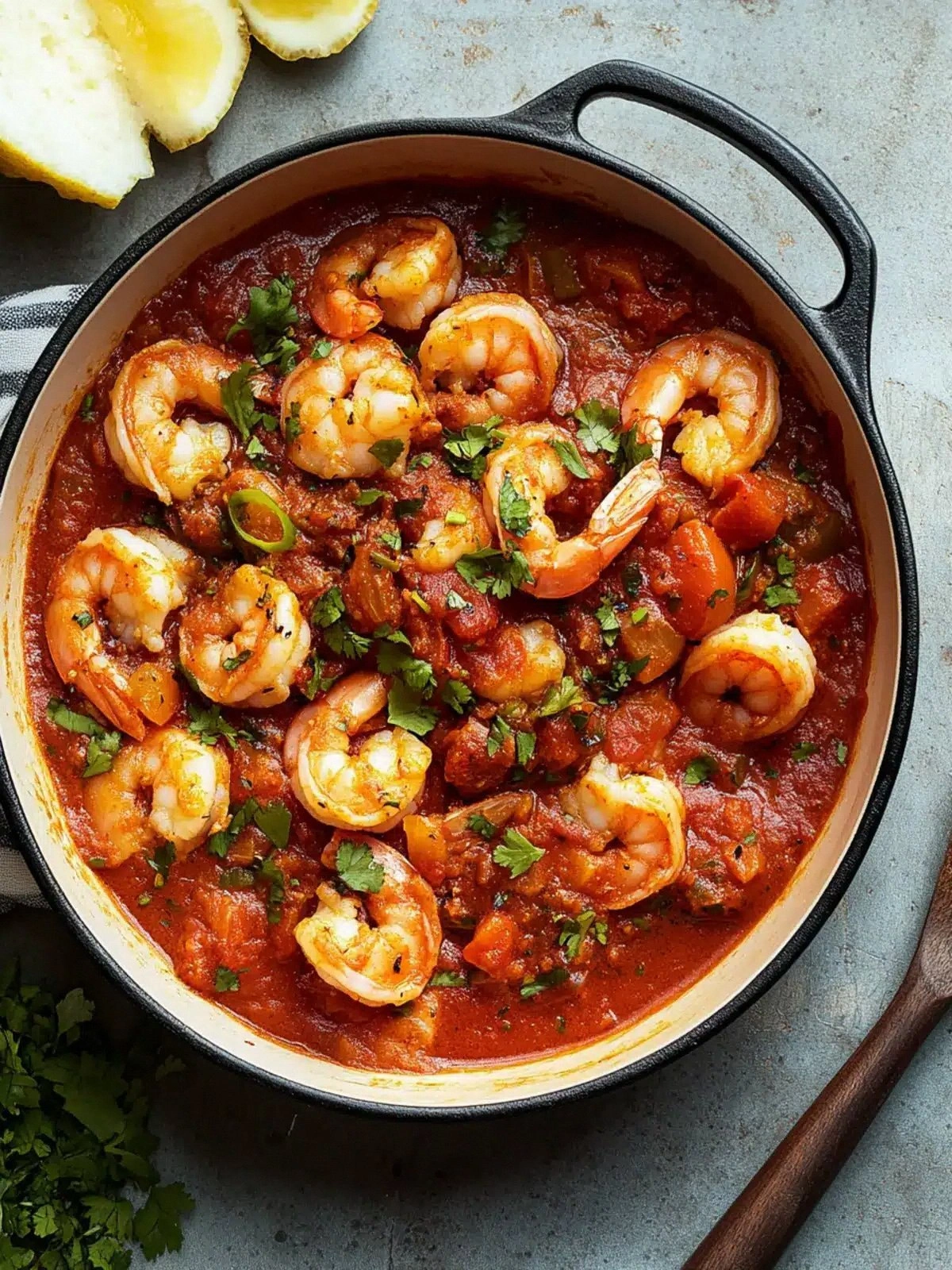
Picture this: it’s a rainy Saturday evening, your phone buzzes with a frantic text from your roommate, “I’m craving something that feels like a hug but tastes like a storm.” You’re staring at the fridge, which looks like a sad, beige desert. The only thing that could turn that mood into a culinary triumph is a pot of steaming, smoky, buttery shrimp creole that smells like a Louisiana summer and tastes like a secret recipe you’d swear was written by a chef who’s been dancing in the kitchen for decades. I’m here to spill the beans—well, the shrimp, the sauce, the whole shebang—so you can turn that rainy night into a fiesta of flavors.
When I first discovered this version, it was a kitchen experiment gone wild. I was trying to salvage a batch of overcooked shrimp that had turned into rubbery, flavorless mush. I tossed a splash of lemon, a pinch of cayenne, and a handful of fresh herbs into a pan, and the aroma that escaped was so intoxicating that I almost didn’t bother to finish the dish. That single moment of aromatic revelation was the spark that turned a disaster into a masterpiece. And now, after countless iterations, I’ve refined the technique to the point where every component—from the buttery roux to the last splash of Worcestershire—plays a precise role in building a sauce that coats the shrimp like velvet and makes the rice absorb every drop of savory goodness.
If you’ve ever tried a “shrimp creole” that left you feeling like you’d just eaten a bland, over‑seasoned soup, you’re not alone. Most recipes get this completely wrong. They either over‑salt, under‑cook the shrimp, or skip the critical step of creating a roux that binds the flavors. What sets this version apart is that it’s a symphony of textures and tastes, with a depth that feels both comforting and adventurous. I dare you to taste this and not go back for seconds. Seriously, this is hands down the best version you’ll ever make at home.
Picture yourself pulling this pot from the stove, the whole kitchen smelling incredible, the steam rising like a cloud of anticipation. Your friends will stare in awe as you ladle the stew over fluffy white rice, the shrimp glistening, the sauce thick, the aroma filling the room. They’ll ask for the secret, and you’ll smile, knowing you’ve got a recipe that’s not only delicious but also a conversation starter. Let me walk you through every single step—by the end, you’ll wonder how you ever made it any other way.
What Makes This Version Stand Out
- Flavor Depth: A roux-based sauce that develops a nutty, caramelized base, then layers with tomato, herbs, and a splash of Worcestershire for umami.
- Texture Contrast: Tender, juicy shrimp wrapped in a silky sauce, contrasted with crisp celery and the subtle crunch of green onions.
- Simplicity: Only 17 ingredients, all pantry staples or easy to find, no need for exotic spices or special equipment.
- Unique Twist: A dash of cayenne that gives a gentle heat without overpowering, and lemon juice that brightens the entire dish.
- Crowd Appeal: It’s the kind of dish that makes people ask, “What’s that?” and then say, “I want to cook this.”
- Ingredient Quality: Fresh shrimp, low‑sodium broth, and whole tomatoes that retain their natural sweetness.
- Cooking Method: A step‑by‑step roux technique that ensures a smooth, thick sauce that clings to every grain of rice.
- Make‑Ahead Potential: The stew stores beautifully; flavors deepen overnight, making it perfect for busy weeknights.
Alright, let's break down exactly what goes into this masterpiece...
Inside the Ingredient List
The Flavor Base
At the heart of any great stew lies a flavor base that sings. In this dish, it’s a butter‑and‑flour roux that slowly caramelizes until it’s a golden brown. The butter gives richness, while the flour acts as a thickening agent. Together, they form a canvas that absorbs and distributes the subsequent spices, tomatoes, and broth. Skipping the roux would leave you with a watery sauce that feels like a sad attempt at a soup. If you’re short on time, you can use a premade roux, but the homemade version adds a depth that’s hard to beat.
The Texture Crew
Celery and onions are the unsung heroes that provide crunch and aroma. Celery’s subtle bitterness balances the sweetness of tomatoes, while onions bring a sweet, caramelized undertone when sautéed. The shrimp, of course, are the star—tails‑off shrimp that are peeled and deveined to ensure a clean, uniform bite. The final flourish of green onions adds a fresh, almost citrusy bite that lifts the entire dish.
The Unexpected Star
Worcestershire sauce may seem like a random addition, but it’s a flavor powerhouse that introduces a subtle tang and umami punch. It’s the secret ingredient that ties the sauce together, giving it a depth that would otherwise feel flat. If you’re averse to Worcestershire, a splash of soy sauce can substitute, but be careful not to overdo it, as it can quickly become too salty.
The Final Flourish
Fresh lemon juice is the final touch that brightens the stew, cutting through the richness and adding a zesty kick. A squeeze of lemon right before serving makes the dish feel fresh and alive. If you prefer a milder citrus note, use a splash of orange juice instead; it will give a sweeter, slightly floral finish.
Everything's prepped? Good. Let's get into the real action...
The Method — Step by Step
- Start by melting 3 Tbsp of butter in a large, heavy‑bottomed pot over medium heat. As the butter foams, sprinkle in 1 Tbsp of flour, stirring constantly with a wooden spoon. The mixture should start to turn a light golden hue within 2–3 minutes. This is the classic roux that will give your stew its silky body. The key is patience—don’t rush the caramelization, or you’ll end up with a pale, under‑developed sauce.
- Add the chopped onion, celery, and a pinch of kosher salt to the roux. Sauté for about 5 minutes until the vegetables soften and the onion becomes translucent. The aroma that fills the kitchen is the first hint that you’re on the right track. This step is where the base flavor begins to emerge, and every second spent here pays dividends later.
- Stir in the minced garlic, paprika, dried thyme, oregano, and cayenne pepper. Cook for another minute, allowing the spices to toast and release their essential oils. The garlic will turn a golden brown, giving a subtle smoky undertone. If the mixture starts to stick, add a splash of water to keep it from burning.
- Pour in 1.5 cups of low‑sodium chicken broth and 15 oz of crushed whole tomatoes. Bring the mixture to a gentle simmer, then reduce the heat to low. Let it bubble for 10 minutes, allowing the flavors to marry. During this time, the sauce will thicken slightly, and the tomatoes will break down, creating a velvety consistency.
- Add the Worcestershire sauce, green onions, and the lemon juice. Stir everything together and let it simmer for an additional 5 minutes. This is the moment of truth—your sauce should smell toasty, bright, and ready to embrace the shrimp. If it feels too thick, splash in a bit more broth; if too thin, let it reduce a bit longer.
- Now it’s time for the star of the show: the shrimp. Toss them into the pot and stir gently. Cover and cook for 4–5 minutes, just until the shrimp turn pink and opaque. The shrimp should be tender but not rubbery. Don’t overcook—this is where the texture matters most.
- Stir in the cooked white rice, making sure each grain is coated with the luscious sauce. If the stew feels too thick at this point, add a splash of water or broth to loosen it. Let everything heat through for 2 minutes, allowing the rice to absorb the flavors.
- Taste the stew, adjust the seasoning with salt and pepper to your liking, and serve immediately over a bed of fluffy rice. Garnish with a final sprinkle of fresh green onions for a pop of color and freshness.
That's it—you did it. But hold on, I've got a few more tricks that'll take this to another level...
Insider Tricks for Flawless Results
The Temperature Rule Nobody Follows
Many people think the exact temperature doesn’t matter, but it does. Keep your heat on medium‑low when simmering the sauce; too high and you risk scorching the roux, too low and the flavors won’t meld properly. If you notice the sauce is too thick, add a small splash of broth and let it simmer gently. This will maintain the right viscosity without diluting the flavor.
Why Your Nose Knows Best
When the shrimp is about halfway cooked, pause and inhale deeply. The scent of caramelized onions, toasted garlic, and tomato should be unmistakable. If it smells flat, give it a minute more. Your nose is the ultimate judge of readiness—trust it.
The 5‑Minute Rest That Changes Everything
Once the shrimp are cooked, let the pot sit covered for 5 minutes. This resting period allows the shrimp to finish cooking in their own juices while the sauce thickens to perfection. Don’t rush to serve; the rest enhances texture and flavor.
Use Fresh Herbs for a Burst of Color
While the recipe calls for dried thyme and oregano, fresh herbs can elevate the dish. Add a handful of fresh thyme or oregano at the end, just before serving, for a bright, herbal aroma that pairs wonderfully with the lemon.
Don’t Forget the Crunch
Some people love a little crunch in their stew. Add a handful of toasted breadcrumbs or chopped fresh parsley at the end for an unexpected textural surprise.
Serve With a Side of Crusty Bread
The sauce is so rich that a slice of warm, crusty bread is the perfect accompaniment. It’s ideal for soaking up every last drop of savory goodness.
Creative Twists and Variations
This recipe is a playground. Here are some of my favorite ways to switch things up:
Spicy Cajun Twist
Swap the cayenne for a generous pinch of Cajun seasoning, and add a splash of hot sauce right before serving. This version will have a fiery kick that’s perfect for heat lovers.
Vegan Version
Replace shrimp with firm tofu or tempeh, and use vegetable broth instead of chicken. Keep the tomatoes, spices, and lemon, and you’ll have a hearty, plant‑based stew that still satisfies.
Seafood Medley
Introduce diced scallops or mussels along with the shrimp for a more luxurious oceanic flavor. The mussels will absorb the sauce beautifully, adding a briny depth.
Herb‑Infused Variation
Incorporate fresh basil and parsley at the end, and replace the Worcestershire sauce with a splash of soy sauce for an Asian‑inspired twist. The fresh herbs will brighten the dish, while the soy adds umami.
Low‑Carb Option
Serve the stew over cauliflower rice instead of white rice. The cauliflower will soak up the sauce, giving you a low‑carb, high‑protein meal.
Breakfast Take‑Away
Serve the stew over a bed of scrambled eggs for a hearty breakfast. The shrimp and sauce pair wonderfully with the creamy eggs, making a satisfying morning meal.
Storing and Bringing It Back to Life
Fridge Storage
Let the stew cool completely before transferring it to an airtight container. Store in the refrigerator for up to 3 days. The flavors will deepen, giving you a richer taste each time you reheat.
Freezer Friendly
For longer storage, divide the stew into portions and freeze in freezer‑safe containers or zip‑lock bags. It will keep for up to 2 months. Thaw overnight in the fridge before reheating.
Best Reheating Method
Reheat the stew on the stovetop over low heat, adding a splash of water or broth to loosen it up. Stir frequently to prevent sticking. If you’re in a hurry, microwave on medium, stirring every 30 seconds. Add a tiny splash of water before reheating to restore moisture and bring the sauce back to its silky state.