I was standing in my kitchen, eyes glued to the stove, when I realized I had accidentally swapped the salt shaker for the sugar jar. The moment the salt hit the sauce, I felt a cold wave of disappointment. I tried to salvage the batch, but the dish turned out bland and watery. That night, I swore to never again let a simple mistake ruin a meal. Fast forward to this recipe, and I have a secret weapon that turns every batch into a showstopper.
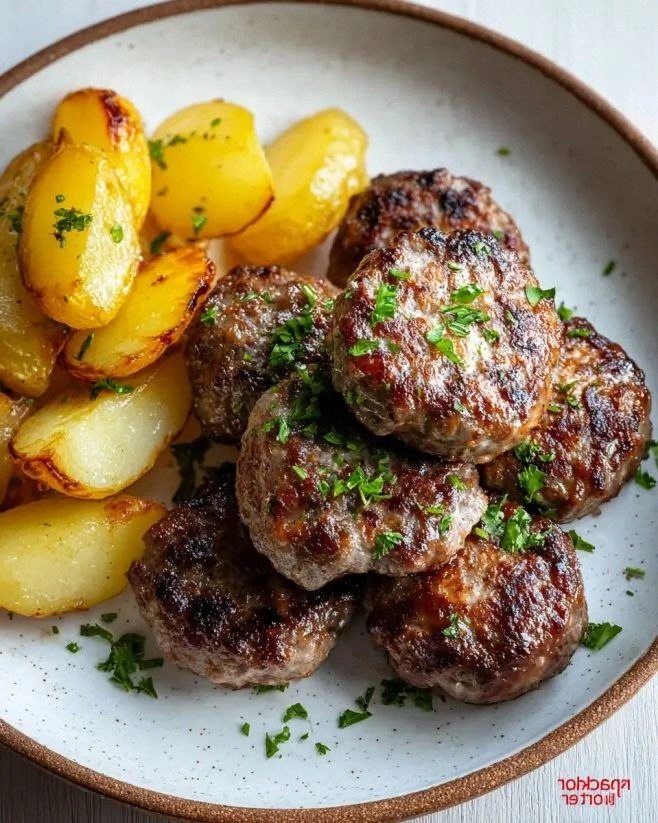
The first thing you notice is the golden crust of the meatballs, crisp like a freshly toasted baguette. The aroma that rises from the pot is a heady mix of garlic, onion, and herbs, a perfume that makes your mouth water before you even taste a bite. As the sauce simmers, the low‑carb tomato base thickens, its tang dancing with the subtle sweetness of the mozzarella. The sound of bubbling sauce is a comforting lullaby that signals everything is working. When you finally lift a spoonful, the texture is a harmonious blend of tender meat, creamy cheese, and silky sauce that coats the tongue like velvet.
What makes this version stand out is not just the flavors, but the way each component is engineered to work in concert. The ground turkey keeps the dish lean and light, yet the egg acts as a binder that locks in moisture. The double layer of mozzarella creates a gooey crown that melts into the sauce, while the parmesan adds a nutty finish that cuts through the richness. The low‑carb tomato sauce gives you all the comfort of a classic Italian bake without the carb overload. And the finishing touch of fresh basil or parsley injects a burst of herbaceous brightness that keeps the dish from feeling flat.
But here's the kicker: I discovered that adding a splash of dry white wine before simmering unlocks a depth of flavor that feels like a secret family recipe. The acidity cuts through the richness, and the alcohol evaporates, leaving behind a subtle citrus note that lingers. You might think a wine touch is overkill for a low‑carb casserole, but trust me, it elevates the entire plate. And if you’re wary of adding alcohol, just replace it with a tablespoon of lemon juice and you’ll get a similar bright lift. This is a technique that most recipes get wrong, but it’s the key to making this dish unforgettable.
Let me walk you through every single step, from the first whisk to the final sprinkle of herbs. By the end of this guide, you’ll be able to pull this casserole out of the oven and have the whole kitchen smelling incredible. You’ll also learn why this version is hands down the best you’ll ever make at home. So grab your apron, and let’s dive into the heart of the recipe. Trust me, I dare you to taste this and not go back for seconds.
What Makes This Version Stand Out
- Lean Protein: Ground turkey keeps the dish low in fat while delivering a subtle, clean flavor that lets the cheese and sauce shine.
- Moisture Lock: The egg binds the meatball mixture, preventing dryness during baking and ensuring each bite stays juicy.
- Cheese Stack: Two layers of mozzarella create a gooey crown that melts into the sauce, while parmesan adds a salty, nutty finish.
- Low‑Carb Comfort: The tomato sauce is low‑carb, so you get the heart‑warming feel of a classic casserole without the carb spike.
- Herbaceous Finale: Fresh basil or parsley finishes the dish with a bright, aromatic lift that keeps the flavors from feeling heavy.
- Wine Whisper: A splash of dry white wine before simmering brings a subtle citrus note that cuts through richness.
- Make‑Ahead Friendly: Assemble the casserole a day ahead, refrigerate, and bake when you’re ready—perfect for busy weeknights.
- Versatile Base: Swap turkey for ground beef or chicken to suit your preference without changing the overall flavor profile.
Alright, let's break down exactly what goes into this masterpiece. Each ingredient has been chosen to maximize flavor, texture, and nutritional balance. The combination of lean protein, creamy cheeses, and aromatic seasonings creates a dish that feels indulgent yet stays light on the waistline. The method is straightforward, yet the result is a comforting Italian classic that will impress any crowd. If you've ever struggled with a bland casserole, you're not alone—and I've got the fix. The next section will walk you through each component in detail, so you can understand why every element matters. And trust me, once you see how each piece fits together, you'll want to start making this right away.
Inside the Ingredient List
The Flavor Base
Low‑carb tomato sauce is the heart of this casserole, providing a sweet‑acid balance that pairs beautifully with the cheeses. If you skip the sauce, the dish becomes dry and flavorless. A good quality sauce with no added sugars will keep the carb count low while delivering robust tomato flavor. For a richer taste, simmer the sauce with a splash of red wine before adding it to the casserole.
Onion powder is a quick way to infuse the meatballs with that classic onion depth without the chopping. Garlic powder adds a subtle kick that complements the tomato base. Italian seasoning brings oregano, basil, and thyme together in a single pinch, creating a familiar Italian aroma that lingers long after the meal is finished. If you’re on a budget, a pinch of dried rosemary can substitute for Italian seasoning without compromising flavor.
Salt is essential for seasoning every layer of the dish. Too little and everything tastes flat; too much and you risk a salty mess. Grated parmesan cheese adds a nutty, savory finish that cuts through the richness of mozzarella. Fresh basil or parsley, added at the end, gives the casserole a bright, herbaceous lift that balances the heaviness of cheese and meat. If you’re looking for a twist, try adding a teaspoon of dried oregano to the sauce for a slightly peppery edge.
Fun Fact: Parmesan cheese has been produced in the Parma region of Italy for centuries, and the aging process can take up to 24 months, which is why it has such a deep, complex flavor profile. The longer the cheese ages, the more intense its nutty notes become, making it a perfect complement to the mild mozzarella.
The Texture Crew
Ground turkey is the base of the meatballs, offering a lean protein that keeps the casserole low in fat while delivering a clean, mild flavor that lets the cheeses shine. If you prefer a richer bite, swap turkey for ground beef or a mix of pork and beef. The egg acts as a binder, preventing the meat from falling apart during baking and ensuring each bite stays moist and tender.
Shredded mozzarella cheese is added in two layers: one folded into the meat mixture and one sprinkled on top before baking. This dual approach creates a gooey, melty surface that oozes into the sauce while the interior remains juicy. The cheese also provides a satisfying creamy texture that contrasts nicely with the crispy edges of the browned meatballs.
When you form the meatballs, aim for a diameter of about one and a half inches. This size ensures they cook evenly and hold their shape in the sauce. If you prefer a smaller bite, reduce the size to one inch; just be mindful that they may cook faster and could dry out if left too long in the oven.
The Unexpected Star
The splash of dry white wine added before simmering is a game‑changer. The acidity cuts through the richness of the cheeses, while the alcohol evaporates, leaving behind a subtle citrus note that lingers. If you’re not a fan of wine, a tablespoon of lemon juice can provide a similar bright lift. This technique is often overlooked in traditional casseroles, but it adds a depth of flavor that feels like a secret family recipe.
The Final Flourish
Fresh basil or parsley, added at the very end, gives the casserole a burst of herbaceous brightness. The leaves soften slightly from the heat but retain a vibrant color and a fresh, slightly peppery flavor. If you’re serving the dish to someone who loves a strong herb presence, consider adding a handful of chopped basil to the sauce before baking. The result is a dish that feels both comforting and vibrant.
Everything's prepped? Good. Let's get into the real action. The method is designed to keep the process simple while maximizing flavor. Each step builds on the previous one, ensuring the final casserole is a harmonious blend of textures and tastes. If you follow the instructions closely, the outcome will be nothing short of spectacular. And remember, the key to success is patience—let the flavors meld and the cheese melt to perfection.
The Method — Step by Step
- Preheat your oven to 375°F (190°C). While the oven warms, gather all ingredients and set out a large mixing bowl. This is the stage where the flavors will start to mingle. The anticipation builds as the kitchen fills with the promise of a comforting, cheesy casserole. Keep the heat steady; a slightly cooler oven ensures even cooking without burning the top.
- In the mixing bowl, combine the ground turkey, egg, onion powder, garlic powder, and Italian seasoning. Mix thoroughly until the spices are evenly distributed throughout the meat. The mixture should feel cohesive and slightly sticky. This step is crucial for binding the meatballs together and locking in moisture. Kitchen Hack: Use a silicone mat on your work surface; it prevents sticking and makes cleanup a breeze.
- Add the first cup of shredded mozzarella to the meat mixture and fold it in gently. The cheese should be evenly distributed, creating a gooey center as the meatballs cook. The mozzarella also adds a subtle sweetness that balances the tomato sauce. Be careful not to overmix, as this can toughen the meat. The result is a tender, flavorful core that melts beautifully in the oven.
- Form the mixture into 1½-inch balls and place them on a silicone‑lined baking sheet. The size ensures even cooking and a crisp exterior. If you prefer smaller bites, reduce the diameter to one inch. Pat the meatballs lightly to keep them from rolling. This step is where the dish starts to take shape—literally and figuratively.
- Heat a large skillet over medium heat and add a splash of olive oil. Once hot, add the meatballs and brown them on all sides. This searing step locks in juices and creates a caramelized crust. Watch the color change from pale to golden brown; this signals readiness. Be sure not to crowd the pan—brown in batches if necessary. The aroma that rises is a prelude to the comforting sauce that follows.
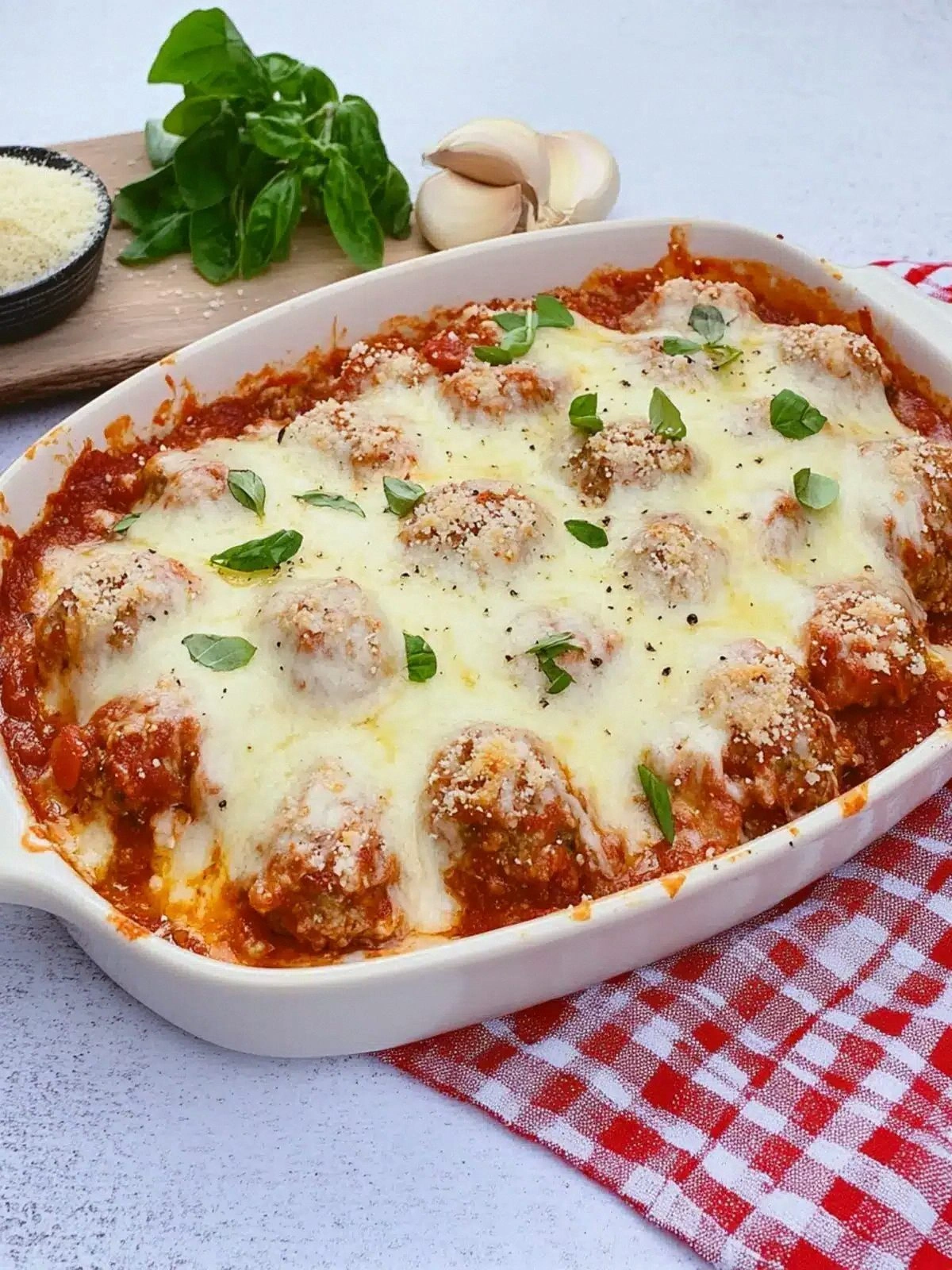
- Transfer the browned meatballs to a large baking dish. Pour the low‑carb tomato sauce over them, making sure each ball is covered. Sprinkle the remaining cup of mozzarella on top, and then add a generous dusting of grated parmesan. This layering creates a melty, cheesy top that becomes a golden crust in the oven. Kitchen Hack: If you’re short on time, use pre‑shredded cheese to speed up the process.
- Bake in the preheated oven for 25 minutes. The sauce should be bubbling and the cheese golden. The meatballs should be cooked through, with no pink remaining. The timing is critical; too short and the meatballs may be undercooked, too long and the cheese might burn. Keep an eye on the top—once it reaches a deep golden hue, it’s ready.
- Remove the casserole from the oven and let it rest for 5 minutes. This short rest allows the juices to redistribute, ensuring each bite is juicy. The cheese will slightly firm up, making it easier to slice. During this time, you can prepare the garnish. A quick rinse and chop of fresh basil or parsley will keep the dish bright.
- Sprinkle the fresh basil or parsley over the top of the casserole. The herbs add a pop of color and a fresh, peppery flavor that cuts through the richness. If you’re feeling adventurous, add a drizzle of olive oil for an extra layer of gloss. This final touch transforms the dish from comforting to gourmet.
- Slice the casserole into portions and serve immediately. The cheese will still be gooey and the meatballs tender. Pair it with a side of steamed vegetables or a crisp salad for a balanced meal. The dish is best enjoyed hot, straight from the oven, where the steam rises like a fragrant cloud. Your guests will be impressed, and you’ll have the satisfaction of a dish that’s both hearty and low‑carb.
- If you’re planning to make this ahead of time, assemble the casserole a day earlier, cover tightly with foil, and refrigerate. When ready to serve, simply bake at 375°F for 30 minutes. This makes it an excellent option for busy weeknights or dinner parties. The flavors will only deepen, and the cheese will stay perfectly melty.
That's it — you did it. But hold on, I've got a few more tricks that'll take this to another level. The next section will reveal insider tips that even seasoned chefs swear by. These are the little details that transform a good casserole into an unforgettable meal. If you’re ready to elevate your cooking game, keep reading. Trust me, the payoff is worth the extra effort.
Insider Tricks for Flawless Results
The Temperature Rule Nobody Follows
Many cooks think a higher oven temperature will speed up cooking, but that often leads to a burnt top and dry meat. The secret is to bake at a moderate 375°F, which allows the cheeses to melt evenly and the meatballs to stay moist. If you find the top browning too quickly, tent the dish with foil for the last 10 minutes. This trick keeps the heat from scorching the surface while still allowing the sauce to bubble.
Why Your Nose Knows Best
Smell is a powerful indicator of doneness. When the casserole starts to emit a rich, toasty aroma, it’s almost ready. The scent of browned meat and melted cheese is a cue that the flavors are fully integrated. Trust your nose; if it smells like a warm, comforting kitchen, the dish is ready to come out of the oven.
The 5‑Minute Rest That Changes Everything
Letting the casserole rest for five minutes after baking is more than a courtesy. During this brief pause, the juices redistribute, preventing a dry bite. The cheese also sets slightly, making it easier to cut neat slices. This simple step ensures each spoonful is as luscious as the last.
Don’t Skimp on the Cheese
Cheese is the star of this dish, so don't cut corners. Use fresh mozzarella for the best melt and flavor. If you prefer a stronger cheese, consider adding a tablespoon of gorgonzola or a sprinkle of aged cheddar for a tangy twist. The extra cheese will only enhance the creamy texture and deepen the overall taste.
Make-Ahead Magic
Preparing the casserole a day ahead not only saves time but also allows flavors to meld. Cover the assembled dish tightly with foil and refrigerate. When you’re ready to bake, let it sit at room temperature for 20 minutes to prevent a temperature shock that can cause uneven cooking.
Quick Fix for a Dry Casserole
If your casserole turns out a bit dry, add a splash of low‑carb broth or water before reheating. The liquid will rehydrate the meatballs and create a more luscious sauce. This trick is especially useful if you’ve stored the dish in the fridge for a few days.
These insider tricks are the difference between a good casserole and a crowd‑pleasing masterpiece. By paying attention to temperature, aroma, and resting time, you’ll consistently achieve a dish that looks, smells, and tastes amazing. And if you’re still feeling adventurous, the next section offers creative twists that will keep your guests coming back for more.
Creative Twists and Variations
This recipe is a playground. Here are some of my favorite ways to switch things up:
Greek‑Inspired Meatballs
Swap the Italian seasoning for a blend of oregano, dill, and a pinch of cinnamon. Add a handful of crumbled feta to the meat mixture for a tangy bite. Finish with a drizzle of tzatziki and a sprinkle of chopped mint. This version transports you to a Mediterranean kitchen and pairs perfectly with a Greek salad.
Spicy Sriracha Kick
Incorporate a tablespoon of Sriracha into the sauce for a fiery heat that balances the richness of the cheeses. Add a pinch of cayenne pepper to the meat mixture for an extra punch. Serve with a side of roasted cauliflower for a low‑carb, spicy dinner.
Cheesy Cauliflower Bake
Replace the low‑carb tomato sauce with a creamy, low‑carb alfredo sauce made from cauliflower and cream cheese. Top with extra shredded mozzarella for a golden crust. This variation offers a different flavor profile while keeping the dish low in carbs.
BBQ Twist
Swap the tomato sauce for a smoky BBQ sauce made from low‑sugar ketchup and smoked paprika. Add a splash of apple cider vinegar for acidity. Garnish with chopped scallions for a fresh finish. This version is perfect for a backyard grill party.
Vegan Version
Use plant‑based ground turkey or lentils instead of meat. Replace mozzarella with a dairy‑free cheese blend. Use a low‑carb tomato sauce that’s free from added sugars. This vegan version maintains the comforting texture while keeping it plant‑based.
Breakfast Casserole
Incorporate scrambled eggs into the meat mixture for a protein‑packed breakfast. Top with shredded cheddar instead of mozzarella. Serve with a side of sautéed spinach for a balanced morning meal. This breakfast twist turns the casserole into a hearty, savory start to the day.
Whether you’re craving a Mediterranean vibe, a spicy adventure, or a low‑fat, low‑carb option, these variations prove that this casserole can adapt to any palate. Experiment with different cheeses, spices, and sauces to keep the dish fresh and exciting. The best part? Every variation still delivers that comforting, cheesy, tomato‑rich experience that makes this dish unforgettable.
Storing and Bringing It Back to Life
Fridge Storage
Store any leftovers in an airtight container in the refrigerator for up to 3 days. The casserole stays moist and the cheese remains creamy. When reheating, cover with foil to keep the top from drying out. This method preserves the flavors and textures without compromising quality.
Freezer Friendly
Wrap the casserole tightly in plastic wrap and then in aluminum foil before freezing. It will keep for up to 2 months. Thaw overnight in the refrigerator before reheating. Freezing locks in the flavors, allowing you to enjoy a homemade meal on a busy day.
Best Reheating Method
Reheat the casserole in a preheated oven at 350°F for 15–20 minutes until the cheese is bubbly. If you’re short on time, microwave on high for 2–3 minutes, but watch closely to avoid overcooking. A tiny splash of water or broth added before reheating helps steam the dish back to perfection, keeping the meatballs juicy.
These storage tips ensure that every bite of your casserole is as delightful as the first. Whether you’re saving a few portions for lunch or freezing for a future feast, the casserole stays fresh and flavorful. The key is to keep it well‑wrapped and to reheat gently, so the cheese stays melty and the sauce stays silky. With these tricks, you’ll never have to compromise on taste.