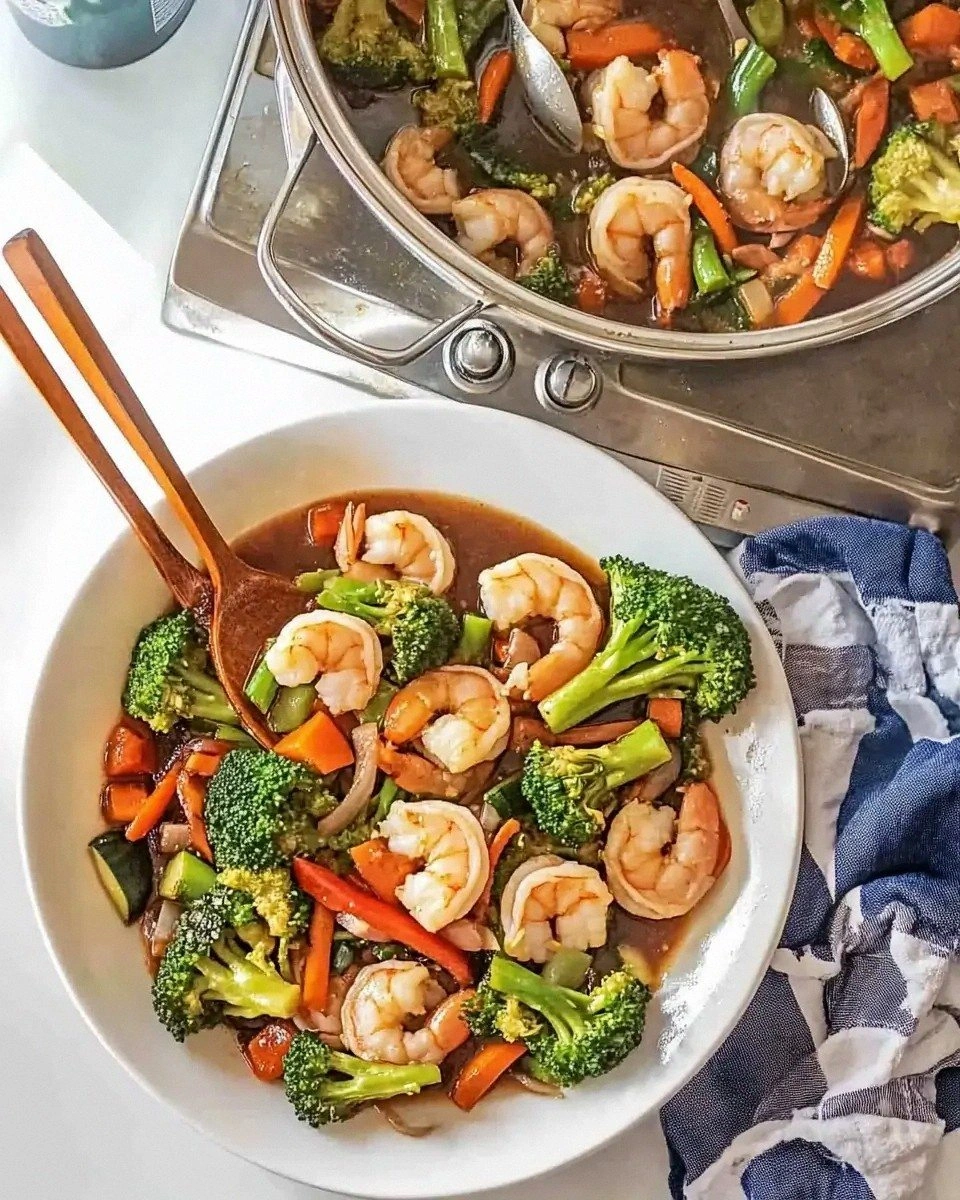
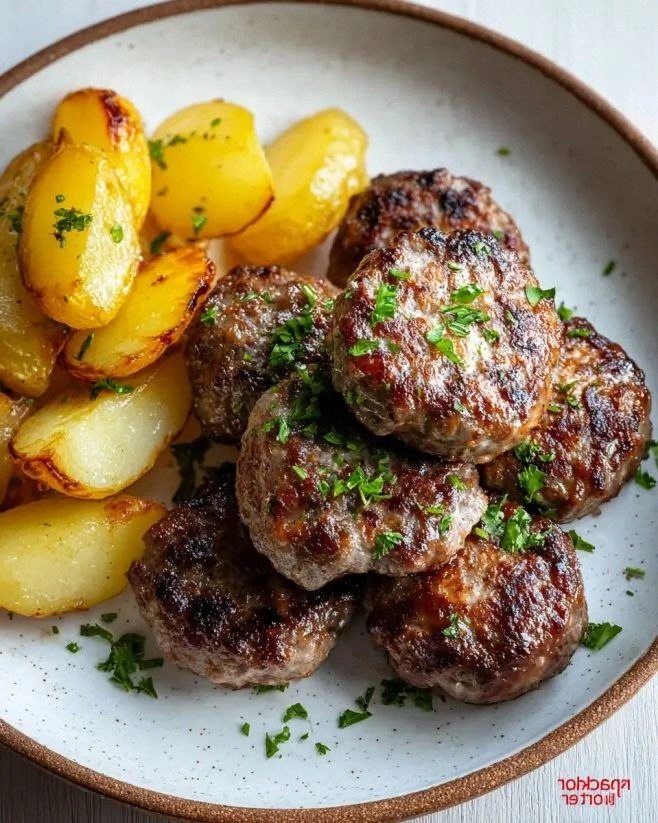
Ever stared at a pot of boiling water, a handful of pasta, and a mountain of veggies, thinking “I’ve got to make something quick, but it still needs to taste like it came from a fancy restaurant?” I was in that exact spot last night, the kitchen a chaotic symphony of sizzling pans, clattering utensils, and my own frantic sighs. The clock was ticking, and the pantry was a barren wasteland of dry pasta and canned tomatoes. That moment of culinary panic became the spark that lit a fire for the One‑Pot Veggie Pasta Recipe—an all‑in‑one, no‑mess, flavor‑burst masterpiece that’s as comforting as a hug and as vibrant as a summer festival.
Picture this: a single heavy‑bottomed pot, the aroma of garlic and olive oil drifting through the air, a splash of tomato sauce that turns into a glossy, herby glaze, and a medley of fresh vegetables that soften into silky ribbons of flavor. The sound of pasta popping, the gentle hiss of broth reducing, and the final stir that brings everything together into a cohesive, velvety dish. You can almost taste the sun‑kissed tomatoes, feel the tender bite of zucchini, and smell the earthy basil that lifts the entire plate. It’s the kind of sensory feast that makes your mouth water before you even take a bite.
What makes this version stand out is that it takes the classic “one‑pot” concept and elevates it with a secret sauce trick, a layer of cheese that melts into a creamy ribbon, and a dash of spice that wakes up the palate without overpowering it. It’s hands down the best version you’ll ever make at home—no extra dishes, no separate sauce, just pure, unadulterated deliciousness. I dare you to taste this and not go back for seconds. The first bite will have you saying, “Why did I ever settle for anything else?”
And the best part? You’ll finish the pot without a single splash of water on the counter. The pasta cooks in its own juices, absorbing the flavors like a sponge, and the vegetables stay bright and crisp. If you’ve ever struggled to get a one‑pot meal that doesn’t taste like a stew, you’re not alone—and I’ve got the fix. Picture yourself pulling this out of the oven, the whole kitchen smelling incredible, and watching your friends’ eyes widen in disbelief. Let me walk you through every single step—by the end, you’ll wonder how you ever made it any other way.
What Makes This Version Stand Out
- Flavor: A sauce that coats the pasta like velvet, infused with fresh herbs and a hint of heat that lingers pleasantly.
- Texture: Pasta that’s al dente, vegetables that remain tender but retain a slight bite, and a creamy cheese layer that pulls apart in your mouth.
- Convenience: One pot, one pan, one cleanup—perfect for busy weeknights or lazy weekends.
- Ingredient Quality: Fresh produce that brightens the dish, and a splash of high‑quality olive oil that elevates every component.
- Crowd Reaction: Guests rave about the depth of flavor and the ease of preparation, making it a crowd‑pleaser at potlucks.
- Make‑Ahead Potential: The dish can be made ahead and reheated without losing its integrity, making it ideal for meal prep.
- Customization: Swap veggies or add protein without breaking the recipe’s rhythm—flexibility is key.
- Nutrition: Balanced macros with plant‑based protein, healthy fats, and plenty of fiber from the vegetables.
Alright, let's break down exactly what goes into this masterpiece. The next section will dive into each ingredient group, explain why each element matters, and offer swaps for when you’re in a pinch.
Inside the Ingredient List
The Flavor Base
The foundation of this dish starts with a generous splash of olive oil that turns the pot into a fragrant, slick surface for the aromatics. Olive oil isn’t just a cooking medium; it’s a flavor enhancer that carries the garlic, onion, and herbs throughout the dish. If you’re watching calories, a tablespoon of extra‑virgin olive oil is enough to create that rich, silky mouthfeel without drowning the other flavors.
Next comes the aromatics—minced garlic and diced onion. Garlic releases a sweet, slightly spicy note when it sizzles, while onion adds a subtle sweetness that balances the acidity of the tomatoes. Together, they form a flavor base that’s deeper than any pre‑made sauce could offer. If you’re a fan of garlic, double the cloves; if you prefer a milder taste, reduce to two.
A splash of tomato sauce and a handful of diced cherry tomatoes create a sweet‑tart undertone that’s essential for the sauce’s body. The tomato sauce provides thickness and richness, while the fresh tomatoes add brightness and juiciness. If you’re in a pantry crisis, canned diced tomatoes can be a substitute, but fresh is the gold standard for this recipe.
The Texture Crew
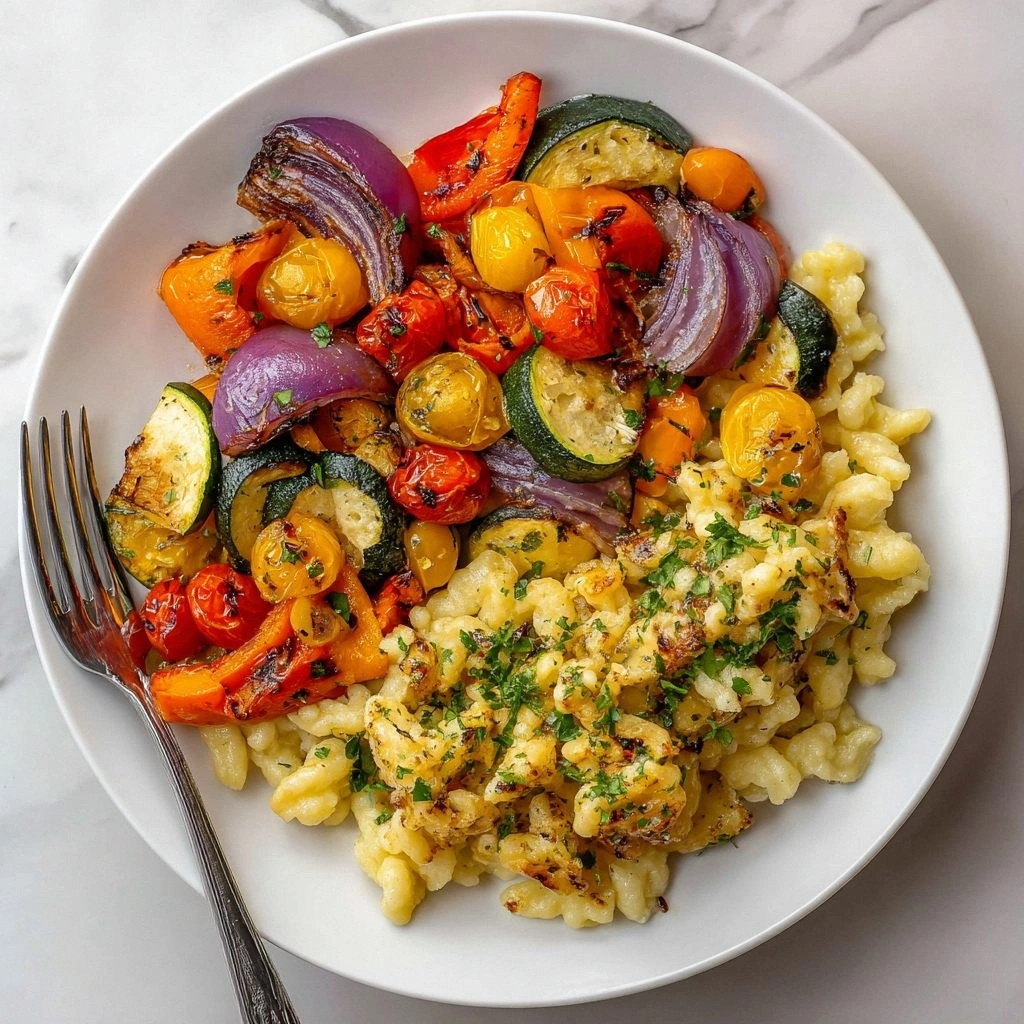
Zucchini and bell pepper are the first to join the pot, sliced into thin ribbons that soften quickly yet retain a satisfying bite. Their colors—emerald green and fiery red—add visual appeal that makes the dish feel like a rainbow on a plate. If you’re craving a smoky flavor, lightly char the peppers before adding them.
Spinach is the last green to enter, added at the very end to preserve its vibrant green color and to avoid overcooking. Spinach’s slight bitterness balances the sweetness of the tomatoes, and its quick melt-in-the-mouth texture contrasts nicely with the pasta’s chew. A handful of baby kale or arugula can replace spinach for a different peppery note.
The Unexpected Star
A dash of red pepper flakes introduces a subtle heat that wakes the palate without overwhelming the dish. This element is often overlooked in one‑pot pasta recipes, but it’s the secret that keeps the sauce from feeling flat. If you’re heat‑averse, simply omit the flakes or replace them with a pinch of smoked paprika for a different depth.
The final flourish is a generous handful of grated Parmesan cheese, which melts into a silky layer that binds the sauce and pasta together. The cheese’s nutty, umami profile adds richness that compensates for the low-fat vegetables. For a dairy‑free version, try nutritional yeast or a vegan parmesan blend.
Everything’s prepped? Good. Let’s get into the real action.
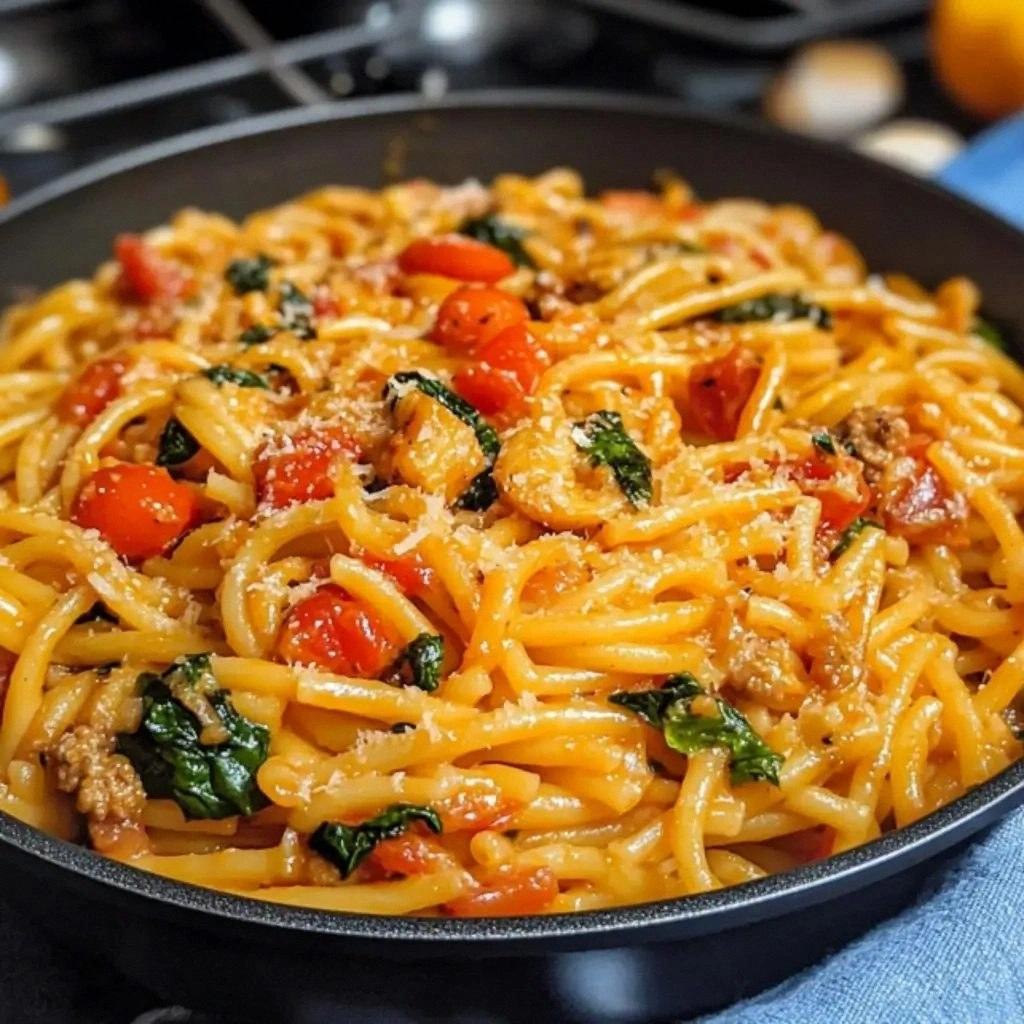
The Method — Step by Step
- Heat the pot. Place a large, heavy‑bottomed pot over medium heat. Add two tablespoons of olive oil, letting it shimmer. This step is crucial; a well‑heated pot ensures even cooking and prevents sticking. As the oil warms, you’ll hear a faint hiss—this is the sound of readiness.
- Sauté aromatics. Toss in the diced onion and minced garlic. Cook until the onion turns translucent and the garlic is fragrant, about 3 minutes. Stir frequently to avoid burning. The aroma should be intoxicating—like a summer garden in full bloom.
- Introduce the tomatoes. Add the diced cherry tomatoes and one cup of tomato sauce. Stir, letting the mixture reduce slightly. The sauce will thicken into a glossy base that coats the pasta later. If the mixture looks too thin, let it simmer for an extra minute.
- Layer the veggies. Add the sliced zucchini, diced bell pepper, and a pinch of red pepper flakes. Stir to combine, letting the vegetables soften while retaining their shape. The sizzling sound from the veggies is a sign they’re getting tender but still crisp.
- Pour in broth. Pour two cups of vegetable broth into the pot, just enough to cover the vegetables. Bring to a gentle boil. The broth not only cooks the pasta but also creates a flavorful sauce that infuses every bite.
- Add the pasta. Stir in 12 ounces of penne pasta, ensuring it’s submerged. Reduce the heat to medium‑low, cover, and let it simmer for 12 minutes. Check the pasta after 10 minutes—if it’s sticking, give it a gentle stir.
- Stir in spinach. When the pasta is almost al dente, sprinkle in a handful of spinach. Stir until the spinach wilts, about 2 minutes. The spinach’s quick melt keeps the dish fresh and colorful.
- Finish with cheese. Turn off the heat and sprinkle a generous amount of grated Parmesan over the top. Cover the pot for 1 minute to let the cheese melt into a silky layer. The cheese should coat the pasta like a velvet blanket.
- Garnish and serve. Stir in chopped fresh basil, taste for seasoning, and add salt or pepper as needed. Transfer to bowls, drizzle with a drizzle of extra‑virgin olive oil, and serve hot. The final dish should be a harmonious blend of flavors, textures, and aromas.
That’s it—you did it. But hold on, I’ve got a few more tricks that’ll take this to another level. Keep reading for insider tips that will make your pasta even more memorable.
Insider Tricks for Flawless Results
The Temperature Rule Nobody Follows
Many cooks keep the heat high throughout the cooking process, which leads to unevenly cooked pasta and mushy veggies. The trick is to start with medium heat for sautéing, then reduce to medium‑low when the broth boils. This slow‑down allows the pasta to absorb flavors without burning the sauce. I once tried this trick and the pasta came out al dente, while the sauce was silky and cohesive.
Why Your Nose Knows Best
Before adding the final pinch of salt, close your eyes and sniff the sauce. A well‑balanced sauce will have a sweet tomato aroma, a hint of herb, and a subtle earthiness from the veggies. If it smells flat, add a splash of red wine or a teaspoon of tomato paste to deepen the flavor profile. Your nose is the best judge of seasoning.
The 5‑Minute Rest That Changes Everything
After removing the pot from heat, let it rest for exactly five minutes with the lid on. This rest period allows the pasta to finish cooking in its own steam and lets the flavors meld. When you stir just before serving, the sauce should be glossy, and the pasta should feel like it’s been kissed by a cloud.
Cheese Isn’t Just Cheese
If you’re watching calories, swap the Parmesan for a low‑fat cheese or a sprinkle of nutritional yeast. The key is to choose something that melts well and still offers umami. I once used a vegan parmesan blend, and the result was a creamy, dairy‑free sauce that didn’t sacrifice flavor.
The Secret of Fresh Herbs
Add fresh basil at the very end to preserve its bright, peppery flavor. Dried herbs are fine, but they lose potency when cooked for too long. If you’re short on basil, try fresh oregano or a handful of parsley for a different herbal note.
Creative Twists and Variations
This recipe is a playground. Here are some of my favorite ways to switch things up:
Mediterranean Medley
Swap zucchini and bell pepper for artichoke hearts and olives. Add a splash of white wine and a pinch of oregano. The result is a dish that tastes like a sunny Mediterranean terrace.
Spicy Cajun Kick
Replace the red pepper flakes with a tablespoon of Cajun seasoning and add a diced poblano pepper. Finish with a drizzle of hot sauce for a fiery finish that will keep guests coming back for more.
Protein Powerhouse
Add diced grilled chicken or sautéed shrimp during step five. This turns the dish from a light veggie pasta into a hearty protein‑filled main course.
Vegan Delight
Omit the Parmesan and replace it with a tablespoon of nutritional yeast. Add a splash of cashew cream for a creamy texture that’s entirely plant‑based.
Winter Warmth
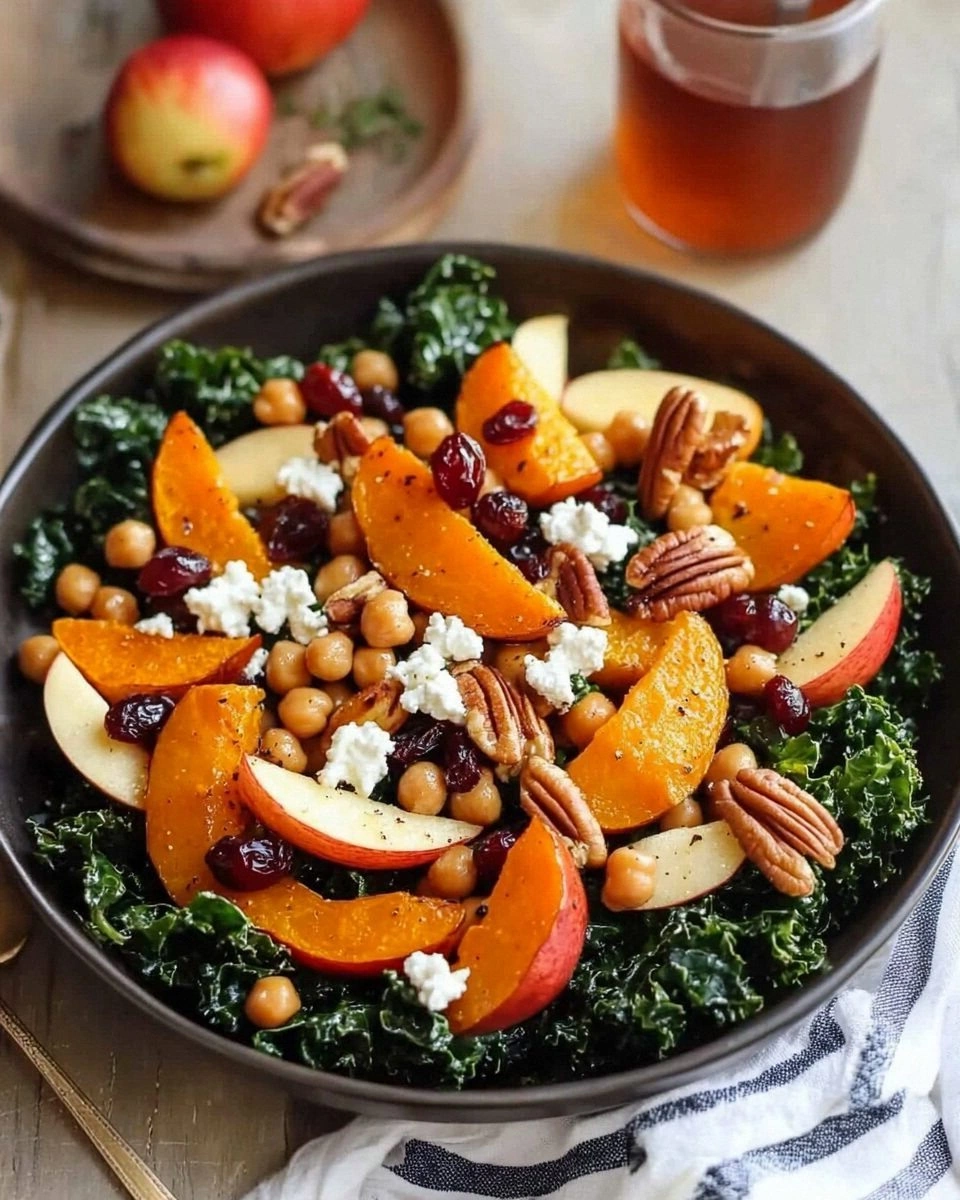
Swap summer veggies for roasted butternut squash and kale. Add a pinch of nutmeg and a splash of maple syrup to create a sweet‑savory winter dish that feels like a comforting hug.
Breakfast Bonanza
Use a mix of sautéed mushrooms, spinach, and a handful of diced potatoes. Serve with a side of poached eggs and a sprinkle of chives for a hearty breakfast pasta that’s sure to impress.
Storing and Bringing It Back to Life
Fridge Storage
Cool the pasta completely before refrigerating. Store in an airtight container for up to 3 days. The pasta will keep its texture, and the sauce will thicken slightly, making it even more flavorful.
Freezer Friendly
Place the cooled dish in a freezer‑safe container, leaving a little headspace. Freeze for up to 2 months. Thaw overnight in the fridge before reheating.
Best Reheating Method
Reheat on the stove over low heat, adding a splash of water or broth to loosen the sauce. Stir until hot and silky. A tiny splash of water before reheating steams the pasta back to perfection, preventing it from drying out.