I remember the night I tried to recreate that legendary Olive Garden herb‑grilled salmon on my own grill. The fillets I tossed onto the hot grates turned out more like a sad, char‑blackened reminder of my kitchen mishaps. My friends laughed, my taste buds begged for mercy, and I vowed to find the secret that makes the restaurant version melt in your mouth. Fast forward, I’ve cracked the code, and this recipe is hands down the best version you’ll ever make at home.
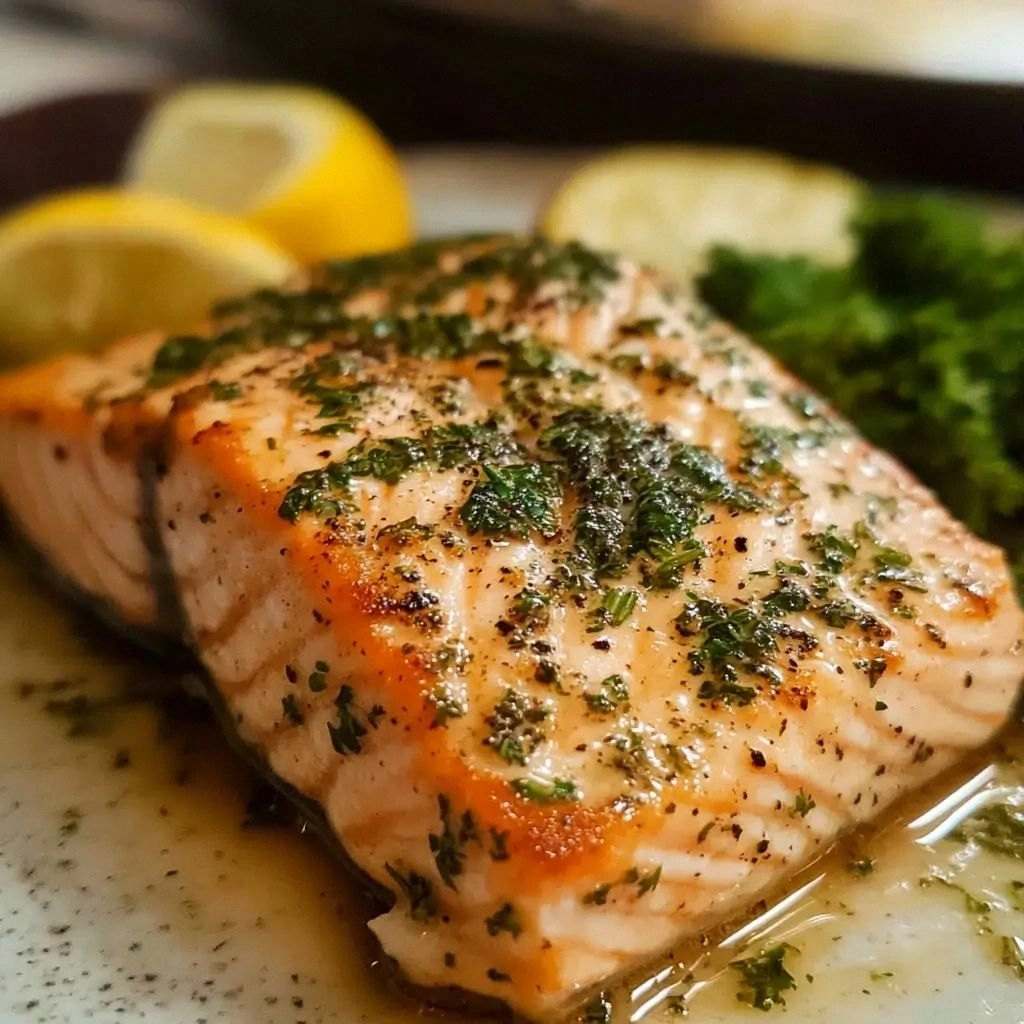
Picture the scene: a sizzling grill, the scent of fresh herbs drifting through the air, the sound of a perfect sear that crackles like applause. The salmon’s flesh glistens, a golden crust forming while the inside stays buttery and tender. The first bite delivers a burst of citrusy brightness that dances across your palate, followed by a lingering, herb‑laden finish that lingers like a sweet after‑taste. Every element—texture, aroma, flavor—converges to create a dish that feels both comforting and luxurious.
What sets this version apart is that it’s not just a copy‑paste from a menu; it’s a refined, home‑friendly adaptation that captures the essence of Olive Garden’s signature. I’ve stripped away unnecessary steps, introduced a few clever hacks, and highlighted the ingredients that truly matter. The result is a recipe that’s simple enough for a busy weeknight yet sophisticated enough to impress guests. If you’ve ever struggled with grilled salmon, you’re not alone — and I’ve got the fix.
I dare you to taste this and not go back for seconds. The next paragraph will walk you through every single step—by the end, you’ll wonder how you ever made it any other way. Let’s dive in.
What Makes This Version Stand Out
- Flavor: The blend of dried oregano, thyme, and parsley creates a Mediterranean symphony that elevates the salmon’s natural sweetness.
- Texture: A crisp, caramelized crust contrasts with a silky, flaky interior—each bite is a textural delight.
- Speed: The entire process takes less than an hour, making it a go‑to for busy evenings.
- Versatility: Swap the grill for a cast‑iron skillet or use a sous‑vide for a different experience.
- Ingredient Quality: Fresh, high‑quality salmon fillets and extra‑virgin olive oil are the backbone of this dish.
- Make‑ahead Potential: Marinate the fillets a few hours ahead; the flavors will deepen, not lose their freshness.
- Presentation: A simple garnish of lemon wedges and fresh parsley turns any plate into a show‑stopper.
Inside the Ingredient List
The Flavor Base
The foundation of this dish lies in the simple, aromatic combination of olive oil, minced garlic, and fresh lemon juice. Olive oil not only prevents sticking but also carries the herbal notes throughout the fillets. Garlic brings depth and a subtle heat, while lemon juice injects a bright, citrusy punch that cuts through the richness of the salmon. If you’re missing fresh lemon, a splash of white wine vinegar can mimic the acidity without overpowering the herbs.
The Texture Crew
Dried oregano, thyme, and parsley are the texture crew that gives the fillets their signature mouthfeel. These herbs, when toasted briefly, release essential oils that coat the fish, creating a flavorful, slightly crunchy rim. The dried herbs also act as a natural binder, keeping the fillets intact during grilling. If you prefer a milder herb profile, substitute half the oregano with basil for a sweeter finish.
The Unexpected Star
Butter is the unexpected star that turns a simple grilled salmon into a velvety masterpiece. When melted over the fillets, butter forms a glossy glaze that locks in moisture and adds a subtle, nutty flavor. The trick is to add the butter in the last minutes of cooking—too early and it will burn; too late and it won’t fully coat the surface. If you’re vegan, a tablespoon of high‑quality plant‑based butter works just as well.
The Final Flourish
Fresh parsley and lemon slices are the final flourish that elevates the dish from good to unforgettable. The parsley adds a burst of green freshness and a pop of color, while the lemon wedges provide a zesty counterpoint to the buttery richness. Together, they create a harmonious balance that keeps the dish light and refreshing. For an extra touch, sprinkle a pinch of sea salt over the parsley before serving.
Everything's prepped? Good. Let's get into the real action.
The Method — Step by Step
- Preheat your grill to a steady 400°F (200°C). Clean the grates thoroughly with a grill brush and lightly oil them to prevent sticking. A hot, clean grill is the foundation for a perfect sear; a cold or dirty grill will produce uneven crusts.
- While the grill heats, pat the salmon fillets dry with paper towels. This step may seem trivial, but moisture is the enemy of a golden crust. Season both sides generously with salt, pepper, and a sprinkle of dried oregano and thyme.
- Brush each fillet with a thin coat of olive oil, then place them on the grill. The oil not only helps the fillets adhere to the grates but also carries the herb flavors into the meat. Let them cook for 4–5 minutes, or until the edges start to lift and a nice crust forms.
- Flip the fillets carefully with tongs, then brush the second side with olive oil again. Place a small pat of butter on top of each fillet; the butter will melt and create a glossy, buttery glaze. Continue cooking for another 3–4 minutes, or until the salmon flakes easily with a fork.
- Squeeze a tablespoon of fresh lemon juice over the fillets as they finish cooking. The acidity cuts through the buttery richness and brightens the overall flavor profile. The lemon also adds a subtle, refreshing aroma that signals the dish is ready.
- Remove the fillets from the grill and let them rest for 3 minutes. Resting allows the juices to redistribute, keeping the salmon moist and tender. While resting, you can plate the salmon on warmed platters to keep the heat locked in.
- Garnish each fillet with chopped fresh parsley and a few lemon wedges. The parsley adds a bright green contrast, while the lemon wedges provide a fresh, citrusy bite that cuts through the richness.
- Serve immediately with your favorite side—roasted vegetables, a crisp salad, or a simple quinoa pilaf. The salmon’s vibrant flavors will pair beautifully with any accompaniment, making it a versatile main or starter.
- Optional: For an extra layer of flavor, drizzle a small amount of extra‑virgin olive oil over the finished fillets and sprinkle a pinch of sea salt. This final touch will elevate the dish to a restaurant‑level finish.
That's it—you did it! But hold on, I've got a few more tricks that will take this to another level.
Insider Tricks for Flawless Results
The Temperature Rule Nobody Follows
Many cooks guess the grill temperature, but a reliable thermometer is the secret weapon. Set the grill to 400°F and keep it steady; a fluctuating temperature will lead to uneven cooking. If you’re using a charcoal grill, let the coals burn down to a consistent heat before placing the salmon. A stable temperature ensures a crisp crust and a tender interior.
Why Your Nose Knows Best
The aroma of sizzling salmon is a reliable indicator of doneness. When the fillets release a buttery, herbaceous scent, they’re close to perfect. If the smell is too fishy, give them a minute more. Trust your nose; it’s a seasoned chef’s best friend.
The 5-Minute Rest That Changes Everything
Resting the salmon for exactly five minutes after grilling is the magic bullet. This brief pause allows the internal temperature to rise just a few degrees, ensuring the fish is fully cooked without drying out. A short rest also lets the juices redistribute, resulting in a moist, flaky texture that melts in your mouth.
Butter vs. Oil: The Great Debate
While olive oil is essential for a good sear, butter adds a luxurious finish that elevates the dish. Adding butter in the last few minutes of cooking creates a glossy glaze that locks in moisture. If you’re avoiding dairy, try a high‑smoke‑point oil like avocado or grapeseed for a similar effect.
Keeping It Fresh on the Go
If you’re meal prepping, let the salmon cool completely before refrigerating. Store it in an airtight container, and reheat gently in a preheated oven at 300°F until warmed through. Adding a splash of water or a drizzle of olive oil before reheating prevents the fillets from drying out.
Creative Twists and Variations
This recipe is a playground. Here are some of my favorite ways to switch things up:
Asian Fusion
Swap the dried herbs for a mixture of dried ginger, garlic powder, and a splash of soy sauce. Finish with a drizzle of sesame oil and a sprinkle of toasted sesame seeds. The result is a savory, umami‑rich salmon that pairs well with steamed rice.
Mediterranean Delight
Add chopped sun‑dried tomatoes and Kalamata olives to the herb mix. The tomatoes bring a sweet tang, while the olives add briny depth. Serve over a bed of couscous for a complete Mediterranean meal.
Spicy Kick
Incorporate a pinch of crushed red pepper flakes into the herb blend. The heat will dance with the citrus, creating a vibrant, fiery flavor profile. Pair with a cooling cucumber yogurt sauce to balance the spice.
Herb Butter Finish
Melt butter with fresh rosemary, thyme, and a hint of lemon zest. Brush this herb butter over the fillets in the last minute of grilling. The aromatic butter adds a luxurious finish that feels like a gourmet touch.
Vegan Alternative
Replace salmon with thick slices of marinated portobello mushrooms. Use the same herb and butter (or vegan butter) mixture, and grill until the mushrooms are tender and slightly charred. The result is a hearty, plant‑based main that satisfies.
Breakfast Twist
Serve the grilled salmon over a warm bowl of quinoa and top with a sunny‑side‑up egg. The combination of protein, healthy fats, and complex carbs makes for a power breakfast that keeps you full until lunch.
Storing and Bringing It Back to Life
Fridge Storage
Cool the salmon completely before placing it in an airtight container. Store in the refrigerator for up to two days. The salmon will maintain its moisture and flavor if kept in a sealed environment.
Freezer Friendly
Wrap each fillet individually in parchment paper and place them in a freezer bag. Label with the date and freeze for up to three months. When ready to use, thaw overnight in the refrigerator.
Best Reheating Method
Reheat the salmon in a preheated oven at 300°F for 10–12 minutes. Add a splash of water or a drizzle of olive oil before reheating to keep the fillets moist. Alternatively, finish on a skillet over low heat for a crisp exterior.