
New Brunswick Salmon Chowder
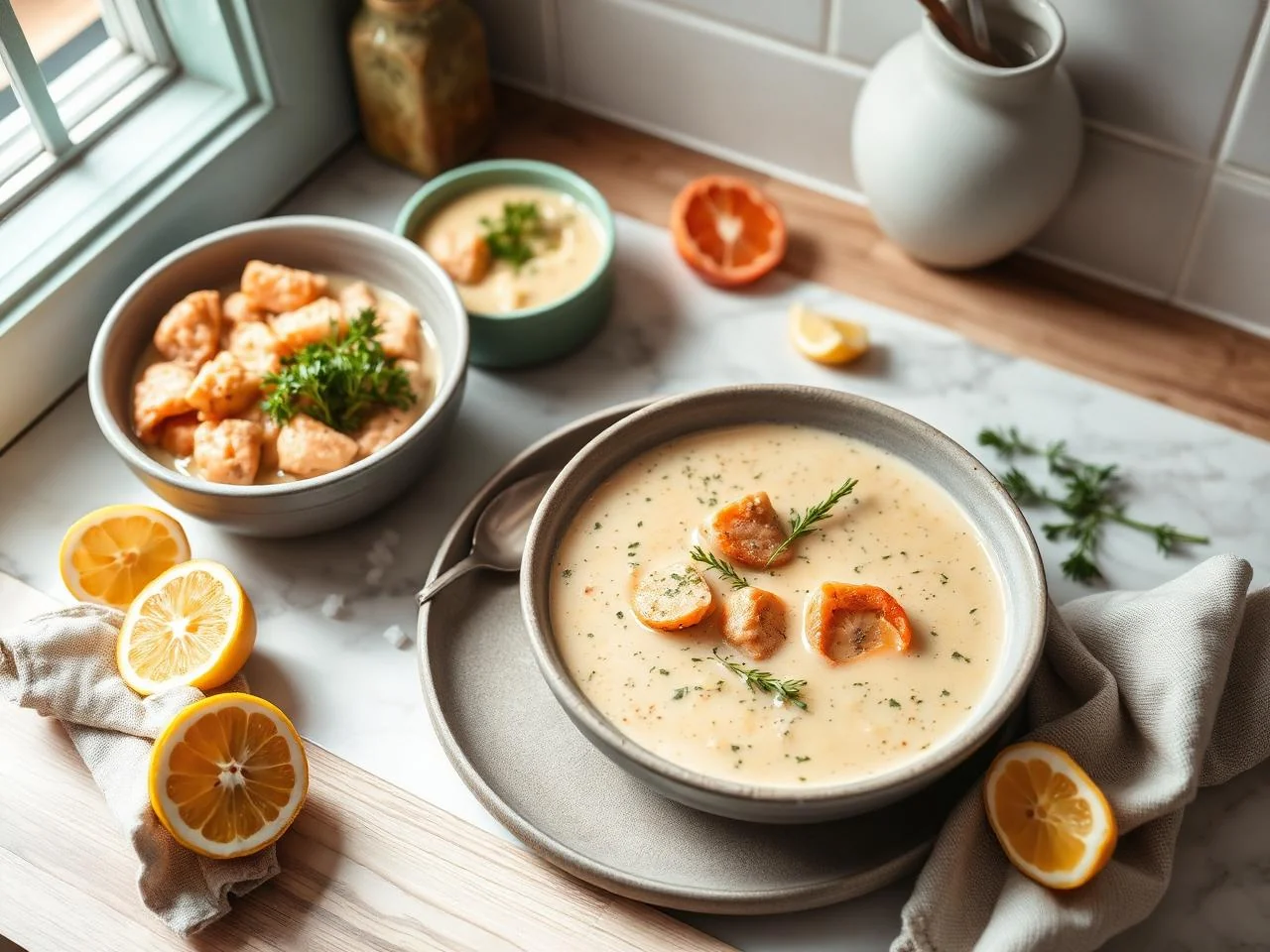
As a coastal home cook, I've always been drawn to the simplicity and flavor of seafood chowders. Growing up in a family of fishmongers, I learned early on the importance of using only the freshest ingredients to bring out the best in any dish. New Brunswick Salmon Chowder is one of those recipes that never fails to impress, whether it's a weeknight dinner or a special occasion. The combination of tender salmon, creamy potatoes, and a hint of smokiness from the bacon creates a truly unforgettable taste experience.
What I love most about this recipe is its accessibility. You don't need to be an expert in cooking seafood to achieve perfection. With a few simple steps and the right ingredients, you can have a delicious, restaurant-quality chowder on your table in no time. It's also incredibly versatile, allowing for substitutions and variations to suit any taste or dietary requirement.
For me, the joy of cooking lies not just in the end result but in the process itself. The chopping, the sautéing, the simmering – each step is a moment to connect with the food and the people you're sharing it with. New Brunswick Salmon Chowder is more than just a recipe; it's an invitation to slow down, appreciate the simple things, and enjoy the company of those around you.
Whether you're a seasoned cook or just starting out, this recipe is designed to guide you through the process with ease. From the initial prep to the final serving, every step is carefully explained to ensure that your New Brunswick Salmon Chowder turns out perfectly every time. So, let's dive in and explore the world of seafood chowders, starting with this beloved classic from New Brunswick.
The key to a great chowder is in the balance of flavors and textures. You want a broth that's rich and creamy, seafood that's tender and flavorful, and a mix of vegetables that add depth without overpowering the dish. New Brunswick Salmon Chowder achieves this balance beautifully, making it a staple in many coastal kitchens. So, let's get started and see how we can bring this delicious chowder to your table.
Why You’ll Love This Recipe
- It's an easy and foolproof recipe, perfect for beginners or experienced cooks looking for a reliable dish.
- The combination of salmon, potatoes, and smoky bacon creates a unique and delicious flavor profile that's hard to resist.
- This recipe is highly versatile, allowing for various substitutions and variations to suit any taste or dietary requirement.
- New Brunswick Salmon Chowder is a crowd-pleaser, making it ideal for family gatherings, parties, or special occasions.
- The dish can be made ahead of time and reheated, making it a great option for busy households or meal prep.
- It's a budget-friendly option that doesn't compromise on flavor or quality, using accessible and affordable ingredients.
Why This Recipe Works
The success of New Brunswick Salmon Chowder can be attributed to several key factors. First, the use of high-quality ingredients, especially the salmon, is crucial. Fresh salmon provides a better flavor and texture than frozen, and it's worth the extra cost for this dish. Second, the layering of flavors, from the smoky bacon to the sweetness of the onions and the savory taste of the seafood, creates a complexity that's hard to resist.
Another important aspect is the technique of cooking the salmon. By cooking it until it reaches 145 F (63 C), as checked with an instant-read thermometer in the thickest part, we ensure that it's not only safe to eat but also retains its moisture and tenderness. This step is critical because overcooking can make the salmon dry and tough, ruining the overall texture of the chowder.
The balance of the broth is also vital. Using a combination of fish stock and cream gives the chowder a rich, velvety texture without making it too heavy. This balance allows the flavors of the salmon and the other ingredients to shine through, creating a harmonious and satisfying taste experience.
Lastly, the resting time after cooking is often overlooked but is essential for the chowder to come together. Allowing it to sit for a few minutes enables the flavors to meld together and the broth to thicken slightly, resulting in a more cohesive and appealing dish.
Ingredients You’ll Need
When it comes to New Brunswick Salmon Chowder, the quality of the ingredients is paramount. You'll need a mix of fresh seafood, vegetables, and pantry staples to bring this dish to life. Look for the freshest salmon you can find, and don't hesitate to ask your fishmonger for advice. For the vegetables, choose ones that are firm and fresh, as they will add texture and flavor to the chowder. Finally, make sure you have all the necessary pantry staples, as they form the backbone of the broth and the flavor profile of the dish.
A key shopping tip is to buy ingredients in season and from local sources when possible. Not only does this support the local economy, but it also ensures that your ingredients are at their best, which directly impacts the quality of your final dish. For this recipe, you might need to visit a few different stores to find everything, but the end result is well worth the extra effort.
- 1 lb (450g) salmon fillet, skin removedFresh salmon is essential for this recipe. Look for fillets that are firm, have a pleasant smell, and a vibrant color. If you can't find fresh, previously frozen salmon can be used, but fresh will always give the best flavor and texture.
- 6 slices of bacon, dicedThick-cut bacon works best for this recipe as it provides a better texture contrast. You can also use smoked bacon for an added depth of flavor.
- 1 large onion, dicedChoose a sweet onion variety like Vidalia or Maui for the best flavor. Onions add a natural sweetness that balances the savory flavors of the seafood and bacon.
- 3 cloves of garlic, mincedFresh garlic is a must for this recipe. Minced garlic distributes evenly throughout the dish, adding a profound depth of flavor without overpowering the other ingredients.
- 2 medium potatoes, peeled and dicedHigh-starch potatoes like Russet work well for this chowder. They add body and help thicken the broth slightly, creating a hearty and comforting dish.
- 1 cup fish stockHomemade fish stock is ideal, but store-bought can be used in a pinch. Ensure it's low sodium so you can control the seasoning of the dish.
- 1/2 cup heavy creamHeavy cream adds richness and a velvety texture to the chowder. You can substitute with half-and-half or a non-dairy alternative for a lighter version.
- 1 teaspoon dried thymeFresh thyme can also be used, but dried thyme provides a more concentrated flavor. Thyme complements the seafood beautifully and adds a touch of earthiness to the dish.
- 1/2 teaspoon saltUse kosher salt for its cleaner flavor. Salt enhances the flavors of the other ingredients and helps bring the dish together.
- 1/4 teaspoon black pepperFreshly ground black pepper is best for the most vibrant flavor. Pepper adds a slight kick and depth to the chowder without overpowering it.
- 2 tablespoons butterUnsalted butter is preferable to control the salt content of the dish. It adds a richness and helps to cook the salmon and other ingredients to perfection.
- 2 tablespoons chopped fresh parsleyCurly-leaf parsley works well for garnish, adding a pop of color and freshness to the dish. It also provides a nice contrast in texture to the creamy chowder.
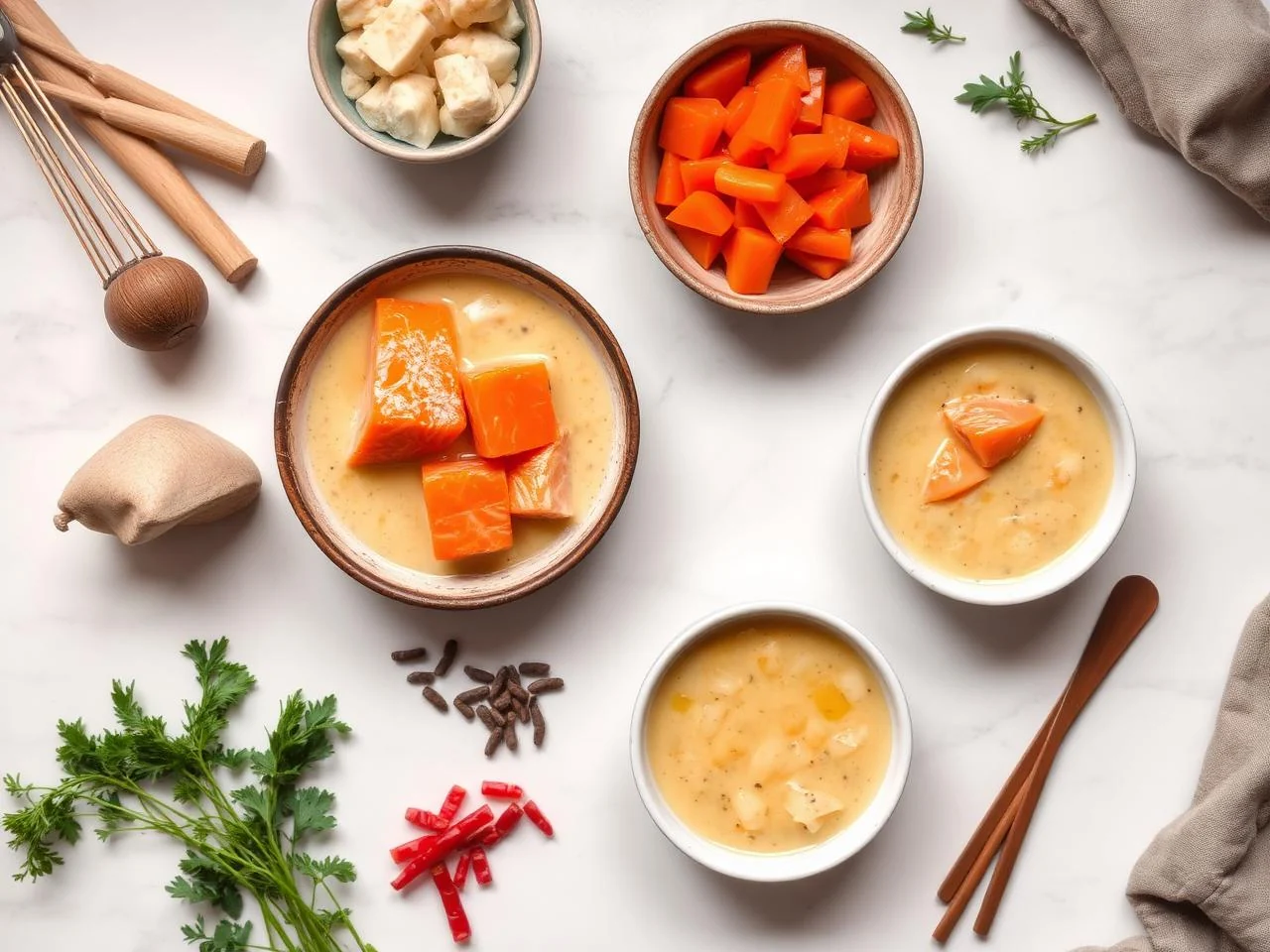
Equipment You’ll Need
How to Make New Brunswick Salmon Chowder
- 1Start by preparing your ingredients. Dice the bacon, onion, and potatoes, and mince the garlic. This step is crucial for ensuring even cooking and a smooth texture in the final dish.
- 2In a large pot or Dutch oven, cook the diced bacon over medium heat until it's crispy. Remove the bacon from the pot with a slotted spoon and set it aside on a paper towel-lined plate. Leave the grease in the pot as it will add flavor to the chowder.
- 3Add the diced onion to the pot and cook until it's softened and translucent, about 5 minutes. Add the minced garlic and cook for another minute, stirring constantly to prevent burning.
- 4Add the diced potatoes, fish stock, and cooked bacon back into the pot. Bring the mixture to a boil, then reduce the heat to low and simmer for about 15 minutes, or until the potatoes are tender.
- 5While the potatoes are cooking, prepare the salmon. Cut it into large chunks and season with salt, pepper, and thyme. When the potatoes are done, add the salmon to the pot and cook until it reaches 145 F (63 C) as checked with an instant-read thermometer in the thickest part.
- 6Once the salmon is cooked, stir in the heavy cream and let it heat through for a couple of minutes. Be careful not to let it boil, as this can cause the cream to separate and the chowder to become too thick.
- 7Remove the pot from the heat and let the chowder rest for a few minutes. This allows the flavors to meld together and the broth to thicken slightly, creating a more cohesive dish.
- 8Just before serving, stir in the butter until it's fully incorporated and the chowder is creamy and rich. Taste and adjust the seasoning as needed.
- 9Serve the chowder hot, garnished with chopped fresh parsley and a side of crusty bread or crackers. The parsley adds a freshness and a pop of color to the dish, while the bread or crackers provide a satisfying crunch.
- 10For an added touch, consider serving the chowder in bread bowls or with a side salad for a more filling meal. This also helps to soak up the flavorful broth and adds variety to the meal.
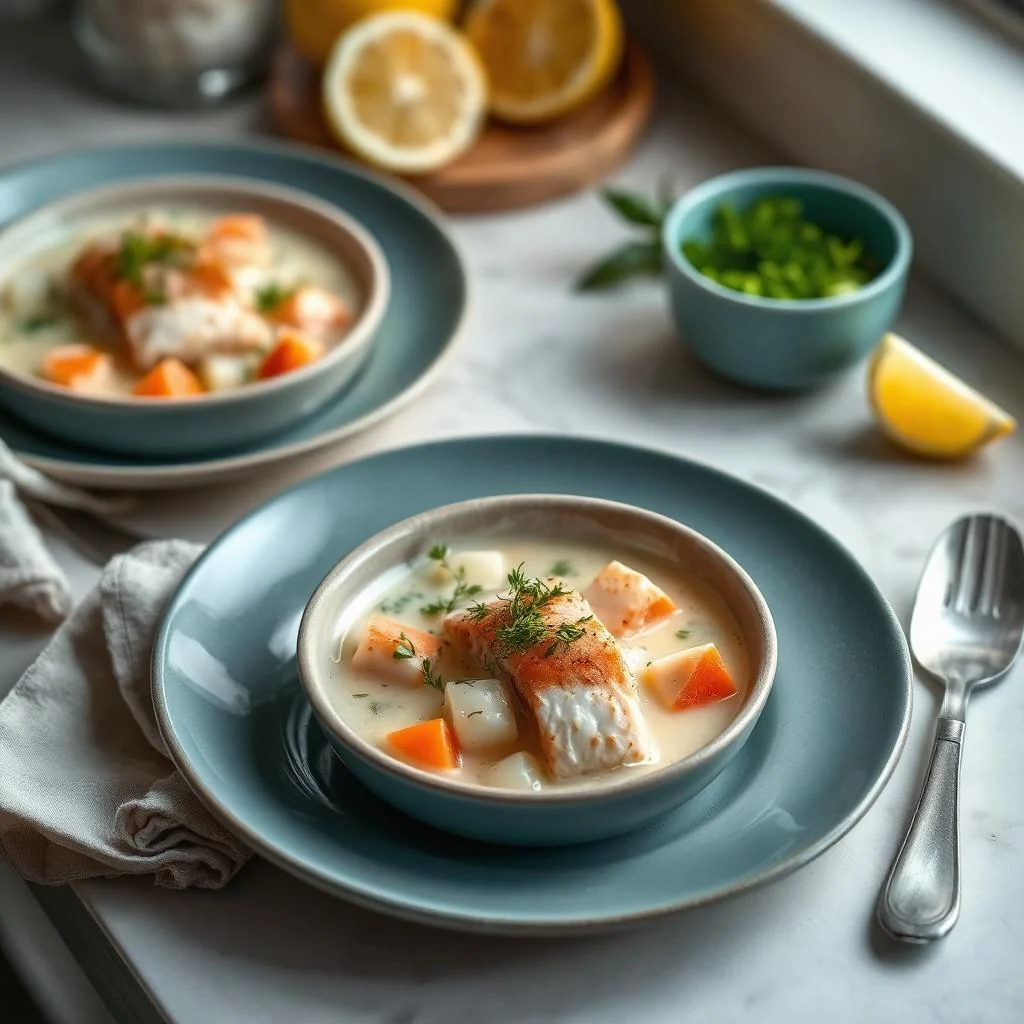
- 11Finally, enjoy your New Brunswick Salmon Chowder, savoring the combination of tender salmon, creamy potatoes, and the smoky depth of the bacon, all wrapped up in a rich and comforting broth.
Expert Tips
- Always pat the salmon dry with a paper towel before cooking to remove excess moisture. This helps the salmon cook more evenly and prevents it from steaming instead of searing.
- For a clearer broth, skim off any foam that rises to the surface during cooking. This will help to create a more visually appealing dish and prevent any bitterness from affecting the flavor.
- Don't overcook the salmon. It should flake easily with a fork but still retain its moisture. Overcooking can make the salmon dry and tough, ruining the overall texture of the chowder.
- Experiment with different types of fish or seafood for variations. Cod, haddock, and shrimp all work well in this recipe, offering different flavors and textures to explore.
- Consider making the fish stock from scratch for the most flavorful results. Homemade stock can be made ahead of time and frozen for future use, providing a convenient and cost-effective option.
- Use high-quality ingredients, especially the salmon and bacon, for the best flavor. Fresh and high-quality ingredients will always produce a better-tasting dish, making the extra cost well worth it.
- Don't be afraid to adjust the amount of cream to your liking. Some people prefer a lighter chowder, while others like it rich and creamy. Adjusting the cream content allows you to customize the dish to your taste preferences.
- Serve the chowder with a variety of sides, such as salads or roasted vegetables, for a well-rounded meal. This helps to balance the richness of the chowder and provides a more satisfying dining experience.
Common Mistakes to Avoid
- Overcooking the salmon, which can make it dry and tough. Always check the internal temperature and remove it from the heat as soon as it reaches 145 F (63 C).
- Not seasoning the dish enough. Taste and adjust the seasoning throughout the cooking process to ensure the flavors are balanced and vibrant.
- Using low-quality ingredients, which can significantly impact the flavor and texture of the dish. Choose the freshest and highest-quality ingredients you can find for the best results.
- Not letting the chowder rest before serving. This step is crucial for allowing the flavors to meld together and the broth to thicken, creating a more cohesive and appealing dish.
- Adding the cream too early, which can cause it to separate and the chowder to become too thick. Add the cream towards the end of the cooking process and heat it through gently to prevent separation.
- Not skimming the broth for a clearer chowder. Skim off any foam that rises to the surface during cooking to create a more visually appealing dish and prevent any bitterness from affecting the flavor.
Variations and Substitutions
- Add some diced bell peppers or carrots to the pot with the onion for added flavor and nutrition. These vegetables will cook down and blend into the broth, adding depth and complexity to the dish.
- Use different types of fish or seafood, such as cod or shrimp, for a change of pace. Each type of seafood will bring its own unique flavor and texture to the dish, offering a variety of options to explore.
- Add a can of diced tomatoes for a burst of acidity and flavor. Tomatoes will add a tangy and slightly sweet flavor to the chowder, balancing out the richness of the cream and the savory flavors of the seafood.
- Experiment with different herbs and spices, such as paprika or cayenne pepper, for added depth. These spices will add a smoky or spicy flavor to the dish, providing a unique twist on the classic recipe.
- Make it a seafood chowder by adding mussels, clams, or scallops. These seafood additions will bring a variety of textures and flavors to the dish, creating a hearty and satisfying meal.
- For a lighter version, reduce the amount of cream or substitute it with a non-dairy alternative. This will create a lower-calorie and lower-fat version of the dish, making it more accessible to those with dietary restrictions.
- Add some diced celery or fennel for a fresh and crunchy texture. These vegetables will add a fresh and anise-like flavor to the dish, providing a nice contrast to the richness of the chowder.
What to Serve With New Brunswick Salmon Chowder
New Brunswick Salmon Chowder is a versatile dish that can be served in a variety of ways. For a comforting meal, serve it with a side of crusty bread or crackers to soak up the flavorful broth. Alternatively, consider pairing it with a fresh salad or roasted vegetables for a lighter and more balanced meal.
The chowder also makes a great base for other dishes. Try serving it over rice or with a side of garlic bread for a more filling meal. You could also use it as a topping for baked potatoes or as a filling for bread bowls. The possibilities are endless, and the chowder's rich and creamy texture makes it a great addition to many different meals.
Make-Ahead, Storage, Freezing and Reheating
One of the best things about New Brunswick Salmon Chowder is its ability to be made ahead of time. You can prepare the ingredients and cook the chowder up to a day in advance, then refrigerate or freeze it until you're ready to serve. When reheating, make sure to heat it gently over low heat, stirring occasionally, to prevent the cream from separating and the chowder from becoming too thick.
If you plan to freeze the chowder, it's best to do so before adding the cream. Simply thaw the chowder overnight in the refrigerator, then reheat it and stir in the cream just before serving. This will help to preserve the texture and flavor of the cream, creating a dish that's just as delicious as when it was first made.
When storing the chowder in the refrigerator, make sure to cool it to room temperature first to prevent the formation of bacteria. Then, transfer it to an airtight container and refrigerate for up to 3 days. If you don't plan to eat it within that timeframe, consider freezing it for later use. The chowder will keep in the freezer for up to 3 months, making it a great option for meal prep or future meals.
Reheating the chowder is easy and can be done in a variety of ways. You can reheat it on the stovetop over low heat, stirring occasionally, or in the microwave in short increments, stirring between each heating. Just be careful not to overheat the chowder, as this can cause the cream to separate and the dish to become too thick. With a little care and attention, you can enjoy your New Brunswick Salmon Chowder at its best, even after refrigeration or freezing.
Frequently Asked Questions
What type of salmon is best for this recipe?
For New Brunswick Salmon Chowder, you can use any type of salmon fillet, but Atlantic or Pacific salmon works best. Look for fresh, sustainable options for the best flavor and texture.
Can I use frozen salmon?
Yes, you can use frozen salmon, but fresh will always give the best flavor and texture. If using frozen, make sure to thaw it first and pat it dry before cooking to remove excess moisture.
How do I prevent the cream from separating?
To prevent the cream from separating, heat it gently and stir constantly when adding it to the chowder. Avoid boiling the chowder after adding the cream, as this can cause it to separate and become too thick.
Can I make this recipe ahead of time?
Yes, you can make the chowder ahead of time, but it's best to add the cream just before serving. You can prepare the ingredients and cook the chowder up to a day in advance, then refrigerate or freeze it until you're ready to serve.
What are some good sides to serve with this chowder?
Some good sides to serve with New Brunswick Salmon Chowder include crusty bread, salads, roasted vegetables, or even baked potatoes. The chowder's rich and creamy texture makes it a great pairing for a variety of dishes.
Can I freeze the chowder?
Yes, you can freeze the chowder, but it's best to do so before adding the cream. Simply thaw the chowder overnight in the refrigerator, then reheat it and stir in the cream just before serving.
How long does the chowder keep in the refrigerator?
The chowder will keep in the refrigerator for up to 3 days. Make sure to cool it to room temperature first to prevent the formation of bacteria, then transfer it to an airtight container and refrigerate.
Can I make this recipe in a slow cooker?
Yes, you can make this recipe in a slow cooker. Simply cook the ingredients on low for 2-3 hours, then stir in the cream and serve. This is a great option for a hands-off meal that's ready when you are.
Ingredients
- 1 lb (450g) salmon fillet, skin removed
- 6 slices of bacon, diced
- 1 large onion, diced
- 3 cloves of garlic, minced
- 2 medium potatoes, peeled and diced
- 1 cup fish stock
- 1/2 cup heavy cream
- 1 teaspoon dried thyme
- 1/2 teaspoon salt
- 1/4 teaspoon black pepper
- 2 tablespoons butter
- 2 tablespoons chopped fresh parsley
Instructions
- Start by preparing your ingredients. Dice the bacon, onion, and potatoes, and mince the garlic. This step is crucial for ensuring even cooking and a smooth texture in the final dish.
- In a large pot or Dutch oven, cook the diced bacon over medium heat until it's crispy. Remove the bacon from the pot with a slotted spoon and set it aside on a paper towel-lined plate. Leave the grease in the pot as it will add flavor to the chowder.
- Add the diced onion to the pot and cook until it's softened and translucent, about 5 minutes. Add the minced garlic and cook for another minute, stirring constantly to prevent burning.
- Add the diced potatoes, fish stock, and cooked bacon back into the pot. Bring the mixture to a boil, then reduce the heat to low and simmer for about 15 minutes, or until the potatoes are tender.
- While the potatoes are cooking, prepare the salmon. Cut it into large chunks and season with salt, pepper, and thyme. When the potatoes are done, add the salmon to the pot and cook until it reaches 145 F (63 C) as checked with an instant-read thermometer in the thickest part.
- Once the salmon is cooked, stir in the heavy cream and let it heat through for a couple of minutes. Be careful not to let it boil, as this can cause the cream to separate and the chowder to become too thick.
- Remove the pot from the heat and let the chowder rest for a few minutes. This allows the flavors to meld together and the broth to thicken slightly, creating a more cohesive dish.
- Just before serving, stir in the butter until it's fully incorporated and the chowder is creamy and rich. Taste and adjust the seasoning as needed.
- Serve the chowder hot, garnished with chopped fresh parsley and a side of crusty bread or crackers. The parsley adds a freshness and a pop of color to the dish, while the bread or crackers provide a satisfying crunch.
- For an added touch, consider serving the chowder in bread bowls or with a side salad for a more filling meal. This also helps to soak up the flavorful broth and adds variety to the meal.
- Finally, enjoy your New Brunswick Salmon Chowder, savoring the combination of tender salmon, creamy potatoes, and the smoky depth of the bacon, all wrapped up in a rich and comforting broth.