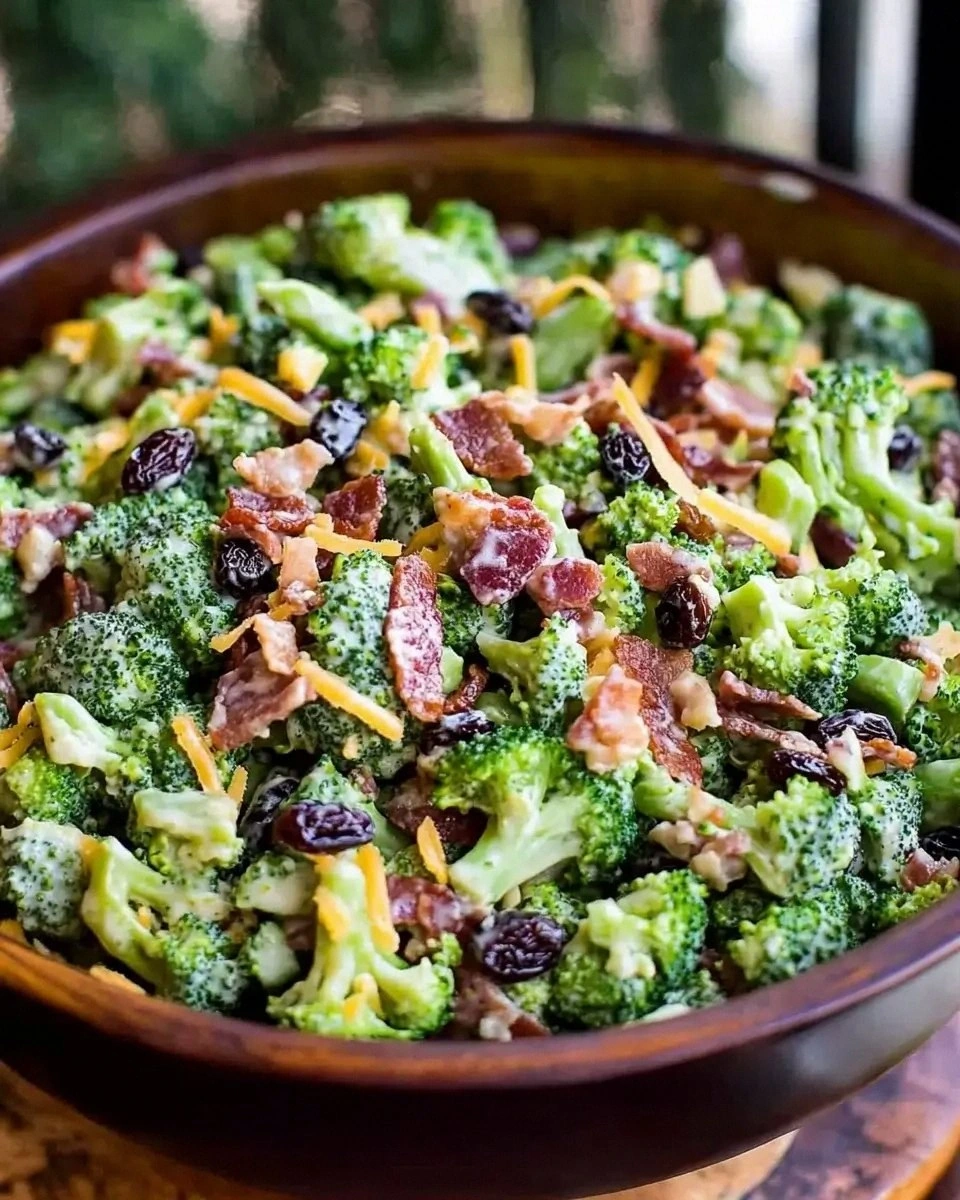
Picture this: I was standing in my cramped kitchen, surrounded by a mess of raw vegetables and a stubborn oven that seemed to mock me. I had just tried to make a simple roasted squash dish, but the result was a sad, dry mess that looked more like a charcoal sculpture than a meal. The disaster was a catalyst, turning a culinary blunder into a mission to discover the perfect maple‑roasted squash and kale salad. I vowed to create a version so delicious it would make anyone who tasted it question why they ever settled for bland. This is the story behind the recipe that has become my secret weapon for impressing guests. Let me walk you through every single step — by the end, you'll wonder how you ever made it any other way.
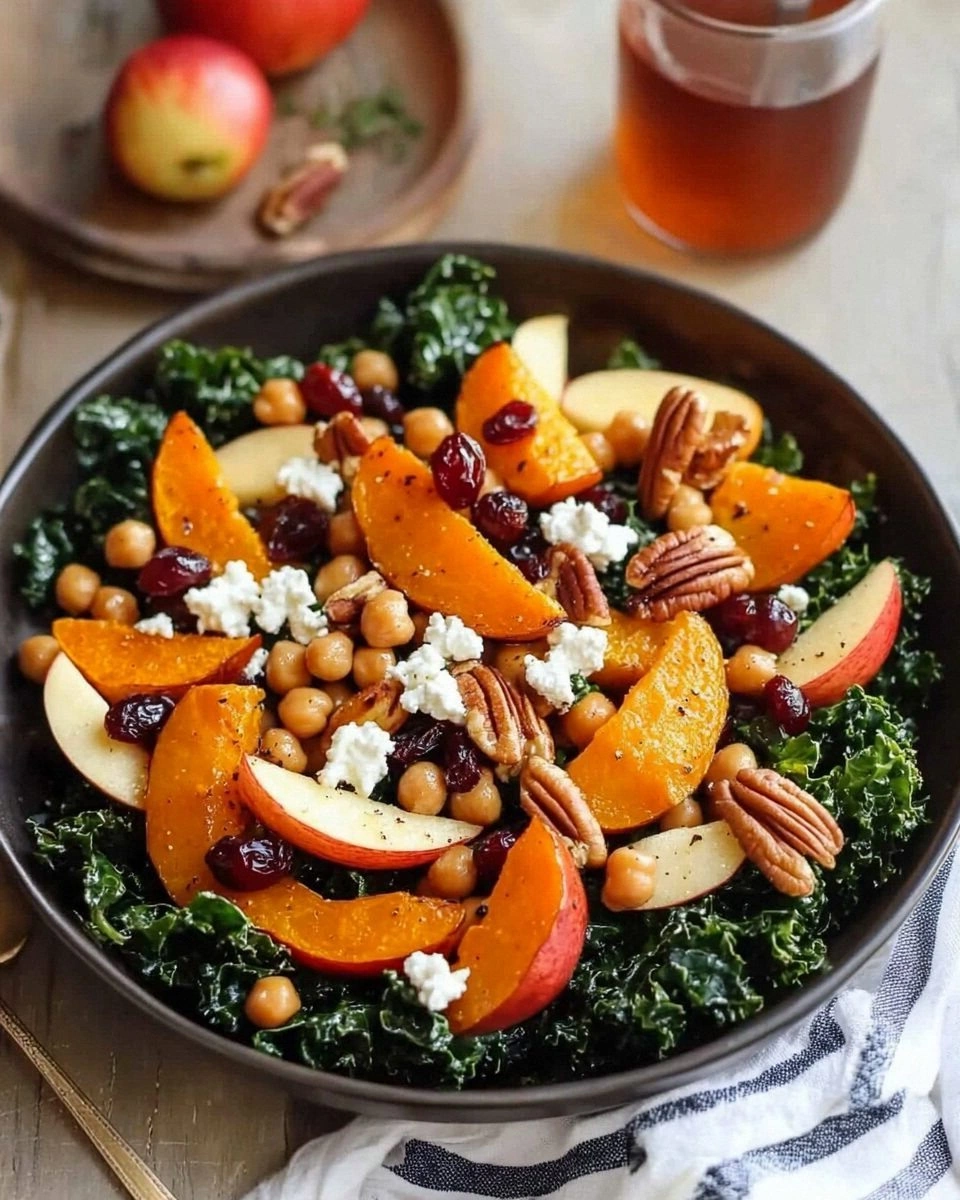
Imagine the first bite: the squash is caramelized to a buttery caramel hue, its flesh tender yet firm, and the kale offers a satisfying, slightly bitter crunch that balances the sweetness. The aroma is a warm, comforting blend of maple syrup, roasted garlic, and a hint of toasted nuts that instantly transports you to a cozy autumn kitchen. As you chew, the maple glaze coats each bite like velvet, while the kale’s subtle peppery bite provides a counterpoint that keeps the palate engaged. The sound of the salad being tossed is a gentle rustle that feels almost therapeutic, a reminder that cooking can be both creative and calming. The texture is a delightful contrast: the squash melts in your mouth, the kale remains crisp, and the walnuts add a satisfying crunch. You can almost taste the sunshine in the squash and the earthiness of the kale, creating a symphony of flavors that dance on your tongue.
This version stands out because it marries the natural sweetness of maple with the earthy depth of kale in a way that most recipes miss. The key lies in roasting the squash at a high temperature to create caramelized edges that shatter like thin ice when you bite into them. The addition of toasted walnuts not only adds protein but also introduces a nutty aroma that elevates the dish to a gourmet level. The balance of acidity from lemon juice cuts through the richness, giving the salad a bright, fresh finish that makes it perfect for any season. Most recipes get this completely wrong by over‑sautéing the kale, but here we lightly blanch it to preserve its vibrant green color and crunch. The result is a dish that is both visually stunning and irresistibly flavorful, making it a showstopper at any gathering.
Now, here’s a little secret that will blow your mind: I use a splash of maple syrup in the roasting pan to create a glaze that locks in moisture and gives the squash a glossy finish. This simple trick turns an ordinary roast into a caramelized masterpiece that practically slides off the spoon. I also fold in a handful of dried cranberries at the end to add a pop of tart sweetness that cuts through the richness. Trust me, once you taste this, you’ll dare you to taste this and not go back for seconds. Picture yourself pulling this out of the oven, the whole kitchen smelling incredible, and then watching the guests’ eyes widen as they take their first bite. Stay with me here — this is worth it.
What Makes This Version Stand Out
- Sweetness: The maple syrup caramelizes the squash, creating a glossy glaze that feels like a caramel drizzle on a dessert.
- Crunch: The kale is lightly blanched then tossed with toasted walnuts, giving a satisfying snap that contrasts the soft squash.
- Balance: A splash of lemon juice cuts through the sweetness, ensuring the salad remains bright and not cloying.
- Texture: The roasted edges of the squash produce a slight crackle when you bite, reminiscent of thin ice shattering.
- Visual Appeal: The vibrant green kale against the golden squash and pops of cranberry create a dish that looks as good as it tastes.
- Make‑ahead Friendly: The salad keeps its texture for up to 48 hours when stored properly, making it perfect for busy weeknights.
Alright, let's break down exactly what goes into this masterpiece…
Inside the Ingredient List
The Flavor Base
Butternut squash is the star of the show; its natural sweetness amplifies the maple glaze and provides a hearty, comforting bite. Maple syrup, when combined with olive oil, creates a sweet‑savory coating that caramelizes beautifully at high heat. Garlic adds a savory depth that balances the sweetness, while a splash of lemon juice introduces acidity that brightens the dish. Skipping any of these would leave the salad feeling flat or overly sweet; each component is essential for the harmonious flavor profile.
When selecting squash, choose a firm, unblemished piece with a deep orange flesh; this ensures even roasting and a rich flavor. If you prefer a sweeter profile, you can add a pinch of cinnamon to the squash before roasting, but be careful not to overpower the maple. Olive oil not only helps the glaze adhere but also brings a subtle fruity note that complements the maple. A good quality extra‑virgin olive oil will elevate the entire dish, so invest in a reputable brand.
The Texture Crew
Kale is the perfect green companion, offering a peppery bite that contrasts the sweet squash. Blanching the kale for a short period preserves its vibrant color and crunch, preventing it from becoming limp. Walnuts add a protein boost and a nutty aroma, while dried cranberries introduce a tart sweetness that cuts through the richness. Together, these ingredients create layers of texture that keep each bite interesting and satisfying.
Choose kale with sturdy stems and dark green leaves for the best texture; baby kale works well if you prefer a milder flavor. Toast the walnuts in a dry pan until fragrant; this enhances their nutty profile and prevents them from becoming soggy. If you’re short on time, you can use pre‑toasted walnuts from the grocery store, but homemade is always superior. The cranberries should be unsweetened to maintain a balanced sweet‑tart profile; if you like a sweeter bite, add a few dried blueberries instead.
The Unexpected Star
Crumbled feta adds a salty, tangy counterpoint that cuts through the sweetness and richness of the maple glaze. The cheese’s crumbly texture provides a delightful contrast to the smooth squash and crisp kale. If you’re looking for a dairy‑free option, goat cheese or a plant‑based feta substitute works wonderfully. Adding the cheese at the end preserves its shape and ensures it doesn’t melt into the salad, keeping each bite distinct.
When selecting feta, choose a block that has a firm texture and a balanced salt level; a too‑salty feta will dominate the dish. If you prefer a milder flavor, use a reduced‑salt version and adjust the seasoning accordingly. The cheese also adds a subtle creaminess that balances the bright acidity from the lemon juice. A sprinkle of fresh herbs, such as parsley or basil, can elevate the dish further by adding a fresh, herbal note.
Everything's prepped? Good. Let's get into the real action…
The Method — Step by Step
- Preheat the oven to 425°F (220°C) and line a large baking sheet with parchment paper; this ensures even roasting and easy cleanup. Spread the diced squash in a single layer, making sure the pieces aren’t overcrowded, which would cause steaming instead of caramelizing. The high temperature will give the squash that coveted golden edge that feels almost like a caramelized sugar crust. Keep an eye on the squash, as it can go from perfect to over‑roasted in just a few minutes. If you notice the edges darkening too quickly, slide the sheet to a cooler part of the oven. This step sets the foundation for the rest of the dish.
- In a small bowl, whisk together 2 tablespoons of maple syrup, 2 tablespoons of olive oil, 1 minced clove of garlic, 1 teaspoon of salt, and ½ teaspoon of black pepper; the mixture should be glossy and slightly thick. Toss the squash with this glaze until each cube is evenly coated, ensuring maximum flavor absorption. The maple syrup will create a sweet, sticky coating that caramelizes beautifully when exposed to the oven’s heat. The garlic adds a savory depth that balances the sweetness, while the salt and pepper enhance the overall taste. The olive oil helps the glaze stick and adds a subtle fruity note. Once the squash is coated, spread it out on the prepared baking sheet.
- Place the baking sheet in the preheated oven and roast the squash for 25 minutes, turning once halfway through; the squash should be tender inside with caramelized edges. Use a silicone spatula to flip the cubes gently, which helps them roast evenly without breaking apart. The sugar in the maple syrup will brown, creating a glossy finish that feels almost like a caramel drizzle on a dessert. If you want a deeper caramelization, you can add a teaspoon of brown sugar to the glaze before roasting. Keep the oven door slightly ajar if you notice the glaze drying out too quickly. This step is where the dish really starts to develop its signature flavor.
- While the squash roasts, prepare the kale: remove the stems, tear the leaves into bite‑size pieces, and place them in a large pot of boiling salted water; blanch for 30 seconds, then immediately transfer to an ice bath to halt the cooking process. This quick blanching preserves the kale’s vibrant green color and crisp texture, preventing it from becoming limp or bitter. Once the kale is cooled, squeeze out any excess moisture by pressing it between your fingers or using a clean towel; excess water will dilute the flavors. Toss the kale with 1 tablespoon of lemon juice, 1 teaspoon of salt, and ½ teaspoon of pepper to brighten the dish and balance the sweetness of the maple glaze. The lemon juice also helps keep the kale from oxidizing and turning dull green. This step ensures that the kale remains fresh and lively.
- In a small bowl, combine ¼ cup of toasted walnuts and ¼ cup of dried cranberries; this mix adds crunch, protein, and a sweet‑tart burst that complements the maple‑sweetened squash. Toast the walnuts in a dry skillet over medium heat until fragrant, stirring frequently to prevent burning. The cranberries should remain unsweetened to maintain a balanced profile; if you prefer a sweeter bite, add a few dried blueberries instead. Keep the walnut‑cranberry mixture aside until the squash is ready; this timing keeps the nuts crisp and the cranberries plump. This little addition turns the dish from simple to extraordinary.
- When the squash is done, remove the sheet from the oven and let the cubes rest for a few minutes; this allows the glaze to set and the flavors to meld. While the squash rests, add the toasted walnuts and cranberries to the bowl, ensuring they remain crisp. If you add the nuts too early, they can soften and lose their crunch. Gently toss the squash with the walnut‑cranberry mix to distribute the flavors evenly. The resting period also gives the squash a chance to cool slightly, making it easier to handle. This step is crucial for maintaining the salad’s texture.
- In a large mixing bowl, combine the roasted squash, blanched kale, walnut‑cranberry mix, and ¼ cup of crumbled feta; toss gently until everything is evenly coated. The feta adds a salty, tangy contrast that cuts through the sweetness of the maple glaze. If you prefer a dairy‑free version, replace feta with a plant‑based crumble; the texture will be similar, and the flavor will still be delicious. The mixing should be done gently to keep the kale crisp and the feta from breaking apart. This step brings all the elements together into a harmonious dish. Serve immediately or chill for a few minutes if you prefer a cooler salad.
- Serve the salad immediately, garnishing with extra feta or a sprinkle of lemon zest if desired; the fresh citrus aroma will lift the dish even further. If you’re preparing ahead, keep the components separate until you’re ready to serve; this keeps the kale crisp and the walnuts crunchy. The salad can be served over a bed of mixed greens or alongside grilled chicken for a complete meal. The bright, sweet, and savory flavors will satisfy any palate, from casual diners to gourmet enthusiasts. Enjoy the moment when the first bite hits the tongue, and let the flavors unfold.
Insider Tricks for Flawless Results
The Temperature Rule Nobody Follows
Many chefs think 400°F is enough for roasting, but 425°F (220°C) is the sweet spot that caramelizes the maple glaze without burning the sugar. The higher temperature creates a quick Maillard reaction, giving the squash that coveted golden crust. If your oven runs hot, lower the temperature slightly to avoid scorching. This trick ensures the squash remains juicy inside while the edges become irresistibly crisp. The result is a salad that feels like a dessert and a main dish at the same time.
Why Your Nose Knows Best
Before you add the lemon juice, take a quick sniff of the roasted squash; if it smells sweet and caramelized, you’re on the right track. The aroma of maple and roasted sugar is a clear indicator that the glaze has set properly. If the smell is more like burnt sugar, give the squash a minute or two longer. Trusting your nose prevents over‑cooking and guarantees the perfect balance of sweet and savory. A quick sniff test saves you from a culinary mishap.
The 5‑Minute Rest That Changes Everything
Letting the roasted squash rest for five minutes after removing it from the oven allows the glaze to thicken and the flavors to meld. During this rest, the sugars settle, giving the dish a smoother mouthfeel. If you skip this step, the glaze can be too runny, causing the salad to feel soggy. The rest period also cools the squash slightly, making it easier to handle and preventing the kale from steaming. It’s a small pause that makes a big difference.
The Perfect Toss
When tossing the salad, use a large wooden spoon or a salad spinner to keep the ingredients from breaking apart. Toss gently to preserve the crispness of the kale and the crumble of the feta. A light toss ensures every bite receives the maple glaze, lemon zest, and walnut crunch. This simple motion keeps the salad cohesive and visually appealing. A well‑tossed salad is the hallmark of a professional chef.
Keep the Kale Crisp
Blanching the kale for exactly 30 seconds is critical; too short and it will be raw, too long and it will turn mushy. Use an ice bath to stop the cooking process instantly, preserving the bright green color. Squeeze out all excess water before tossing with the lemon juice; moisture will dilute the flavors. If you’re in a hurry, use pre‑washed, bagged kale and skip the blanching; just rinse it thoroughly and pat dry. The key is to keep the kale crisp and fresh.
Creative Twists and Variations
This recipe is a playground. Here are some of my favorite ways to switch things up:
Sweet & Spicy Twist
Add a pinch of crushed red pepper flakes to the maple glaze for a subtle heat that balances the sweetness. Substitute the maple syrup with honey for a different floral note. The combination of sweet, spicy, and savory makes this version a hit at parties where people love a little kick.
Mediterranean Flair
Swap the feta for goat cheese and sprinkle chopped fresh oregano over the salad. Replace the walnuts with toasted pine nuts for a subtler nutty flavor. Finish with a drizzle of extra‑virgin olive oil and a squeeze of fresh lemon for a classic Mediterranean vibe.
Protein‑Packed Power
Add grilled chicken or chickpeas for a filling, protein‑rich version that works as a main course. Toss the protein with a splash of balsamic vinegar to complement the maple glaze. This variation turns the salad into a hearty, balanced meal that satisfies even the biggest appetites.
Vegan Version
Replace the feta with a plant‑based crumble or nutritional yeast for a cheesy flavor. Use a vegan maple syrup alternative, such as agave nectar, to keep the dish sweet. This version is dairy‑free but still delivers that caramelized, savory crunch.
Breakfast Boost
Serve the salad over a bed of sautéed spinach and top with a fried egg for a protein‑rich breakfast. Add a sprinkle of pumpkin seeds for extra crunch. The maple glaze pairs beautifully with the savory egg, creating a breakfast that feels indulgent yet healthy.
Storing and Bringing It Back to Life
Fridge Storage
Store the salad in an airtight container for up to 48 hours; the kale remains crisp and the maple glaze stays glossy. Keep the nuts and cranberries separate until serving to maintain their crunch. When you’re ready to eat, give the salad a quick toss to redistribute the flavors. The salad’s vibrant colors will still shine after refrigeration, making it a convenient make‑ahead option.
Freezer Friendly
For longer storage, keep the roasted squash and kale separate in freezer bags; freeze for up to 3 months. Reheat the squash in a microwave for 1–2 minutes, then toss with fresh kale and the walnut‑cranberry mix. The maple glaze will thicken slightly, so add a splash of maple syrup if desired. Freezing preserves the texture and flavor, making it a great option for busy weeks.
Best Reheating Method
Reheat the salad in a skillet over medium heat, adding a tiny splash of water or maple syrup to keep it moist; this steams the vegetables back to life without drying them out. Stir gently until the heat is evenly distributed. The maple glaze will coat each bite like velvet, and the kale will regain its bright green hue. Serve immediately for the best texture and flavor.