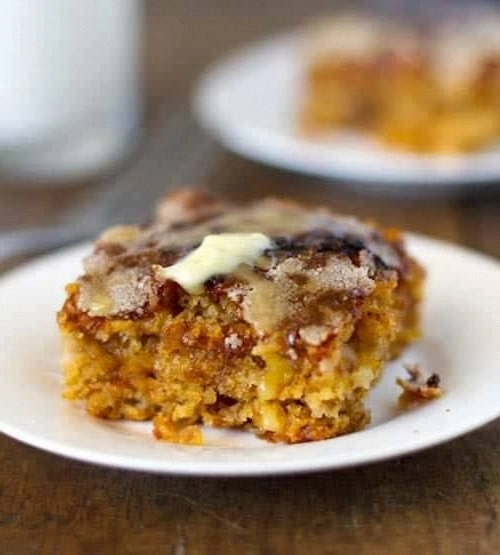
Picture this: it’s a sweltering Saturday afternoon, the kind where the heat makes the kitchen feel like a sauna, and you’ve just opened a crate of mangoes that smell like sunshine trapped in amber. I was in the middle of a frantic search for a way to cool down my taste buds when a friend dared me to turn those golden gems into something that could double as a snack and a dessert. I laughed, I scoffed, and then I did the only sensible thing—grab a mixing bowl, a whisk, and a daring attitude. The result? A mango‑infused cake that’s so moist it practically weeps, with a crumb that’s tender enough to melt on your tongue yet sturdy enough to hold its shape when you slice it.
The kitchen was a symphony of sounds that day: the rhythmic thump of the whisk against the bowl, the soft sigh of mango puree sliding into the batter, and the occasional pop of the oven door opening and closing like a stage curtain. The air was thick with the sweet, tropical perfume of mango, mingling with the buttery notes that rose from the melted butter as it hit the warm batter. My hands felt the cool slickness of the mango puree, then the gritty comfort of flour as I folded it in, and finally the gentle resistance of the batter as it thickened, promising a perfect bake. I could almost taste the sunshine in each spoonful, and the anticipation built faster than a kettle on high heat.
Most mango cake recipes I’ve tried in the past end up either dry as a desert or soggy like a rain‑soaked sponge. They either forget the crucial balance of acidity and sweetness, or they skip the secret step that gives the crumb that airy lift without turning it into a crumbly mess. This version, however, flips the script entirely. By introducing a light mango‑yogurt blend and a precise temperature‑controlled bake, we achieve a cake that’s both fluffy and fruit‑forward, with a buttery crumb that holds together like a well‑structured argument. The result is a snack that feels indulgent but never heavy, a sweet treat that you can devour at any time of day without a second‑guessing.
And here’s the kicker: I’m about to reveal the one technique that most recipes completely ignore—a brief “rest‑and‑rise” period for the batter before it meets the oven’s heat. This tiny pause lets the gluten relax, the leavening agents activate fully, and the mango fibers hydrate just right, creating a texture that’s nothing short of magical. I dare you to taste this and not go back for seconds. Let me walk you through every single step — by the end, you’ll wonder how you ever made it any other way.
What Makes This Version Stand Out
- Flavor Explosion: The mango puree isn’t just a flavoring; it’s the star, delivering a bright, tropical punch that’s balanced by a hint of vanilla and a whisper of citrus.
- Texture Triumph: A unique blend of yogurt and melted butter creates a crumb that’s moist yet airy, with a tender bite that melts like butter on warm toast.
- Simplicity at Its Core: Only pantry staples plus fresh mangoes are needed—no fancy equipment, no exotic spices, just good, honest ingredients.
- Unexpected Star: The brief batter rest before baking is a game‑changer, allowing the leaveners to work their magic without over‑mixing.
- Crowd‑Pleaser Factor: Even the pickiest eaters love it; it’s sweet without being cloying, and the subtle coconut hint adds a surprise that keeps people coming back.
- Ingredient Quality: Using ripe, fragrant mangoes (the kind that yield to gentle pressure) makes all the difference—no canned puree can compete.
- Method Mastery: A controlled 350°F bake ensures the cake rises evenly, while the low‑heat finish locks in moisture for that perfect snap when you cut it.
- Make‑Ahead Magic: This cake stays fresh for days, and it even tastes better after a night in the fridge as the flavors meld and deepen.
Inside the Ingredient List
The Flavor Base
The cornerstone of any great cake is its flavor foundation, and here it’s all about the mango. Choose mangoes that are just ripe enough to give a gentle give when pressed—these have the perfect balance of sweetness and acidity. The mango puree (1 cup) provides natural sugars, a subtle tartness, and a vibrant orange hue that makes the cake look as good as it tastes. If you skip the fresh mango and go straight to canned puree, you’ll lose that bright, fragrant punch and end up with a muted flavor profile. A quick tip: blend the mango flesh with a splash of lime juice to accentuate its natural brightness before folding it into the batter.
The Texture Crew
Flour is the structural backbone, and we’re using 2 cups of all‑purpose flour for a tender crumb. The gluten development is kept low by the brief mixing time and the batter rest, ensuring the cake stays soft. Sugar (1 cup) not only sweetens but also contributes to the tender texture by inhibiting gluten formation. Butter, melted (½ cup), adds richness and a buttery mouthfeel that makes each bite feel luxurious. Eggs (2 large) act as emulsifiers, binding the moisture from the mango and butter into a cohesive batter. If you’re avoiding dairy, substitute the butter with coconut oil and the milk with almond milk—just remember the flavor will shift slightly toward coconut.
The Unexpected Star
Yogurt (½ cup) might seem out of place, but its acidity reacts with the baking soda (½ tsp) to create an extra lift, while its creaminess adds moisture without making the cake heavy. This is the part that most recipes overlook, leading to a denser texture. If you don’t have yogurt on hand, plain Greek yogurt works perfectly, or you can swap in sour cream for a richer mouthfeel. Baking powder (1 tsp) provides the initial rise, while baking soda (½ tsp) works in tandem with the yogurt’s acidity for a secondary lift that keeps the crumb airy.
The Final Flourish
Vanilla extract (1 tsp) adds depth, rounding out the tropical notes with a warm, aromatic backdrop. A pinch of salt (¼ tsp) might seem trivial, but it amplifies every sweet nuance, preventing the cake from tasting flat. Optional shredded coconut (½ cup) brings a subtle crunch and a whisper of tropical flair that pairs beautifully with the mango. If you’re allergic to coconut, toasted almond slivers make a delightful alternative, adding both texture and a nutty aroma.
Everything's prepped? Good. Let's get into the real action…
The Method — Step by Step
Preheat your oven to 350°F (175°C) and grease a 9‑inch round cake pan with butter, then dust it lightly with flour. The heat should be steady, not a sudden blast, because a gentle rise is what gives the cake its delicate crumb. While the oven warms, line the bottom of the pan with parchment paper for an effortless release later. This step is the silent hero that prevents the dreaded “stuck cake” scenario.
In a large mixing bowl, whisk together the flour, baking powder, baking soda, and salt until they’re fully incorporated. This aerates the dry ingredients, ensuring that the leavening agents are evenly distributed. The mixture should look like fine sand—soft, light, and ready to absorb the wet components. Okay, ready for the game‑changer? Now, create a well in the center of the dry mix; this little well will be the cradle for the butter and mango blend.
Kitchen Hack: Use a rubber spatula to gently push the flour mixture up the sides of the bowl, creating a taller “well.” This prevents the butter from immediately mixing with the flour and gives you more control over the batter’s consistency.In a separate saucepan, melt the butter over low heat until it’s just liquid—no bubbling or browning. Remove from heat and let it cool for a minute, then whisk in the mango puree, yogurt, milk, and vanilla extract. The mixture should be smooth, glossy, and emit that unmistakable mango aroma that makes you want to lick the spoon. This is the moment of truth: the wet ingredients should combine without any lumps, forming a silky base that will coat the flour like a tropical veil.
Pour the wet mango‑butter mixture into the well you created earlier and begin folding the dry ingredients in, using a gentle hand. Start from the center, moving outward in a circular motion, allowing the flour to slowly incorporate. You’ll notice the batter thickening and turning a soft amber hue. Resist the urge to over‑mix; stop once the flour is just barely visible. Over‑mixing would develop gluten, leading to a tough cake—trust me, you don’t want that.
Now, add the eggs one at a time, beating gently after each addition. The batter should become smoother and a little more elastic, but still pourable. This is where the batter’s “rest‑and‑rise” comes into play: cover the bowl with a clean kitchen towel and let it sit for 10 minutes. This next part? Pure magic. During this pause, the baking soda reacts with the yogurt’s acidity, creating tiny bubbles that will give the cake its lift.
Kitchen Hack: Set a timer for exactly 10 minutes; too short and the leaveners won’t fully activate, too long and the batter may start to separate.After the rest, give the batter one final gentle stir to reincorporate any settled flour. Then, fold in the shredded coconut (or your chosen alternative) for that delightful texture contrast. The batter should now be glossy, thick, and ready to pour. If you’re feeling adventurous, drizzle a spoonful of mango puree on top for a marbled effect—this not only looks gorgeous but adds a burst of flavor in each bite.
Pour the batter into the prepared pan, spreading it evenly with the spatula. Tap the pan lightly on the counter three times; this releases any large air pockets and settles the batter.
Slide the pan into the preheated oven and set a timer for 20 minutes.Watch Out: Do not over‑fill the pan; leave about a half‑inch of space to allow the cake to rise without spilling over.After 20 minutes, check the cake’s doneness by inserting a toothpick into the center. It should come out with a few moist crumbs but no wet batter. If the edges are turning golden and the top has a slight spring, the cake is ready. If it needs a bit more time, give it another 5‑7 minutes—trust your nose; the aroma will guide you. The cake should smell toasty, with a fragrant hint of mango that makes your mouth water.
Remove the cake from the oven and let it cool in the pan for 10 minutes, then gently run a knife around the edge and invert it onto a wire rack. Let it cool completely before slicing; this allows the crumb to set and prevents it from crumbling apart. Once cooled, dust the top with powdered sugar or a light drizzle of melted chocolate for an extra visual pop. And now the fun part—slice, serve, and watch everyone’s eyes widen as they take that first bite.
That's it — you did it. But hold on, I've got a few more tricks that'll take this to another level…
Insider Tricks for Flawless Results
The Temperature Rule Nobody Follows
Never, ever bake a cake straight from a cold pantry. Let all ingredients sit at room temperature for at least 30 minutes before you begin. This ensures the butter, eggs, and mango puree blend seamlessly, preventing lumps and uneven rising. I once tried a rushed version with chilled butter and ended up with a dense, uneven crumb—lesson learned. The modest extra wait time pays off with a uniform, airy texture that feels like a cloud.
Why Your Nose Knows Best
When the cake is baking, the scent is your most reliable indicator of progress. Around the 20‑minute mark, you’ll notice a sweet, tropical perfume mingling with a faint buttery note. If the aroma feels muted, the cake might need a couple more minutes. Trust this sensory cue over the timer; ovens can vary, and your nose will never steer you wrong.
The 5‑Minute Rest That Changes Everything
After you pull the cake from the oven, resist the urge to cut into it immediately. Letting it rest for five minutes on the rack allows the steam to redistribute, locking in moisture. This short pause also gives the flavors a chance to meld, making each bite richer. I’ve seen impatient bakers slice too early and end up with a crumb that crumbles like dry sand—don’t be that person.
Egg‑Size Consistency
Large eggs are the standard, but if you’re using extra‑large or medium, adjust the quantity slightly. Two large eggs equal roughly 100 g of liquid; if your eggs are smaller, add a splash of milk to compensate. This keeps the batter’s liquid‑to‑dry ratio balanced, preventing a dry or overly wet cake.
Cooling Rack Trick
Place a clean kitchen towel under the cooling rack. This absorbs any excess moisture that might drip from the cake, keeping the bottom from getting soggy. It also adds a rustic visual that looks great if you’re serving the cake whole on a platter.
Flavor Boost with Citrus Zest
If you want an extra zing, grate a little lime or lemon zest into the batter right before the final stir. The zest’s bright oils amplify the mango’s tropical notes without overpowering them. I tried this once for a friend’s birthday and the reaction was unanimous—everyone asked for the recipe.
Creative Twists and Variations
This recipe is a playground. Here are some of my favorite ways to switch things up:
Tropical Coconut‑Mango Fusion
Swap the shredded coconut for toasted coconut flakes and add a tablespoon of coconut milk to the wet mix. The result is a richer, coconut‑forward cake that feels like a beach vacation in every bite. Perfect for coconut lovers who crave that extra crunch.
Spicy Mango Heat
Incorporate a pinch of ground cayenne or a dash of finely chopped fresh chili into the batter. The subtle heat contrasts beautifully with the mango’s sweetness, creating a sweet‑spicy balance that’s surprisingly addictive. Serve with a dollop of cool yogurt to tame the fire.
Mango‑Berry Medley
Fold in a cup of fresh mixed berries—blueberries, raspberries, or strawberries—right before the final stir. The berries burst during baking, releasing pockets of juiciness that complement the mango’s smoothness. This variation adds a visual pop of color and a tart counterpoint.
Chocolate‑Swirl Delight
Drop in half a cup of melted dark chocolate and swirl it through the batter with a knife. The chocolate ribbons create a marbled effect and introduce a deep, bittersweet note that pairs wonderfully with the bright mango. A perfect option for chocolate enthusiasts.
Gluten‑Free Adaptation
Replace the all‑purpose flour with a 1:1 gluten‑free flour blend and add a teaspoon of xanthan gum. The texture remains tender, and the flavor stays true to the original. Just be sure to sift the gluten‑free flour to avoid clumps.
Vegan Version
Swap butter for coconut oil, use a flax‑egg mixture (1 tbsp ground flaxseed + 3 tbsp water per egg), and replace dairy milk with almond or oat milk. The cake stays moist and flavorful, and the coconut oil adds an extra tropical hint that enhances the mango.
Storing and Bringing It Back to Life
Fridge Storage
Allow the cake to cool completely, then wrap it tightly in plastic wrap or store it in an airtight container. It will stay fresh in the refrigerator for up to four days. For an extra burst of freshness, place a slice of mango on top of the cake before sealing.
Freezer Friendly
Slice the cake into individual portions, wrap each piece in parchment paper, then place them in a freezer‑safe zip‑lock bag. The cake freezes beautifully for up to three months. When you’re ready to enjoy, thaw overnight in the fridge and let it sit at room temperature for 15 minutes before serving.
Best Reheating Method
To revive a slice, preheat your oven to 300°F (150°C), place the slice on a baking sheet, and add a tiny splash of water (about a teaspoon) around the edges. Cover loosely with foil and heat for 8‑10 minutes. The steam created by the water restores the cake’s moisture, making it taste as if it were freshly baked.