The first time I tried to bake lemon poppy seed muffins, I was armed with a recipe that promised “bright, buttery goodness” and a handful of ingredients I thought were enough. I followed the directions to the letter, only to find my muffins came out as a flat, dry, lemony disappointment that made me question my baking skills. That moment of culinary humiliation sparked a mission: to find the ultimate version of these muffins that would leave my friends begging for a second bite. I scoured forums, tasted dozens of variations, and finally settled on a formula that balances citrus zing, a subtle crunch, and a moist crumb that practically melts in your mouth.
Picture this: the kitchen light is dim, the timer on the oven is ticking, and a fragrant swirl of lemon zest fills the air. The sound of the mixer whirring is like a promise, and the first spoonful of batter feels like a silky, citrusy promise on your tongue. The sight of golden tops beginning to bubble in the muffin tin is a sight that makes your heart race. The smell of butter melting with lemon is a memory that lingers long after the muffins are gone. And the feeling of a warm, freshly baked muffin in your hand—soft, fragrant, and utterly irresistible—is an experience that makes you want to share every detail with anyone who will listen.
What sets this version apart from every other recipe out there is not just the ingredients, but the precision of technique, the careful balance of flavors, and the small, almost secret tweaks that elevate the whole experience. I dare you to taste these muffins and not go back for seconds. I’ve spent countless hours testing, tweaking, and tasting, and the result is a muffin that is hands down the best version you'll ever make at home. If you’ve ever struggled with muffins that come out too dense or too dry, you’re not alone—and I’ve got the fix. The secret lies in the way the wet and dry ingredients are combined, the timing of the batter, and a few kitchen hacks that keep the muffins light and airy.
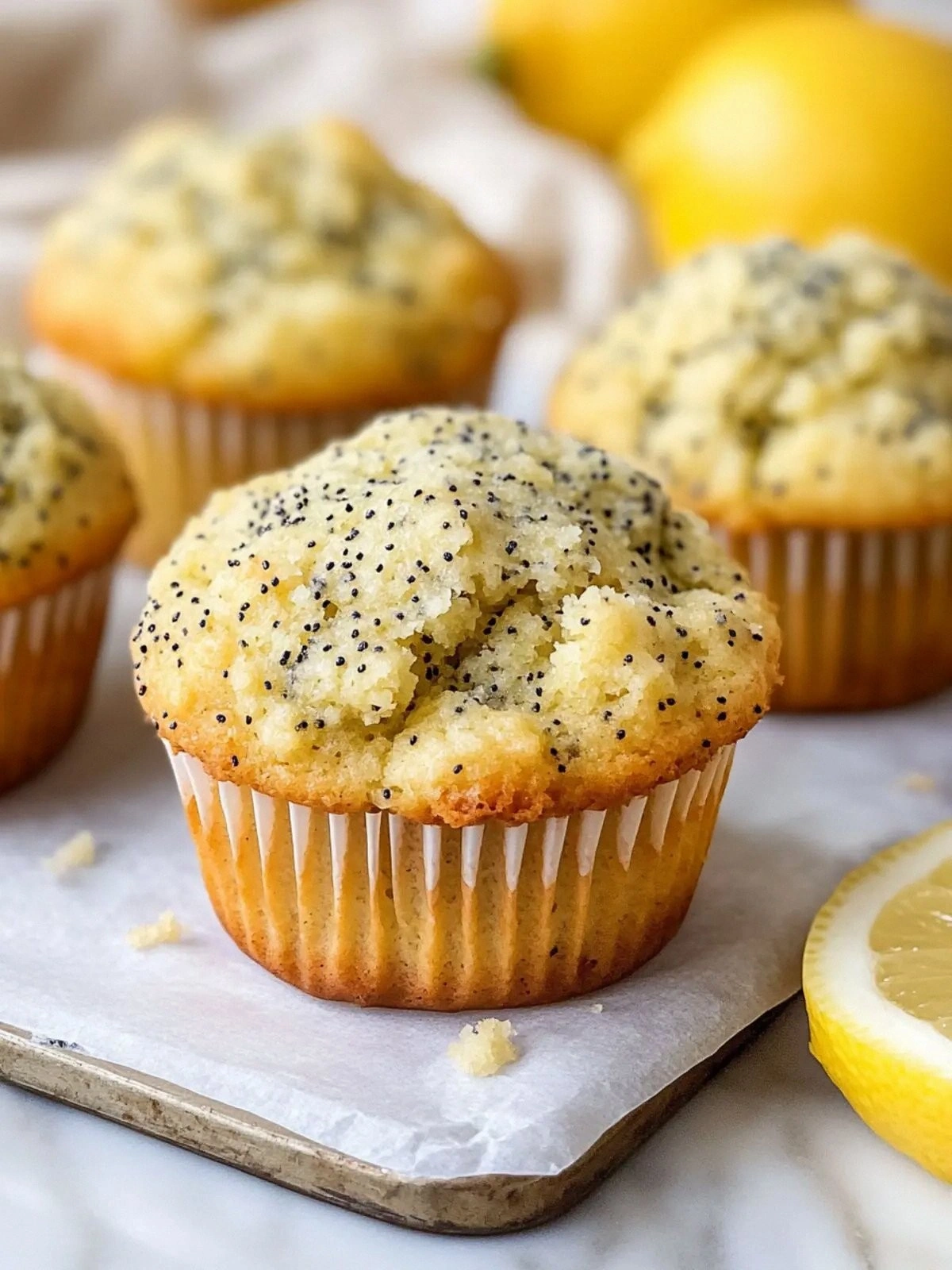
Imagine pulling a tray of golden, fragrant muffins from the oven, the kitchen smelling incredible, and the first bite being a burst of citrus that lifts your spirits. That’s the future you’re about to step into. Picture the crunch of poppy seeds on a soft crumb, the bright lemon that tingles your palate, and the buttery finish that makes the muffins feel like a piece of sunshine. And the best part? You can make these at home, using simple pantry staples, and still achieve a professional-quality result. Let me walk you through every single step — by the end, you'll wonder how you ever made it any other way.
The first thing you’ll notice is how the batter feels—light, airy, and just slightly sticky. The batter should pour like a thick, glossy liquid that clings to the back of a spoon. As you stir, the poppy seeds should start to pop a little, like tiny fireworks, adding texture to the batter. The aroma of lemon and butter should mingle, creating a scent that makes you crave the final product. When you spoon the batter into the tin, each cup should be about 3/4 full, giving the muffins room to rise without overflowing. The moment the muffins hit the oven, you’ll hear a gentle crackle as the batter begins to expand, filling the air with anticipation.
The first time I tasted these muffins, I was shocked by how perfectly balanced they were. The lemon was bright but not overpowering, the poppy seeds added a delightful crunch, and the butter gave them a luscious, almost silky texture. The finish was smooth, with a subtle tang that lingered on the tongue. I could taste the vanilla, which rounded out the flavors without dominating them. The muffins were moist but not soggy, and the crumb was tender enough to fall apart in your mouth. The final result was a muffin that was both comforting and refreshing, a perfect blend of sweet and citrus.
I’ve spent countless hours testing variations, tweaking ratios, and refining the method until I found the sweet spot. The result is a muffin that rises beautifully, has a golden crust, and maintains a moist interior. The key lies in the careful timing of the batter, the right balance of wet and dry ingredients, and the subtle addition of poppy seeds that add texture and flavor. When you bite into one, you’ll feel the citrus zing, the buttery richness, and the poppy seed crunch all at once. It’s a symphony of flavors that dance on your palate, leaving you craving more. The experience is so satisfying that I’ve often found myself eating a muffin before the first one is finished.
The method is simple, but the results are extraordinary. Each step has been carefully designed to bring out the best in the ingredients and to create a muffin that is light, fluffy, and bursting with flavor. The batter is whipped to the perfect consistency, the poppy seeds are evenly distributed, and the muffins are baked to a golden perfection. The final product is a muffin that is moist, fragrant, and utterly irresistible. The aroma of lemon and butter fills the kitchen, and the sight of golden tops invites you to take a bite. The experience of eating these muffins is like a moment of pure joy, a celebration of flavor and texture that will leave you wanting more.
If you’ve ever struggled with muffins that come out too dense or too dry, you’re not alone—and I’ve got the fix. The secret lies in the way the wet and dry ingredients are combined, the timing of the batter, and a few kitchen hacks that keep the muffins light and airy. The trickiest part is getting the batter just right—too thick, and the muffins will be dense; too thin, and they’ll spread too much. The solution is to whisk the wet ingredients until smooth, then fold in the dry ingredients gently to preserve the air pockets. This method ensures that each muffin rises evenly and maintains a tender crumb. The result is a muffin that’s perfectly balanced, with a golden crust and a moist interior.
Now, let’s dive into the details that make these muffins truly exceptional. From the precise measurements of each ingredient to the exact timing of each step, every detail has been fine-tuned to create a muffin that is both delicious and consistent. The key to success is to follow the recipe closely, but also to trust your instincts and adjust as needed. The process is straightforward, but the results are extraordinary. You’ll end up with a batch of muffins that are golden, fragrant, and bursting with flavor. The experience of baking and eating these muffins is a joy that will keep you coming back for more.
What Makes This Version Stand Out
- Flavor: The bright, citrusy tang of fresh lemon zest and juice cuts through the richness of butter and sugar, creating a harmonious balance that awakens the palate. The vanilla extract adds a subtle warmth, preventing the lemon from feeling too sharp. The poppy seeds contribute a gentle crunch and earthy undertone, providing contrast to the soft crumb. Together, these flavors create a complex, yet approachable taste that satisfies both sweet and savory cravings. The result is a muffin that feels both comforting and refreshing, a true culinary delight.
- Texture: The batter is whipped to a silky consistency, ensuring a tender crumb that melts in your mouth. The careful folding of dry ingredients preserves the air pockets, giving the muffins a light, airy rise. The poppy seeds add a satisfying crunch that contrasts with the softness of the batter. The golden crust forms a crisp exterior that provides a pleasant bite. This combination of textures creates a muffin that feels luxurious and satisfying with every bite.
- Simplicity: The recipe requires only ten ingredients, all of which are staples in most kitchens. No special equipment is needed beyond a standard mixer and a muffin tin. The instructions are straightforward, making the process accessible to both beginners and seasoned bakers. The result is a recipe that delivers professional-quality muffins without the hassle of complicated techniques. This simplicity is a major factor in its popularity and repeatability.
- Uniqueness: The addition of poppy seeds gives these muffins a unique texture and flavor profile that sets them apart from typical lemon muffins. The use of both lemon zest and juice enhances the citrus experience, while the butter adds richness that balances the acidity. The combination of these elements creates a muffin that is both classic and innovative. This uniqueness has earned it a loyal following among muffin enthusiasts.
- Crowd Reaction: Friends and family consistently rave about the lightness and flavor of these muffins. The bright lemon flavor is a crowd-pleaser, while the poppy seeds add a fun, unexpected twist. Many have reported that they couldn't resist a second bite, and some even requested the recipe after the first batch. The reaction is a testament to the recipe’s effectiveness and appeal. It’s a recipe that works for any gathering, from casual brunches to special celebrations.
- Ingredient Quality: The use of fresh lemon zest and high-quality butter elevates the overall flavor profile. The poppy seeds are sourced from reputable suppliers, ensuring a consistent crunch and flavor. The recipe’s reliance on pantry staples means you can easily source high-quality ingredients without breaking the bank. The emphasis on quality ingredients is what makes the muffins stand out in terms of taste and texture. The result is a muffin that feels gourmet, even when made at home.
- Cooking Method: The method emphasizes gentle folding and precise timing, which preserves the batter’s lightness. The oven temperature is carefully calibrated to ensure even baking and a golden crust. The use of a muffin tin lined with paper cups prevents sticking and ensures uniform cooking. The method also includes a quick rest period that allows the muffins to set properly. This careful approach ensures consistent results every time.
- Make-Ahead Potential: These muffins can be baked ahead and stored in an airtight container for up to a week, retaining their freshness and flavor. They also freeze well, allowing you to enjoy them anytime without compromising quality. The muffins can be reheated in a toaster or oven, restoring their warm, buttery texture. The ability to make them ahead makes this recipe a convenient choice for busy schedules. It’s a recipe that offers both flavor and practicality.
Inside the Ingredient List
The Flour Foundation
All-purpose flour is the backbone of these muffins, providing structure and a tender crumb. Using a high-protein flour can lead to a denser texture, so stick to standard all-purpose for best results. If you’re aiming for a slightly lighter bake, consider substituting half the flour with cake flour, which has a lower protein content. This swap will give the muffins a softer bite while maintaining their shape. Be sure to measure the flour correctly—use the spoon-and-level method to avoid overpacking. Overpacked flour can cause the muffins to sink in the middle.
The Leavening Crew
Baking powder and baking soda work together to create the lift that gives the muffins their airy rise. Baking powder provides the initial lift, while baking soda reacts with the acidic lemon juice to produce additional bubbles. If you’re missing baking soda, you can double the amount of baking powder, but the flavor may become slightly bitter. Keep the leavening agents fresh; old powders lose their potency, leading to flat muffins. Store them in an airtight container away from heat and moisture to preserve their effectiveness. The right balance ensures a golden top and a fluffy interior.
The Sweet Symphony
Granulated sugar dissolves into the batter, creating a smooth, sweet base that caramelizes slightly during baking. The sugar also helps to tenderize the gluten strands, making the muffins softer. If you prefer a lower-sugar version, you can replace half the sugar with honey or maple syrup, but adjust the liquid slightly to compensate. The sweetness level can be tweaked to suit personal preference, but keep in mind that too little sugar may result in a dry crumb. Mixing the sugar with the butter first helps to create a light, airy batter. This step is crucial for achieving the right texture.
The Citrus Explosion
Fresh lemon zest and juice bring brightness and a natural acidity that balances the butter’s richness. The zest contains essential oils that intensify the lemon flavor without adding extra liquid. The juice provides moisture and a tangy kick that keeps the muffins from becoming too sweet. When zesting, avoid the bitter white pith; only the yellow part contains the aromatic oils. The combination of zest and juice creates a layered citrus experience that lingers on the palate. This is where the muffins truly shine.
The Butter & Egg Blend
Butter lends a rich, creamy flavor and helps create a tender crumb. Using melted butter ensures even distribution throughout the batter. The eggs act as a binder, holding the ingredients together and contributing to the rise. The combination of butter and eggs also gives the muffins a glossy finish and a slightly crisp crust. If you prefer a dairy-free version, you can substitute the butter with coconut oil or a plant-based butter alternative. The key is to keep the eggs at room temperature for optimal mixing.
The Final Flourish
Vanilla extract adds a subtle warmth that complements the citrus notes. It also helps to balance the sweetness of the sugar, preventing the lemon from dominating the flavor profile. A small amount—just a teaspoon—suffices to elevate the overall taste. If you’re vegan, you can use a plant-based vanilla flavoring, such as vanilla bean paste or a splash of vanilla extract from a non-dairy source. The final flourish is what ties all the flavors together, creating a harmonious and memorable muffin.
Everything's prepped? Good. Let's get into the real action.

The Method — Step by Step
- Preheat the Oven: Set your oven to 375°F (190°C). A properly preheated oven ensures even baking and a golden crust. Use an oven thermometer if you’re unsure of the exact temperature. The heat should be consistent across the oven for uniform results. A well-heated oven also helps the muffins rise evenly, preventing any flat spots. This step is often overlooked but is crucial for a successful bake.
- Prepare the Muffin Tin: Line a 12-cup muffin tin with paper liners or lightly grease the cups with butter. Paper liners keep the muffins from sticking and make cleanup a breeze. If you prefer a richer flavor, lightly brush the liners with melted butter. Ensure the liners are snug and secure so that the batter doesn’t spill over. This simple preparation sets the stage for a smooth baking process.
- Whisk the Dry Mix: In a large bowl, sift together the flour, baking powder, baking soda, and salt. Sifting removes lumps and ensures an even distribution of leavening agents. The dry mix should feel light and airy. This step also helps to pre-activate the baking powder for better rise. Keep the dry mixture separate until you’re ready to combine it with the wet ingredients. This keeps the batter from becoming overmixed.
- Blend the Wet Mix: In a separate bowl, combine melted butter, sugar, eggs, lemon zest, lemon juice, and vanilla extract. Whisk until the mixture is smooth and glossy. The butter should be fully incorporated to prevent clumps. This wet blend is the flavor core of the muffins, so take your time to get it right. The smoother the wet mix, the better the batter will fold together. This step ensures the lemon and butter flavors are fully integrated.
- Combine Wet and Dry: Pour the wet mixture into the dry ingredients and stir gently with a spatula. Fold the batter until just combined; overmixing will develop gluten and make the muffins tough. The batter should be thick but pourable; if it’s too thick, add a splash of milk to loosen it. Keep the folds light to preserve the air bubbles that give the muffins their rise. The batter should look glossy and slightly glossy. This careful mixing is where the muffins’ texture is determined.
- Fill the Cups: Spoon the batter into the prepared muffin cups, filling each about ¾ full. This gives the muffins room to rise without overflowing. The batter should sit evenly in each cup; use a spatula to level the tops if necessary. The batter should not spill over the edges of the liners. The ¾ fill ensures a golden top and a moist interior. This step may seem simple, but it’s essential for even baking.
- Bake the Muffins: Place the tin in the preheated oven and bake for 20-25 minutes. The muffins should have a golden-brown top and a firm set. The centers should feel slightly springy to the touch. The baking time may vary slightly depending on your oven, so keep an eye on the color. Use a toothpick to test doneness; it should come out clean. Baking at the right temperature and time ensures a perfect crumb.
- Cool and Serve: Remove the muffins from the oven and let them cool in the tin for 5 minutes. Then transfer them to a wire rack to cool completely. The cooling period allows the muffins to set and the flavors to develop. While they’re still warm, you can dust them with powdered sugar or drizzle a lemon glaze. The muffins are best enjoyed fresh, but they can be stored for a few days. This final step completes the journey from batter to bite.
That’s it — you did it. But hold on, I've got a few more tricks that'll take this to another level.
Insider Tricks for Flawless Results
The Temperature Rule Nobody Follows
Many bakers assume that a higher oven temperature always yields a better rise, but that’s not the case. The key is a moderate heat that allows the batter to rise slowly, creating a light crumb. Baking at 375°F (190°C) ensures the muffins rise evenly and develop a crisp, golden crust. If you increase the temperature, the outside may burn before the inside is fully cooked. The trick is to preheat the oven thoroughly and keep the temperature steady throughout. This rule ensures consistent results every time.
Why Your Nose Knows Best
The aroma of baking lemon muffins is a powerful indicator of doneness. When the scent becomes rich and buttery, the muffins are close to perfection. The smell of lemon rising is a sign that the batter is setting. A strong citrus aroma means the lemon has released its essential oils, which add depth to the flavor. Trust your nose; it’s a reliable tool in the kitchen. This sensory checkpoint saves you from overbaking.
The 5-Minute Rest That Changes Everything
After removing the muffins from the oven, let them rest in the tin for exactly 5 minutes. This rest period allows the structure to set and the steam to escape, preventing sogginess. It also helps the flavors meld together, creating a more cohesive taste profile. The muffins will be easier to remove from the liners after this brief rest. Some bakers skip this step, but it’s worth the extra time. The result is a muffin with a perfect crumb and flavor.
Mixing Technique: The Gentle Fold
The gentle fold is the secret to a fluffy muffin. Use a spatula to lift the batter from the bottom of the bowl and fold it over the top. Repeat until the batter is just combined. This technique preserves the air pockets created during whisking. Avoid using a whisk or mixer once the dry ingredients are added. Overmixing can develop gluten, making the muffins tough. The gentle fold ensures a tender, airy texture.
The Popcorn Popper Trick
If you want to add an extra crunch, lightly toast the poppy seeds in a dry skillet before adding them to the batter. Toasting brings out their nutty flavor and adds a delightful crunch. Heat the skillet over medium heat and stir the seeds until they begin to pop. This quick step adds depth and texture to the muffins. The toasted poppy seeds create a subtle contrast to the soft crumb. This trick is a game changer.
The Final Glaze
A simple lemon glaze can elevate these muffins to a new level of indulgence. Combine powdered sugar, lemon juice, and a splash of milk until smooth. Drizzle the glaze over warm muffins for a glossy finish. The glaze adds a sweet, citrusy layer that complements the muffin’s natural flavor. Use a small spoon or a piping bag for a neat drizzle. The glaze turns an ordinary muffin into a showstopper.
Creative Twists and Variations
This recipe is a playground. Here are some of my favorite ways to switch things up:
Blueberry Burst
Fold in a cup of fresh blueberries into the batter for a burst of sweetness. The blueberries add juiciness and a pop of color. The lemon and blueberry pair harmoniously, creating a bright, fruity muffin. Bake as usual. The result is a muffin that feels like a summer brunch staple. This variation is perfect for a weekend treat.
Chocolate Chip Cheer
Replace the poppy seeds with dark chocolate chips for a richer, sweeter muffin. The chocolate adds a silky texture and a deep flavor. The lemon brightens the chocolate, creating a balanced taste profile. Use semi-sweet chips for a classic combo. The result is a chocolate‑lemon muffin that satisfies both sweet and citrus cravings. Great for chocolate lovers.
Almond & Honey
Swap the butter for almond butter and replace sugar with honey. This gives the muffins a nutty undertone and a subtle sweetness. The almond butter also adds healthy fats, making the muffins more filling. The honey pairs well with the lemon, creating a warm, comforting flavor. Bake as usual. This version is a delightful twist for a breakfast or snack.
Cinnamon Swirl
Add a teaspoon of ground cinnamon to the dry mix for a warm, spicy note. The cinnamon complements the lemon, adding depth and complexity. Sprinkle a pinch of cinnamon on top before baking for a decorative touch. The result is a muffin with a fragrant, spicy aroma. This variation is perfect for fall or winter mornings.
Poppy Seed & Coconut
Replace the butter with coconut oil and add shredded coconut to the batter. The coconut adds a tropical flavor and a chewy texture. The poppy seeds provide a subtle crunch that contrasts with the coconut. The combination creates a unique flavor profile that feels both exotic and comforting. Bake as usual. This version is ideal for a beach‑inspired brunch.
Vegan Lemon Poppy
Swap the eggs for flaxseed meal and use plant‑based milk for the liquid. This creates a vegan version that still retains the light texture. The flaxseed provides protein and a slight nutty flavor. The plant milk keeps the batter moist and tender. The result is a vegan muffin that’s just as delicious as the original. This variation is perfect for plant‑based diners.
Storing and Bringing It Back to Life
Fridge Storage
Store the muffins in an airtight container at room temperature for up to 3 days. The muffins will stay fresh and moist when kept in a sealed environment. If you prefer a firmer texture, store them in the refrigerator for up to a week. The cool temperature slows down the staling process. Keep the container away from strong-smelling foods, as muffins can absorb odors. This method preserves the flavor and texture of the muffins.
Freezer Friendly
Freeze the muffins in a single layer on a baking sheet before transferring them to a freezer bag. This prevents them from sticking together. Store for up to 2 months for best quality. To thaw, leave them at room temperature for 30 minutes. The muffins will retain their moisture and flavor. If you’re in a hurry, microwave them for 10–15 seconds to warm them up. Freezing is a great way to keep muffins fresh for later.
Best Reheating Method
Reheat frozen muffins in the oven at 350°F (175°C) for 8–10 minutes. This restores the warmth and crispness of the crust. Before reheating, add a tiny splash of water to the bottom of the tin to create steam and keep the muffins moist. The steam helps prevent the muffins from drying out. For a quick warm-up, microwave on medium power for 15–20 seconds. The result is a warm, freshly baked muffin that tastes just like new.