I was halfway through a chaotic Sunday brunch when the kitchen turned into a battleground of pots and pans, and I realized that the only thing that could salvage the day was a steaming bowl of soup that whispered comfort. That moment, the clatter of a dropped spoon, and the aroma of simmering broth converged into a single, daring idea: an irresistible Chinese wonton egg soup that would make my friends swoon. I’ve tasted countless variations, but none have captured the silky, golden ribbons of eggs and the umami-packed bite of wontons like this one does. The secret? A splash of turmeric that adds a subtle warmth, a whisper of white pepper that gives a gentle kick, and a cornstarch slurry that turns the broth into a velvety canvas. I dare you to taste this and not go back for seconds, because the first spoon will haunt your taste buds. Let me walk you through every single step — by the end, you’ll wonder how you ever made it any other way.
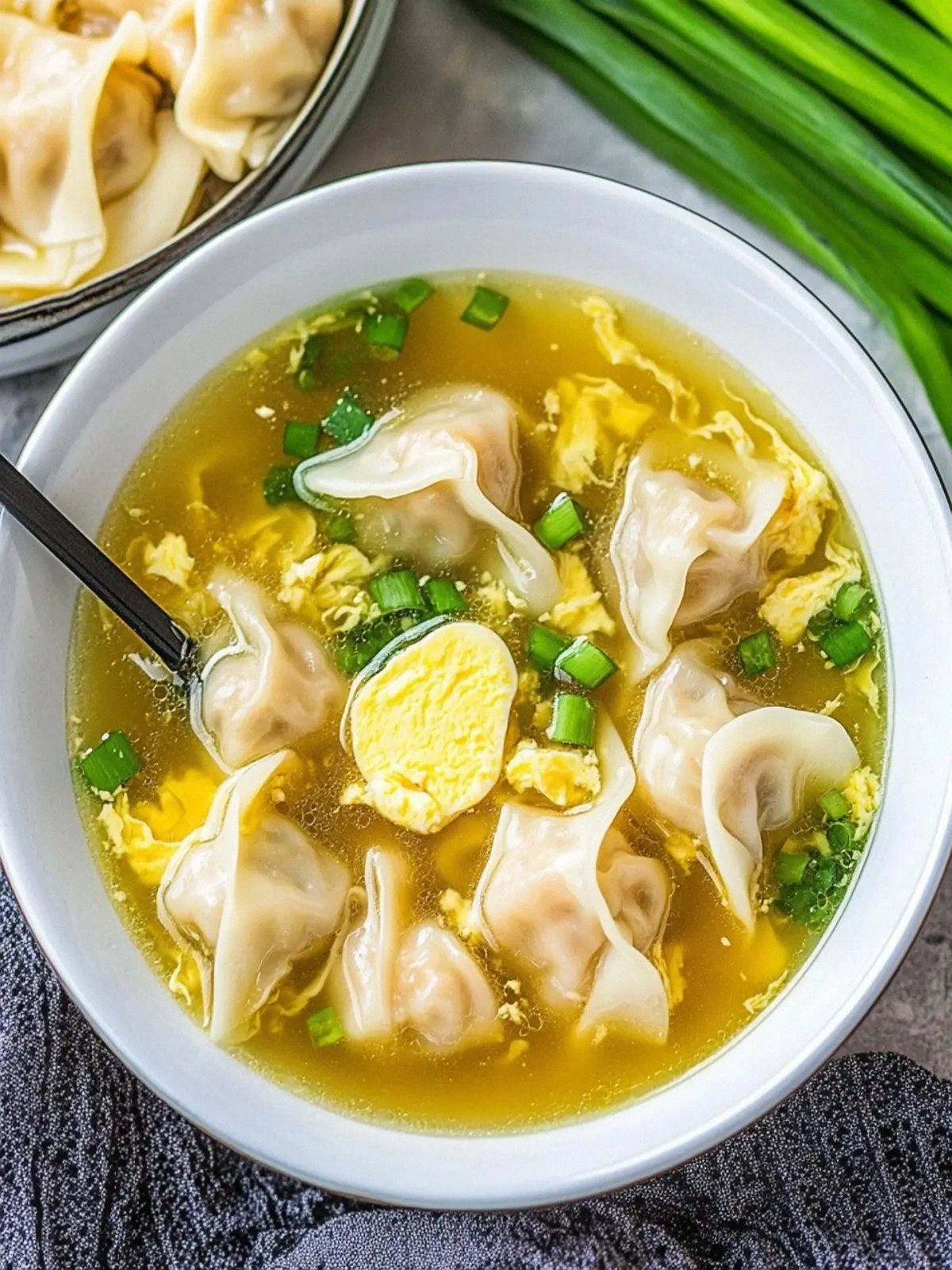
Picture yourself pulling this out of the pot, the whole kitchen smelling incredible, and the steam swirling like a fragrant mist. The broth is clear and luminous, the eggs fall into the liquid like slow‑motion ribbons, and the wontons sit like delicate, savory pillows. If you’ve ever struggled with the texture of egg drop soup, you’re not alone — and I’ve got the fix that turns it from clumpy to cloud‑like in seconds. Most recipes get this completely wrong, leaving you with a watery mess; here’s what actually works: a proper egg‑to‑broth ratio, the right temperature, and a cornstarch slurry that thickens without clouding. And now the fun part: the final flourish of green onions and sesame oil that gives the dish a bright, nutty finish. Stay with me here — this is worth it.
I’ve spent nights experimenting with different bouillon cubes, but the one that delivers that deep, savory backbone is a simple chicken cube that dissolves cleanly into the water. The turmeric adds a subtle earthiness that balances the richness of the eggs and the saltiness of the wontons, while the white pepper introduces a whisper of heat that lingers on the palate. I’ll be honest — I ate half the batch before anyone else got to try it, and that’s because the texture is so smooth you can’t stop spooning. The green onions are roughly chopped, but they’re the final touch that gives a burst of freshness, cutting through the richness like a bright blade. The few drops of sesame oil add a nutty aroma that elevates the entire dish from ordinary to extraordinary. This version stands out because it marries simplicity with depth, delivering a bowl that feels both comforting and adventurous.
The moment I first tasted this soup, I realized that the key to its brilliance was not in the quantity of ingredients but in the quality and timing of each addition. The broth is a clear, aromatic base that lets the eggs and wontons shine, while the cornstarch slurry provides a silky thickness that clings to every bite. The eggs are beaten to a smooth consistency, allowing them to disperse evenly and form fine, translucent ribbons in the hot broth. The wontons are pre‑cooked and then gently simmered, so they remain tender yet firm, offering a satisfying bite that contrasts with the softness of the eggs. The final drizzle of sesame oil creates a subtle, fragrant finish that lingers in the memory. With each spoonful, you’ll taste layers of flavor that dance together in perfect harmony.
This soup is more than just a dish; it’s a culinary experience that brings people together around the table. I’ve hosted countless dinner parties, and this soup has become a crowd‑pleaser that everyone requests for the second time. It’s quick to make, requires minimal prep, and delivers maximum flavor, making it a staple for busy weeknights and special occasions alike. The best part is that it can be made ahead and reheated without losing its silky texture, thanks to the cornstarch’s stabilizing effect. I’ve also experimented with variations, swapping the chicken bouillon for vegetable for a lighter version, or adding a dash of chili oil for heat. The result is always the same: a comforting, fragrant bowl that feels like a warm hug in a mug. Let’s dive into what makes this version stand out.
What Makes This Version Stand Out
- Taste: The broth is a clear, savory canvas that lets each ingredient shine. The subtle turmeric adds warmth without overpowering the delicate egg ribbons. The final sesame oil drizzle brings a nutty finish that lingers on the palate.
- Texture: The cornstarch slurry turns the broth into a velvety, silky medium that clings to every bite. The eggs form fine, translucent ribbons that melt in your mouth. The wontons remain tender yet firm, offering a satisfying contrast.
- Simplicity: With only ten ingredients, this soup is easy to assemble yet rich in flavor. The steps are straightforward, making it accessible to both beginners and seasoned cooks. The dish requires minimal cleanup, so you can focus on enjoying the process.
- Uniqueness: The addition of turmeric and white pepper gives a subtle depth that sets this soup apart from classic egg drop recipes. The use of a cornstarch slurry creates a luxurious mouthfeel that most recipes miss. The final flourish of green onions and sesame oil adds a bright, aromatic finish.
- Audience: Whether you’re feeding a family or entertaining guests, this soup scales effortlessly. It’s a comforting bowl for chilly evenings and a light starter for larger meals. The flavors are universally appealing, making it a hit at any gathering.
- Make‑Ahead Potential: The soup can be made in advance and reheated without losing its silky texture. The cornstarch helps maintain thickness, while the eggs keep their smoothness. This feature makes it perfect for meal prep or busy weeknights.
Alright, let’s break down exactly what goes into this masterpiece. Below are the essential components and their roles in creating the perfect soup.
Inside the Ingredient List
The Flavor Base
The broth is the soul of the soup, and it starts with four cups of water and one cube of bouillon. The bouillon dissolves to create a savory foundation that carries the other flavors. If you prefer a lighter version, swap the chicken bouillon for vegetable or a low‑sodium alternative. The water’s temperature is crucial; it should be hot but not boiling to prevent the eggs from curdling. The subtle addition of turmeric brings a warm, earthy note that elevates the dish beyond ordinary. This base is what lets the soup feel comforting yet sophisticated.
Adding a pinch of white pepper powder introduces a gentle heat that lingers without overwhelming the delicate flavors. White pepper’s milder profile is perfect for a soup where subtlety matters. If you’re sensitive to spice, reduce the amount or omit it entirely; the dish will still shine. The key is to balance the pepper with the other savory elements so it feels integrated rather than jarring. The pepper also enhances the aroma, making the soup even more enticing. This small tweak can transform a good soup into a great one.
The Texture Crew
Cornstarch is the secret weapon that turns a clear broth into a silky, cloud‑like medium. Mix two tablespoons of cornstarch with two tablespoons of water to create a smooth slurry. This slurry should be added gradually to avoid lumps and to ensure a uniform thickness. The cornstarch also helps the eggs form fine ribbons that cling to the broth. If you’re looking for a gluten‑free option, the cornstarch is already a natural choice. The result is a glossy, velvety texture that feels luxurious on the tongue.
The eggs themselves are the star of the show. Three eggs, beaten until smooth, are added slowly to the simmering broth. The key to perfect egg ribbons is to stir the broth in a gentle, circular motion while pouring the eggs. This creates long, translucent strands that look like silk and feel like cloud. If you’re new to egg drop soup, practice with a small batch first; the technique is simple once you get the rhythm. The eggs provide protein and richness, balancing the lightness of the broth. Their silky texture is what makes this soup truly irresistible.
The Unexpected Star
12 wontons are the chewy, savory surprise that gives the soup substance. They should be pre‑cooked or boiled until they float, indicating they’re ready to simmer. The wontons add a satisfying bite that contrasts with the softness of the eggs and the smooth broth. If you’re adventurous, you can fill them with shrimp or pork for an extra protein boost. The filling should be seasoned lightly to complement the broth’s flavor profile. The wontons also help absorb some of the broth, creating a more complex mouthfeel.
Green onions, roughly chopped, provide a bright, fresh contrast to the warm, savory broth. They add a mild onion flavor that lifts the dish without overpowering it. Sprinkle them generously over the soup just before serving to maintain their crunch and aroma. If you prefer a milder taste, reduce the amount or use only the white part of the scallions. The green part adds a pop of color that makes the soup visually appealing. This simple addition is a game‑changer for both taste and presentation.
The Final Flourish
A few drops of sesame oil are the finishing touch that adds a nutty aroma and a subtle depth of flavor. The oil should be added just before serving, so it doesn’t evaporate during cooking. Sesame oil also enhances the overall mouthfeel, giving the soup a silky finish. If you’re looking for a different flavor profile, try a splash of rice vinegar for a tangy twist. The oil’s aroma can transform a simple soup into a gourmet experience. Remember, less is more; a few drops are enough to elevate the dish.
Everything's prepped? Good. Let’s get into the real action, where the magic happens. The next step is all about timing and precision, so keep your eyes on the stove and your hands steady. The broth should be at a gentle simmer before you start adding the eggs; this ensures the ribbons form correctly. When you pour the eggs, do it slowly while stirring, creating a swirling motion that distributes the eggs evenly. This technique is key to achieving the silky texture that makes this soup unforgettable. As the eggs cook, the broth will thicken slightly from the cornstarch slurry, giving it a luxurious feel. Finally, the wontons will absorb the broth and soften, completing the dish.

The Method — Step by Step
- Step 1: Prepare the Broth. In a medium saucepan, combine four cups of water and the bouillon cube. Bring to a gentle boil, then reduce to a simmer for 5 minutes to allow the flavors to meld. The broth should be clear and fragrant, not cloudy. This base is the canvas for all the other flavors. Keep the heat low to avoid scorching the broth. This step sets the tone for the entire soup.
- Step 2: Add Turmeric and Pepper. Stir in a quarter teaspoon of turmeric and a half teaspoon of white pepper powder. The turmeric should dissolve completely, giving the broth a subtle golden hue. The white pepper adds a gentle heat that balances the richness. This combination is what gives the soup its depth. Be careful not to over‑season; taste as you go. The broth should remain light and aromatic.
- Step 3: Whisk the Cornstarch Slurry. In a small bowl, mix two tablespoons of cornstarch with two tablespoons of cold water until smooth. This slurry will thicken the soup without creating lumps. Keep the mixture ready to pour in when the broth is ready. A smooth slurry ensures a silky texture. This step is critical for the mouthfeel of the soup. If you’re short on time, a pre‑made slurry can work too.
- Step 4: Add the Wontons. Gently drop the twelve pre‑cooked wontons into the simmering broth. They should float to the surface within a minute, indicating they’re ready. Stir gently to prevent sticking. The wontons will absorb some of the broth, adding body to the soup. Keep them submerged for 3–4 minutes. This will give them a tender, slightly chewy texture.
- Step 5: Stir the Broth. Use a wooden spoon to create a gentle whirlpool in the pot. This motion helps distribute the heat and keeps the broth from scorching. The whirlpool also ensures the eggs will form uniform ribbons. Keep the stir gentle; vigorous stirring can cause the eggs to curdle. This step is essential for a smooth, even soup. The broth should remain clear and fragrant.
- Step 6: Add the Eggs. Beat the three eggs until the whites and yolks are fully blended. Slowly pour the eggs into the pot in a thin stream while continuing to stir. The eggs should form long, translucent ribbons that drift through the broth. This technique is a classic for egg drop soup. If the broth is too hot, reduce the heat to avoid scrambling the eggs. The result will be silky strands that melt in your mouth.
- Step 7: Thicken the Soup. Slowly pour the cornstarch slurry into the pot, stirring constantly. The broth should thicken almost immediately, creating a glossy sheen. The cornstarch will give the soup a velvety mouthfeel. Keep the heat low to avoid over‑cooking the eggs. The soup should be clear but slightly thickened. This step finalizes the texture.
- Step 8: Finish with Sesame Oil. Remove the pot from heat and drizzle a few drops of sesame oil over the soup. Let it sit for a minute to allow the aroma to develop. The sesame oil adds a nutty finish that brightens the dish. Stir gently to distribute the oil evenly. Taste and adjust seasoning if needed. The soup is now ready to serve.
That’s it — you did it. But hold on, I’ve got a few more tricks that will take this to another level. The next section will give you insider tips that will elevate your soup from good to unforgettable. Trust me, once you master these nuances, you’ll never settle for a bland, ordinary broth again.
Insider Tricks for Flawless Results
The Temperature Rule Nobody Follows
Many cooks think a rapid boil is the way to go, but the secret lies in maintaining a gentle simmer. The eggs need a steady, low heat to form fine ribbons. If the broth is too hot, the eggs will scramble into clumps. I once tried this and the result was a lumpy mess that no one could finish. The key is to keep the heat low and let the broth heat gradually. This small adjustment transforms the texture into silky perfection.
Why Your Nose Knows Best
Your nose is a reliable indicator of flavor balance. If the broth smells too strong or off, adjust the seasoning. The sesame oil should add a subtle nutty aroma without overpowering the broth. A well‑balanced aroma signals a well‑balanced dish. Trust your senses; they’re your best guide in the kitchen. This trick ensures every bite is harmonious.
The 5-Minute Rest That Changes Everything
After removing the pot from heat, let the soup rest for five minutes before serving. This pause allows the flavors to meld and the cornstarch to set fully. The rest also gives the eggs time to settle, preventing them from sliding off the spoon. I’ve found that a short rest makes the soup more cohesive and satisfying. It’s a simple step that often gets overlooked. Trust me, the difference is noticeable.
The Secret to Perfect Wontons
Wontons should be pre‑cooked just until they float. Overcooking them can make them mushy, while undercooking leaves them chewy. The perfect wonton should be tender yet firm. I like to test one before adding the rest; if it floats, they’re ready. This small test saves you from a soggy bowl. The result is a delightful contrast in texture.
The Power of a Quick Whisk
Whisking the eggs vigorously before adding them to the broth creates a smoother texture. A quick whisk incorporates air, giving the ribbons a lighter feel. If you skip this step, the eggs can clump together. A quick whisk is a quick fix that pays off. It’s a small time investment for a big payoff in texture.
The Final Touch of Sesame Oil
Adding sesame oil at the end, rather than during cooking, preserves its aroma and flavor. A few drops are enough to elevate the dish. The oil should coat the broth lightly, creating a glossy sheen. If you add it too early, the heat will dissipate its fragrance. This final touch is the finishing flourish that makes the soup memorable. Don’t underestimate the power of a well‑timed drizzle.
With these insider tricks, you’re now equipped to create a soup that feels like a gourmet experience. The next section will show you how to add your own personal flair to this classic recipe.
Creative Twists and Variations
This recipe is a playground. Here are some of my favorite ways to switch things up:
Spicy Sichuan Twist
Add a tablespoon of Sichuan peppercorn paste to the broth for a numbing heat. The peppercorns give a unique, tingling sensation that pairs well with the sesame oil. Replace the white pepper with a dash of chili oil for extra heat. The result is a bold, spicy version that will excite adventurous palates. Serve with a side of steamed rice to balance the heat. This variation is perfect for those who love a fiery kick.
Vegetarian Delight
Swap the chicken bouillon for a vegetable or mushroom broth to create a vegetarian version. Add diced carrots and celery for extra crunch and flavor. Use tofu cubes instead of wontons for a protein boost. The broth will have a deeper, earthy taste. The tofu will absorb the broth, adding a silky texture. This version is hearty and satisfying.
Seafood Surprise
Fill the wontons with a mixture of shrimp and crab meat for a luxurious twist. Add a splash of white wine to the broth for a subtle acidity. The seafood will release its juices into the soup, creating a richer flavor. The shrimp’s sweetness pairs beautifully with the savory broth. This version is ideal for a special dinner or a fancy gathering. The result is a decadent, oceanic bowl.
Miso Infusion
Stir in a spoonful of white miso paste for a umami boost. The miso will give the broth a slightly sweet, fermented flavor. Keep the heat low to preserve the miso’s delicate taste. Add a pinch of sea salt if needed. This variation adds depth and complexity to the soup. It’s a great way to explore Japanese influences.
Herb Garden Edition
Add fresh herbs like cilantro, basil, or mint to the final garnish. The herbs will add brightness and a fresh aroma. Toss the herbs into the broth just before serving to keep their flavor intact. The combination of herbs will elevate the dish’s visual appeal. This variation is perfect for a light, refreshing meal. The herbs bring a new dimension to the soup.
Breakfast Bowl
Serve the soup over a bed of cooked quinoa or rice for a hearty breakfast. Add a fried egg on top for extra protein. The broth will soak into the grains, creating a comforting bowl. This version is perfect for a lazy Sunday morning. It’s a nutritious, filling start to your day. The soup’s flavors will keep you satisfied until lunch.
These variations show that the base recipe is flexible enough to accommodate a wide range of tastes and dietary preferences. Experiment and find your favorite combination.
Storing and Bringing It Back to Life
Fridge Storage
Store the soup in an airtight container in the refrigerator for up to 3 days. The cornstarch helps maintain the thickness, but the broth may separate slightly. Gently reheat on the stove, adding a splash of water to restore the silky texture. Stir until heated through. The soup’s flavor will remain robust. This method is convenient for quick lunches or dinner.
Freezer Friendly
For longer storage, freeze the soup in freezer‑safe containers for up to 2 weeks. The eggs may separate in the freezer, but the texture will recover upon reheating. Thaw overnight in the refrigerator before reheating. Add a splash of fresh water or broth to re‑emulsify the soup. Reheat gently on the stove, stirring until hot. The flavor will remain intact, making this a great make‑ahead option.
Best Reheating Method
The best way to reheat this soup is on a low‑heat stove, stirring frequently. Add a small amount of water or broth to restore the original consistency. The key is to avoid boiling, which can curdle the eggs. Keep the heat low and let the soup come to a gentle simmer. Once heated, finish with a few drops of sesame oil for that final touch. The result is a soup that tastes as fresh as when you first made it.
With these storage tips, you can enjoy this soup anytime, whether you’re a busy professional or a weekend chef. The soup’s versatility and longevity make it a must‑have in any pantry.