Picture this: I’m standing in a cramped apartment kitchen, a pot of pasta boiling on the stove, and my friend’s voice echoing from the other end of the apartment, “I need a sauce that’s spicy, creamy, and totally unforgettable.” The instant I heard that, my mind sprinted to the pantry, rummaging through jars of spices, cream, and an oddly specific Korean chili paste that had been hiding in the back of the fridge. That pantry find became the spark that lit the fire for this dish. I didn’t just want a sauce; I wanted a revelation that would turn a simple pasta dinner into a flavor fireworks show.
I set the timer, cracked a few cloves of garlic, and let the aroma of sizzling oil fill the room. The garlic hit the pan and released a golden perfume that made even the most skeptical of me swoon. When I added the gochujang, the kitchen suddenly smelled like a Korean barbecue joint, but with a velvety twist. The heat hit the senses instantly, and I could feel the anticipation building like a drumroll. By the time the sauce thickened, the air was thick with savory, sweet, and spicy notes, and I knew I was on the brink of something epic.
What makes this version stand out is not just the bold combination of flavors but the methodical way each element is introduced, ensuring a balanced, silky finish that coats every strand of pasta like a velvet blanket. The sauce doesn’t just sit on the noodles; it envelops them, turning an ordinary dinner into a comforting, bold, and unforgettable meal. I dared you to taste this and not go back for seconds, and I’m telling you, you won’t. If you’ve ever struggled with achieving that silky finish in a spicy sauce, you’re not alone — and I’ve got the fix. Picture yourself pulling this out of the oven, the whole kitchen smelling incredible, and guests asking what the secret is. That is the power of this recipe: a single pot that delivers heat, creaminess, and umami in perfect harmony.
Let me walk you through every single step — by the end, you’ll wonder how you ever made it any other way. I’ll share the exact ratios, the timing, the little tricks that elevate the dish, and the way to make it even more versatile. Whether you’re a seasoned cook or a kitchen novice, this recipe will become your new go-to for a quick, bold, and utterly satisfying meal. So grab your apron, and let’s dive into the creamy gochujang pasta adventure that will change how you think about pasta forever.
What Makes This Version Stand Out
- Bold Flavor: The gochujang paste delivers a depth of heat and umami that is impossible to overlook. When paired with soy sauce and garlic, the sauce becomes a complex tapestry of savory, sweet, and spicy notes. The result is a sauce that feels both comforting and adventurous.
- Smooth Texture: Heavy cream or coconut cream turns a fiery sauce into a silky, luscious coating that clings to each noodle. The cream’s fat content balances the heat, creating a velvety mouthfeel that melts in your mouth. It’s the kind of texture that makes you reach for seconds.
- Versatile Protein: The recipe’s optional protein slot means you can transform it into a chicken, tofu, or shrimp dish with equal ease. Each protein adds its own unique flavor and texture, allowing the dish to adapt to any dietary preference. That flexibility is a game-changer.
- Quick Assembly: From prep to plate, the entire process takes less than an hour, making it perfect for busy weeknights. The sauce’s simple ingredient list means you can whip it up in minutes without sacrificing quality. Time is saved, and flavor is amplified.
- Audience Appeal: This sauce is a crowd-pleaser that works for family dinners, date nights, or a solo treat. The balance of heat and creaminess appeals to both adventurous eaters and those who prefer a milder palate. It’s the kind of dish that gets rave reviews.
- Ingredient Quality: Using fresh, high-quality garlic, fresh green onions, and a good-quality gochujang ensures the dish’s flavor profile is top-notch. The quality of each component shines through, creating a harmonious final product. The difference between good and great is in the ingredients.
- Make‑Ahead Potential: The sauce can be prepared ahead of time and refrigerated for up to 48 hours. The pasta can also be cooked slightly under al dente and finished in the sauce for a perfect finish. This makes the dish ideal for meal prep or entertaining.
Inside the Ingredient List
The Flavor Base
The foundation of this sauce is the gochujang paste, a fermented Korean chili paste that offers a complex blend of heat, sweetness, and umami. Its fermented nature brings depth that regular chili paste cannot match. If you skip gochujang, the dish loses its signature punch and becomes a generic spicy sauce. When choosing gochujang, look for one that’s smooth and not overly salty; this ensures a balanced flavor profile.
Soy sauce is the next key player, providing a subtle saltiness that enhances the overall umami. It’s essential for balancing the heat from the gochujang. If you’re on a sodium‑low diet, use low‑sodium soy sauce or tamari, but remember to adjust the quantity to maintain flavor. The soy sauce also helps thicken the sauce slightly as it reduces.
The Texture Crew
Heavy cream or coconut cream is the silky, luxurious component that turns the sauce into a velvet coating for the noodles. Heavy cream gives a richer, dairy flavor, while coconut cream offers a subtle coconut note that pairs wonderfully with Korean spices. If you prefer a dairy‑free version, coconut cream is the go‑to, but keep in mind that it adds a faint coconut aroma.
Garlic, minced finely, brings aromatic depth and a mild pungency that rounds out the sauce. The garlic’s natural sweetness is released during sautéing, creating a harmonious flavor. Skipping garlic will leave the sauce flat; it’s a small addition with a big impact.
The Unexpected Star
Green onions are the bright, fresh finish that lifts the dish. Their mild crunch and peppery flavor contrast the creamy sauce, adding a textural pop. If you’re out of green onions, you can use scallions or even a splash of fresh lime zest for a different twist. The green onion garnish also adds a pop of color that makes the dish Instagram‑ready.
The Final Flourish
Vegetable oil or sesame oil is used for sautéing the garlic and gochujang, providing a nutty undertone that enriches the sauce. Sesame oil has a distinct aroma that elevates the dish; use it sparingly to avoid overpowering the flavors. If you’re looking for a neutral base, vegetable oil is a solid choice. The oil also helps the sauce coat the pasta evenly.
Optional protein—whether it’s chicken, tofu, or shrimp—adds a hearty element that turns the dish into a complete meal. Each protein option brings its own texture and flavor profile: chicken offers a savory bite, tofu adds a subtle earthiness, and shrimp brings a sweet, briny note. The protein is cooked first and then tossed with the sauce, ensuring it absorbs the flavors fully. If you skip protein, the dish remains delicious but more of a side dish.
Everything’s prepped? Good. Let’s get into the real action and start building that sauce.
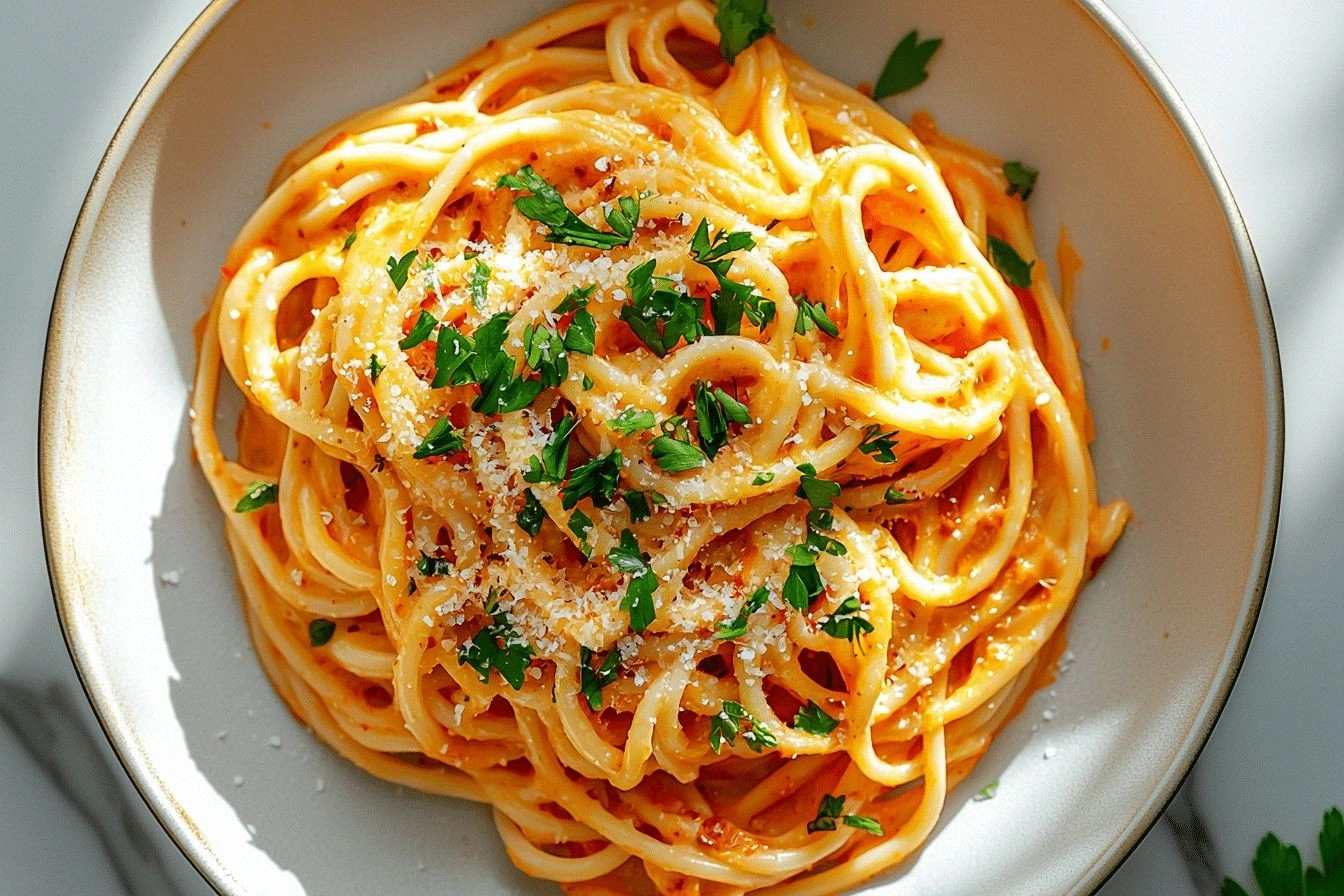
The Method — Step by Step
- Bring a large pot of salted water to a rolling boil. Add the pasta and cook according to the package instructions until it’s al dente. This ensures the noodles have a firm bite that can hold the sauce. While the pasta cooks, set a timer for 15 minutes to keep track of the cooking time.
- While the pasta is cooking, heat the vegetable oil or sesame oil in a large skillet over medium heat. Add the minced garlic and sauté until it turns fragrant and lightly golden, about 1–2 minutes. The garlic should release a sweet aroma without burning. This step builds the base flavor of the sauce.
- Stir in the gochujang paste, allowing it to mingle with the garlic and oil. The mixture should bubble slightly, indicating the spices are releasing their flavors. This is the moment of truth; the aroma will be intense, but that’s part of the magic.
- Pour in the heavy cream or coconut cream, stirring continuously to create a smooth, glossy sauce. The cream should thicken slightly as it heats. Keep the heat low to avoid scorching the cream; the goal is a silky coating, not a burnt residue.
- Add the soy sauce, then stir until the sauce is evenly blended. The soy sauce will deepen the umami and help thicken the sauce as it reduces. Taste the sauce; you should hear a balanced interplay of heat, salt, and creaminess.
- If you’re using protein, now’s the time to cook it. In a separate pan, sear the chicken, tofu, or shrimp until cooked through and lightly browned. This step adds texture and ensures the protein is fully cooked before mixing with the pasta.
- Drain the cooked pasta, reserving a cup of the pasta water. Return the pasta to the pot or a large bowl, then pour the sauce over it. Toss vigorously to coat each strand evenly. The reserved pasta water can be added a splash at a time to reach the desired sauce consistency.
- Finally, stir in the chopped green onions, reserving a small handful for garnish. Let the pasta rest for 2 minutes; this allows the flavors to meld. Plate the pasta, garnish with the remaining green onions, and serve immediately.
That’s it — you did it. But hold on, I've got a few more tricks that will take this to another level and keep your pasta game strong for the future.
Insider Tricks for Flawless Results
The Temperature Rule Nobody Follows
The key to a silky sauce is controlling the heat after adding the cream. Once the cream enters the pan, reduce the heat to low and let it simmer gently for 3–4 minutes. This slow reduction allows the sauce to thicken without scorching. A quick, high heat will cause the cream to split, ruining the texture.
Why Your Nose Knows Best
Smell the sauce as it simmers; it should have a warm, toasty aroma with a hint of sweetness. If the smell becomes sharp or metallic, the sauce is overcooked. Trust your nose as a guide to when the sauce has reached its peak.
The 5‑Minute Rest That Changes Everything
After tossing the pasta with sauce, let it sit uncovered for 2 minutes before plating. During this brief rest, the pasta absorbs more sauce, and the flavors meld. Skipping this step will leave the dish feeling under‑seasoned.
Balancing Heat with Cream
If you find the sauce too spicy, add a tablespoon of honey or maple syrup to counterbalance the heat. The sweetness will complement the gochujang’s umami, creating a rounded flavor profile. This trick is especially useful for guests who prefer milder heat.
The Finish with Freshness
Just before serving, sprinkle a handful of fresh green onions and a pinch of toasted sesame seeds. The fresh onions add crunch, while the sesame seeds add a nutty aroma. This final touch elevates the dish from good to unforgettable.
Creative Twists and Variations
This recipe is a playground. Here are some of my favorite ways to switch things up:
Crispy Tofu Crunch
Swap the protein for pan‑fried tofu cubes. The tofu’s crisp exterior pairs wonderfully with the creamy sauce. Add a sprinkle of crushed red pepper flakes for extra heat.
Shrimp Scampi Fusion
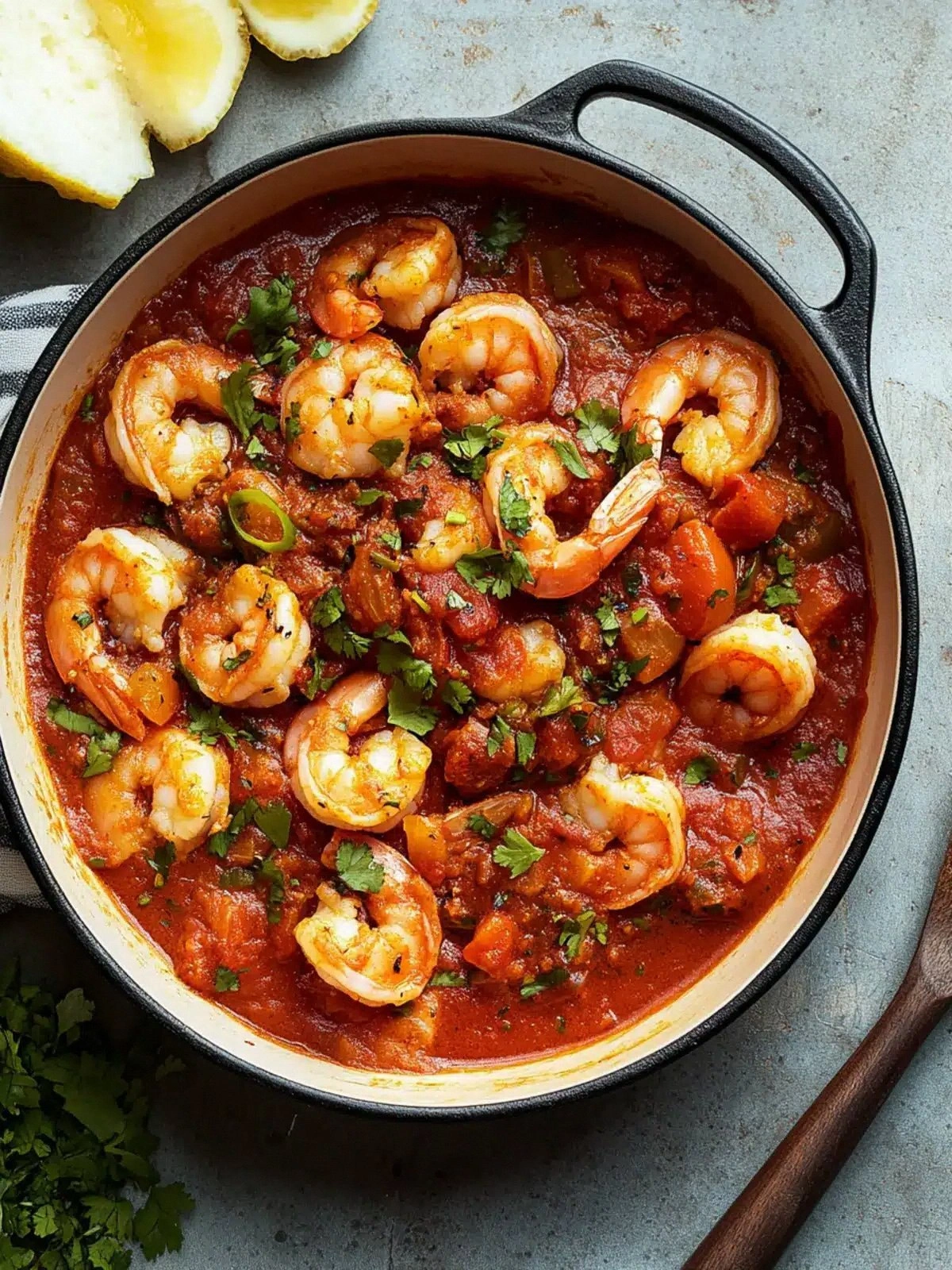
Use shrimp instead of tofu or chicken for a seafood twist. Sauté the shrimp in garlic butter before adding them to the sauce. The shrimp’s natural sweetness complements the gochujang’s heat.
Vegetarian Delight
Omit the protein entirely and double the green onion garnish. Add roasted bell peppers for a sweet, smoky flavor. This version is light, colorful, and still packed with umami.
Pesto Meets Gochujang
Blend a handful of basil into the sauce for a fresh, herbal note. The basil’s brightness cuts through the richness, creating a balanced, aromatic dish.
Cheesy Surprise
Stir in a handful of grated Parmesan cheese at the end for a nutty finish. The cheese melts into the sauce, adding depth and a slight salty edge.
Breakfast Edition
Serve the sauce over scrambled eggs instead of pasta. The creamy, spicy sauce transforms a simple breakfast into a bold, satisfying meal.
Storing and Bringing It Back to Life
Fridge Storage
Store leftover pasta in an airtight container for up to 2 days in the refrigerator. Keep the sauce separate if you prefer to reheat the pasta first. When reheating, add a splash of water or milk to restore the sauce’s silky texture.
Freezer Friendly
You can freeze the sauce and pasta separately for up to 3 months. Thaw overnight in the refrigerator, then reheat gently over low heat. The sauce may separate slightly; whisk vigorously to recombine.
Best Reheating Method
Reheat the pasta and sauce together in a saucepan over low heat, stirring constantly. Add a small splash of water or milk to loosen the sauce and bring it back to its original consistency. Finish with a sprinkle of fresh green onions for a fresh finish.