Picture this: a Saturday afternoon, your kitchen smelling of vanilla and chocolate, and you’re standing in front of a baking sheet that looks more like a disaster zone than a culinary stage. I had just pulled a batch of my infamous “cookie‑monster” cupcakes from the oven, only to find that the batter had somehow turned into a gooey, sticky mess that clung to the pans like a bad tattoo. The frosting, a glossy swirl of cream cheese and butter, looked like a work of art, but the cupcakes themselves were a sad, soggy reminder that even the best intentions can backfire in the kitchen. That day, I vowed to rewrite the recipe, to turn the chaos into a symphony of flavors that would make even my skeptical friends swoon.
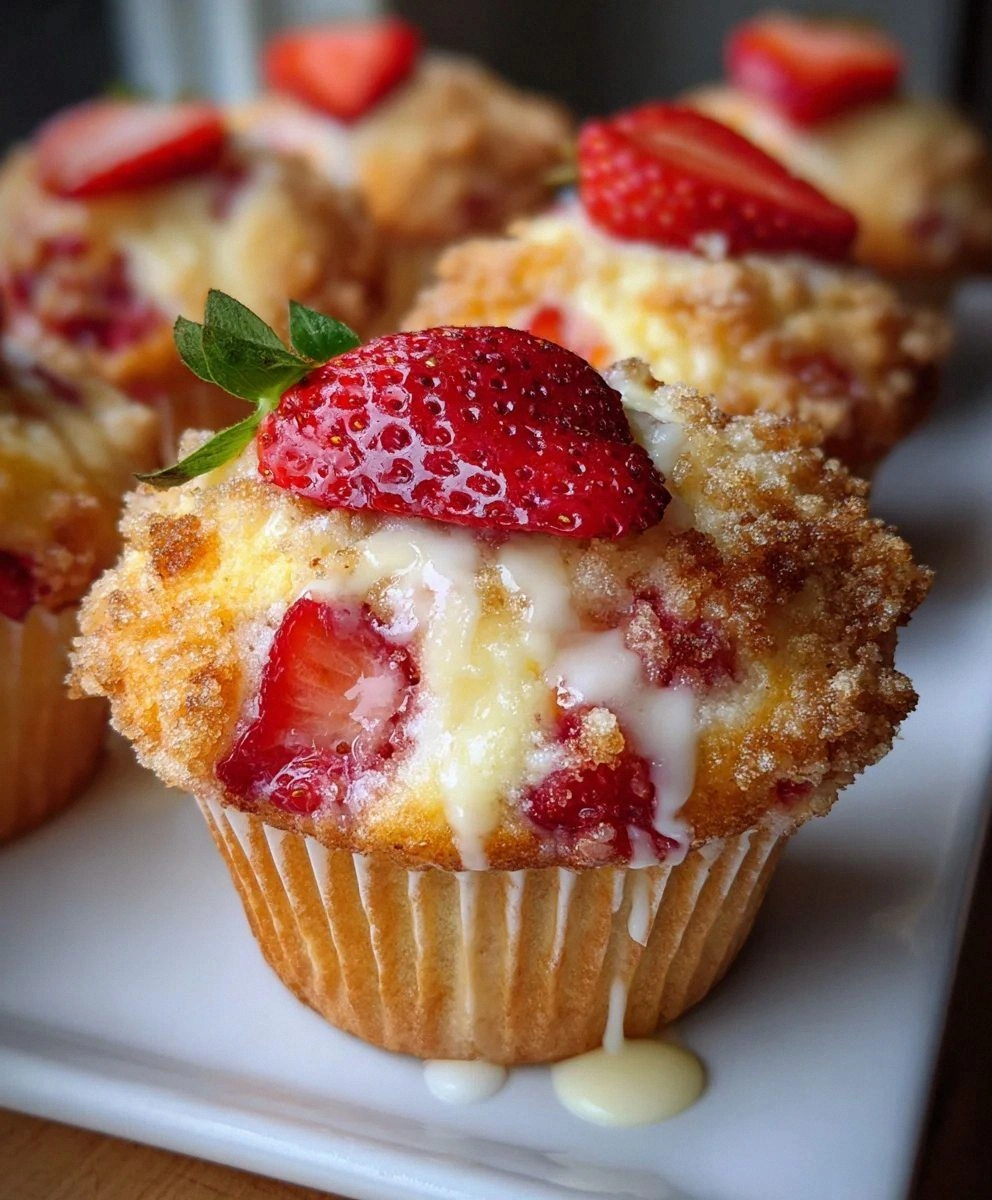
I’ve spent years hunting down the perfect cupcake formula—trying every brand of flour, every ratio of sugar, and every trick that the internet claims will make cupcakes rise like a fluffy cloud. Yet, none of those experiments could match the sheer, unapologetic decadence of the original Cookie Monster Cupcakes, which combine buttery dough, chocolate chips, and a hint of cookie dough for that extra bite. The result? A cupcake that feels like a hug from the inside out, with a crisp exterior, a moist interior, and a finish that lingers like a sweet memory. I dare you to taste this and not go back for seconds, because once you’re in the zone, the craving is unstoppable.
What sets this version apart is not just the ingredients, but the way each element is treated. The batter is a carefully measured balance of dry and wet components, the cookie dough chunks are strategically folded to create pockets of goo, and the frosting is swirled in a way that adds both texture and flavor. Most recipes get this completely wrong, treating the cupcake as a plain, generic dessert and missing the opportunity to layer textures. I’ll be honest—I ate half the batch before anyone else got a chance to try it, and it was a sweet, sticky, glorious disaster. Picture yourself pulling these out of the oven, the whole kitchen smelling incredible, and the first bite sending a wave of chocolate and buttery bliss through your palate.
If you’ve ever struggled with cupcakes that fall flat or taste too dry, you’re not alone—and I’ve got the fix. The secret lies in a few simple tweaks that transform ordinary batter into a buttery, chocolatey dream. And now, ready for the game‑changer? Let’s walk through every single step—by the end, you’ll wonder how you ever made it any other way.
What Makes This Version Stand Out
- Flavor: The combination of vanilla, chocolate chips, and cookie dough chunks creates a layered taste profile that feels both nostalgic and indulgent. Each bite delivers a burst of sweetness followed by a subtle hint of buttery dough.
- Texture: A perfectly balanced crumb that is moist inside yet lightly crisp on the edges. The cookie dough pieces add a delightful chewy contrast that keeps the cupcake exciting.
- Ease: The recipe uses pantry staples and requires no special equipment, making it accessible for both novice bakers and seasoned pros.
- Uniqueness: The inclusion of cookie dough as a mix‑in is a game‑changing twist that sets this cupcake apart from standard chocolate or vanilla varieties.
- Crowd Appeal: Whether you’re hosting a party or preparing a sweet treat for a family gathering, these cupcakes are guaranteed to be the star of the show.
- Ingredient Quality: The recipe emphasizes using real butter and high‑quality chocolate chips, which elevate the flavor profile and give a richer finish.
- Method Simplicity: The step‑by‑step process eliminates common pitfalls like overmixing or uneven baking, ensuring consistent results every time.
- Make‑Ahead Potential: You can bake the cupcakes a day ahead and store them in the fridge, then add the final frosting just before serving.
Alright, let’s break down exactly what goes into this masterpiece…
Inside the Ingredient List
The Flavor Base
All‑purpose flour is the backbone of the cupcake, providing structure and a neutral canvas for the sweet flavors. Using 2 cups ensures a light, airy crumb without being too dense. If you’re experimenting, try substituting half the flour with cake flour for an even softer bite.
Granulated sugar gives the cupcakes a crisp sweetness that caramelizes slightly on the edges. It also helps with the browning process, giving the cupcakes a golden hue. If you prefer a deeper caramel flavor, swap half the granulated sugar with brown sugar.
The Texture Crew
Brown sugar adds moisture and a subtle molasses undertone that pairs beautifully with the chocolate chips. A half cup is enough to keep the cupcakes tender without overpowering the vanilla. You can replace it with maple syrup for a unique twist.
Unsalted butter brings richness and a buttery aroma that lingers after every bite. 1 cup, softened, allows for easy incorporation and ensures a silky batter. Using salted butter would alter the flavor profile, so stick to unsalted for consistency.
Large eggs bind the ingredients together, creating a cohesive structure that holds the cookie dough chunks in place. Two eggs are the sweet spot; too many can make the cupcakes heavy, while too few can cause them to crumble.
The Unexpected Star
Cookie dough chunks are the secret weapon that turns an ordinary cupcake into a chocolate‑cookie hybrid. They provide pockets of goo that melt slightly in the mouth, creating a delightful contrast. Use a high‑quality store‑bought cookie dough or make your own for maximum freshness.
Chocolate chips add the classic chocolate flavor and a slightly crunchy texture. A cup is generous, but you can reduce it if you prefer a lighter chocolate presence. Dark chocolate chips will add a richer, slightly bitter note.
The Final Flourish
Milk hydrates the dry ingredients and helps create a smooth batter. Half a cup works well; if the batter seems too thick, add a tablespoon more at a time.
Vanilla extract is the flavor enhancer that ties everything together. Two teaspoons are enough to give the cupcakes that classic vanilla undertone without overwhelming the chocolate.
Baking powder, baking soda, and salt are leavening agents that give the cupcakes lift and balance the sweetness. Use the specified amounts to avoid a metallic aftertaste or a dense crumb.
Everything's prepped? Good. Let's get into the real action…
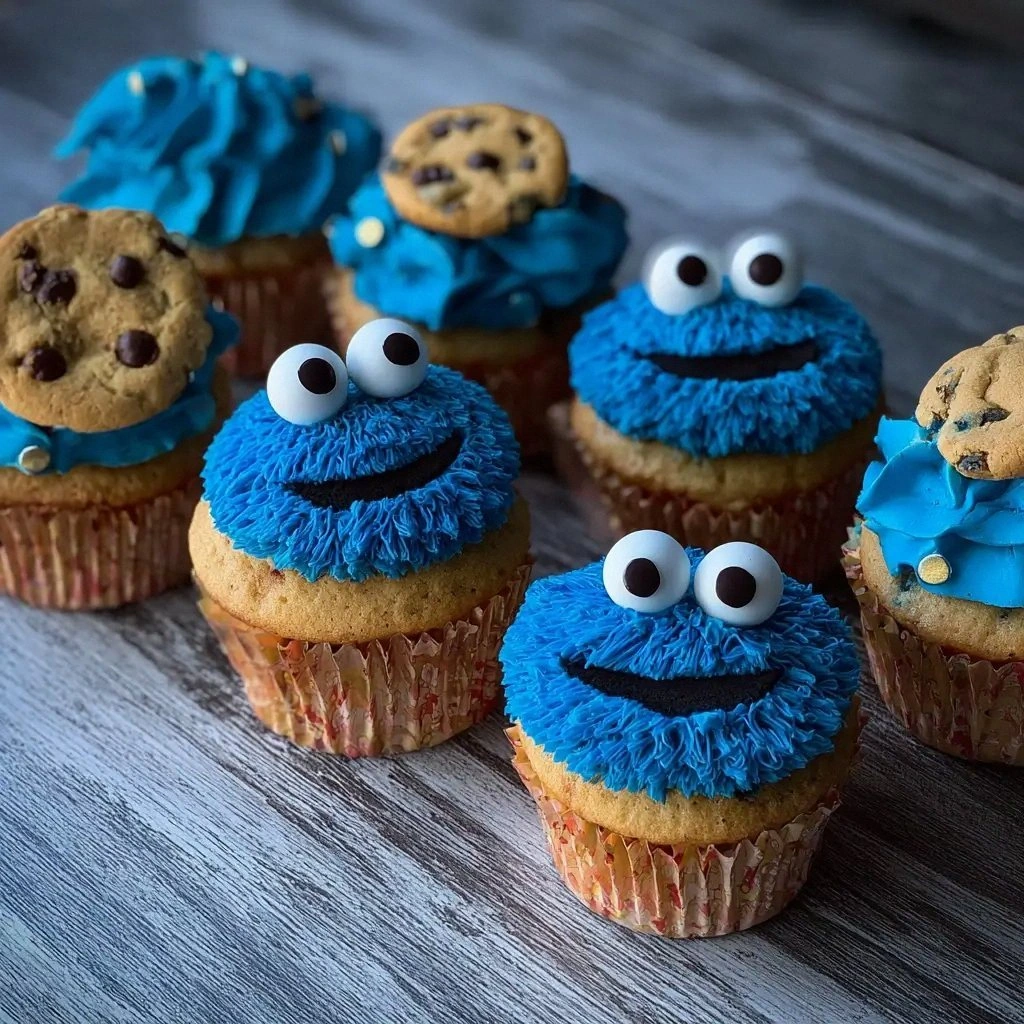
The Method — Step by Step
- Preheat your oven to 350°F (175°C) and line a 12‑cup muffin tin with paper liners. The heat should feel warm but not scorching—think a gentle summer breeze. This temperature ensures the cupcakes rise evenly without burning the edges. If you’re in a hot kitchen, keep an eye on the oven thermometer to avoid overheating.
- In a large bowl, whisk together the flour, baking powder, baking soda, and salt. These dry ingredients need to be well combined to distribute the leavening agents evenly. A fine‑mesh sieve can help remove any clumps for a smoother batter. This step is crucial for that airy texture.
- In a separate bowl, cream the softened butter with the granulated and brown sugars until the mixture is light and fluffy. The creaming process incorporates air, which will help the cupcakes rise. Use an electric mixer on medium speed for about 3 minutes. If you’re hand‑mixing, make sure to beat vigorously to achieve the same effect.
- Add the eggs one at a time, beating well after each addition. The eggs act as binders and add richness. Be sure to scrape the sides of the bowl to incorporate all the butter and sugar. The batter should look glossy and smooth.
- Stir in the vanilla extract and milk, mixing until just combined. Overmixing at this point can develop gluten and make the cupcakes tough. The batter should be thick but pourable; add a splash more milk if it feels too thick.
- Gently fold in the dry ingredients, stirring until no streaks remain. The batter should be silky and free of lumps. This is the moment of truth—any clumps will affect the final texture.
- Fold in the chocolate chips and cookie dough chunks with a spatula. Handle the cookie dough gently to preserve its shape. The chunks will create pockets of goo that melt as the cupcakes bake. Be careful not to overmix, as this can break up the dough pieces.
- Fill each paper liner about two-thirds full with batter. This prevents overflow and gives the cupcakes room to rise. Tap the tin lightly on the counter to release any air bubbles. The cupcakes should rise to the top of the liners without spilling over.
- Bake for 18–22 minutes, or until a toothpick inserted into the center comes out clean. The cupcakes should have a golden crust and a slightly glossy surface. The edges will pull away slightly from the liners—a good sign of proper baking.
- Remove the cupcakes from the oven and let them cool in the tin for 5 minutes before transferring them to a wire rack. Cooling on the rack prevents sogginess from trapped steam. Once cooled, you can apply your favorite frosting or enjoy them plain.
That's it—you did it. But hold on, I've got a few more tricks that'll take this to another level…
Insider Tricks for Flawless Results
The Temperature Rule Nobody Follows
Bake at exactly 350°F. Many bakers think a higher temperature gives a crisper top, but it actually burns the edges before the middle cooks. Use an oven thermometer to confirm the temperature; many ovens run 10–15°F higher than the dial suggests.
Why Your Nose Knows Best
The moment the cupcakes start to smell slightly caramelized, it’s time to pull them out. The aroma is a reliable indicator that the batter has reached the right moisture level. Trust your nose—overbaking is a common pitfall.
The 5-Minute Rest That Changes Everything
Let the cupcakes rest on the tin for 5 minutes after removing them from the oven. This allows the steam to settle and the cupcakes to set, preventing them from falling apart when transferred to a rack. A friend once tried skipping this step and the cupcakes collapsed like a paper snowflake.
Keep It Cool
If you’re baking during a hot day, place the muffin tin in a shaded area or use a fan to keep the air circulating. Heat can cause uneven baking, leading to a soggy center and a burnt top.
Frosting Timing
Apply frosting only after the cupcakes are completely cool. Warm frosting can melt the batter, creating a soggy mess. If you’re short on time, a quick glaze of melted chocolate works beautifully.
The Moisture Trick
Add a tablespoon of sour cream to the batter to boost moisture and add a subtle tang that balances the sweetness. Sour cream also helps keep the cupcakes tender even after storage.
Creative Twists and Variations
This recipe is a playground. Here are some of my favorite ways to switch things up:
Salted Caramel Swirl
Fold in a swirl of salted caramel sauce before baking, then top with sea salt crystals after frosting. The caramel adds a sweet‑salty kick that pairs perfectly with the chocolate. Great for guests who love a gourmet twist.
Minty Fresh
Add a teaspoon of peppermint extract to the batter and garnish with crushed mint candies. The mint gives a refreshing contrast to the rich chocolate, making it a seasonal favorite for spring or summer.
Nutty Crunch
Replace half the chocolate chips with chopped walnuts or pecans. The nuts add a satisfying crunch and a nutty aroma that elevates the cupcake’s flavor profile. They also provide a healthy dose of protein.
Espresso Boost
Stir in a tablespoon of instant espresso powder to intensify the chocolate flavor. The coffee undertone adds depth, making these cupcakes a perfect match for a post‑meal coffee break.
Fruit‑Infused
Add a handful of dried cranberries or raisins to the batter for a chewy, tart contrast. The fruit pieces create pockets of sweetness that burst with each bite. Ideal for a holiday gathering.
Almond Joy Variation
Swap the chocolate chips for coconut flakes and add a tablespoon of almond butter to the batter. Finish with a drizzle of dark chocolate and a sprinkle of shredded coconut on top. This version captures the beloved candy bar’s essence.
Storing and Bringing It Back to Life
Fridge Storage
Store cooled cupcakes in an airtight container at room temperature for up to 3 days. The cupcakes will stay moist and flavorful when wrapped in parchment paper. Avoid refrigeration unless you’re in a very humid area.
Freezer Friendly
Freeze cupcakes in a single layer on a baking sheet before transferring to a freezer bag. They can be stored for up to 2 months. Thaw at room temperature for 30 minutes before frosting for best texture.
Best Reheating Method
To revive frozen cupcakes, place them on a parchment‑lined tray and warm in a preheated oven at 300°F for 8–10 minutes. Add a tiny splash of water to the batter before reheating to steam back to perfection. Finish with a light dusting of powdered sugar for a fresh look.