I was in the middle of a disastrous attempt at a quick dinner when my phone buzzed with a notification from a friend who’d just discovered the most mind‑blowing chickpea curry. I stared at the empty pan, the aroma of burnt onions wafting from the stove, and thought, “If only there was a recipe that could turn this mess into a masterpiece.” That was the moment the idea hit me: a chickpea curry that’s not just another curry, but the best version you’ll ever make at home.
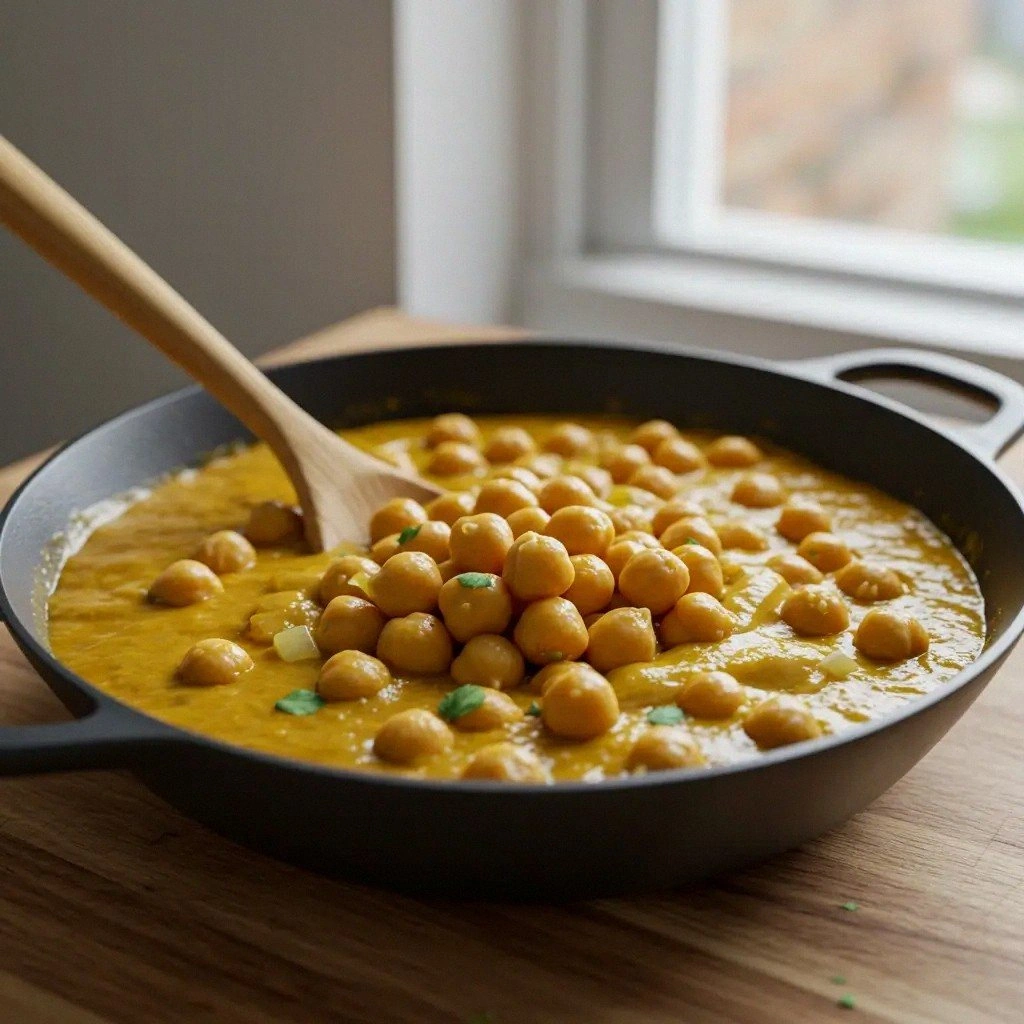
Picture this: a pot bubbling with a fragrant blend of cumin, coriander, and turmeric, the deep amber of coconut milk swirling into a glossy sauce, and chickpeas that cling to every spoonful like velvety beads. The sound of the sauce simmering is a low, comforting hum, and the scent of fresh cilantro and lime zest rises like a promise of fresh, bright flavor. The first bite is a warm, spicy hug that settles in your stomach with a satisfying thickness, yet it’s light enough that you can keep going. That’s the sensory snapshot I wanted to capture.
What makes this version stand out isn’t just the combination of spices; it’s the deliberate layering of textures, the careful timing that lets each ingredient shine, and the little tricks I’ve learned from experimenting over countless nights. I dare you to taste this and not go back for seconds. The sauce coats the chickpeas like velvet, and the subtle heat from the chili powder lingers long after you finish. It’s a dish that feels both exotic and utterly comforting, a recipe that will make you wonder how you ever made it any other way.
Let me walk you through every single step — by the end, you’ll wonder how you ever made it any other way. From the first sizzle of onions to the final flourish of cilantro, this recipe will guide you through a culinary journey that feels like a well‑orchestrated symphony. Stay with me here, because the next part? Pure magic.
What Makes This Version Stand Out
- Flavor Depth: The blend of cumin, coriander, and garam masala creates layers of complexity that unfold with each bite.
- Texture Harmony: Creamy coconut milk meets hearty chickpeas for a satisfying mouthfeel that’s neither too heavy nor too thin.
- Time Efficiency: Every step is designed to be quick, making this a perfect week‑night dinner that feels luxurious.
- Ingredient Quality: Using canned chickpeas for convenience and fresh herbs for brightness elevates the dish.
- Make‑Ahead Friendly: The curry tastes even better the next day, so you can cook in bulk and enjoy leftovers.
- Versatility: Pair it with rice, naan, or a side of sautéed greens for a complete meal.
Alright, let’s break down exactly what goes into this masterpiece…
Inside the Ingredient List
The Flavor Base
The foundation of this curry starts with sautéed onions, garlic, and ginger. These aromatics release sweet, earthy notes that set the tone. If you skip this step, the dish will feel flat and under‑seasoned. For a richer flavor, use a splash of vegetable broth while sautéing to deglaze the pan.
The Texture Crew
Canned chickpeas are the star here, providing a protein‑rich, satisfying bite. Drain and rinse them to remove excess sodium and astringency. If you prefer a firmer bite, rinse them under hot water for a minute or two before adding. Skipping chickpeas would turn this into a tomato‑coconut stew, which is delicious but not the same.
The Unexpected Star
Coconut milk is the secret to that silky, luscious sauce. It balances the heat from the spices and gives the curry a luxurious mouthfeel. If you’re lactose intolerant or prefer a lower‑fat option, substitute with light coconut milk or a blend of coconut milk and cashew cream. Without coconut milk, the dish loses its signature creaminess.
The Final Flourish
Fresh cilantro and a squeeze of lime juice add brightness and cut through the richness. These finishing touches elevate the dish from good to unforgettable. If you’re not a fan of cilantro, parsley can be an alternative, though it will alter the flavor profile slightly.
Everything's prepped? Good. Let’s get into the real action…
The Method — Step by Step
- Step 1: Sauté Aromatics Heat 2 tablespoons of vegetable oil in a large saucepan over medium heat. Add 1 cup of diced onions and cook until translucent, about 5 minutes. Stir in 3 minced garlic cloves and 1 inch of minced ginger, cooking until fragrant, about 2 minutes. The oil should shimmer and the aroma should fill the kitchen.
- Step 2: Add Tomato Paste Stir in 2 tablespoons of tomato paste and cook for 1 minute, letting it caramelize slightly. This adds depth and a subtle sweetness that balances the spices. The mixture should darken to a rich mahogany color.
- Step 3: Introduce Spices Sprinkle in 1 teaspoon each of cumin, coriander, turmeric, garam masala, and chili powder. Toss the mixture to coat the aromatics. The spices should release their oils, giving off a warm, nutty aroma. If you’re cautious about heat, start with half the chili powder.
- Step 4: Deglaze and Simmer Pour in 1 cup of coconut milk and stir to combine. Add 2 cups of drained chickpeas. Bring the mixture to a gentle simmer. Reduce the heat to low and let it cook for 10 minutes, allowing the chickpeas to absorb the spices. The sauce should thicken slightly.
- Step 5: Season and Finish Season with 1 teaspoon of salt and 1/2 teaspoon of black pepper. Add 1 tablespoon of lime juice and 1/4 cup of chopped cilantro. Stir gently. The lime should brighten the dish, while cilantro adds a fresh, herbal note.
- Step 6: Rest and Serve Remove the pot from heat and let the curry rest for 5 minutes. This allows the flavors to meld. Serve hot over steamed rice or with warm naan. If you like a creamy texture, drizzle a little plain yogurt on top.
- Step 7: Garnish Sprinkle additional cilantro and a wedge of lime on the side. The citrus zest and fresh herbs add a final pop of color and aroma.
- Step 8: Enjoy Take a spoonful and let the warmth spread through your body. This dish is comforting, spicy, and utterly satisfying.
That's it — you did it. But hold on, I've got a few more tricks that'll take this to another level…
Insider Tricks for Flawless Results
The Temperature Rule Nobody Follows
Cooking at a steady low simmer ensures the chickpeas absorb the spices without becoming mushy. If the heat is too high, the coconut milk can curdle. I learned this the hard way when my first batch split, and I’ve never gone back to high heat again.
Why Your Nose Knows Best
Your nose is the best judge of doneness. When the aroma of toasted spices fills the kitchen, you know the curry is ready. I used to rely on the clock, but now I trust my nose to guide me.
The 5‑Minute Rest That Changes Everything
Letting the curry rest after cooking allows the flavors to settle and the chickpeas to soak up the sauce. Skipping this step often results in a dish that feels under‑seasoned.
The Right Balance of Heat
Adjust the chili powder to your taste. Start with 1 teaspoon and taste before adding more. Too much heat can overpower the coconut milk’s richness.
The Final Touch of Freshness
A splash of lime juice right before serving brightens the dish. I’ve found that a tablespoon of fresh lime juice is enough to lift the flavors without making the dish acidic.
Creative Twists and Variations
This recipe is a playground. Here are some of my favorite ways to switch things up:
Spicy Peanut Twist
Add 2 tablespoons of creamy peanut butter to the sauce for a nutty, slightly sweet flavor. The peanut butter thickens the sauce and pairs well with the coconut milk.
Mango Madness
Stir in 1 cup of diced ripe mango just before serving. The sweetness of the mango contrasts the heat and adds a tropical vibe.
Crispy Chickpea Finish
Sauté 1 cup of chickpeas in 1 tablespoon of oil until golden and crispy. Sprinkle them on top for a delightful crunch.
Vegetable Medley
Add 1 cup of chopped carrots and 1 cup of peas during the simmering stage. The vegetables bring color, sweetness, and extra nutrients.
Greek Yogurt Swirl
Serve the curry with a dollop of plain Greek yogurt to add creaminess and a tangy contrast.
Indian Breakfast Spin
Use the curry as a filling for a savory breakfast wrap with a fried egg. The flavors pair surprisingly well with the protein of the egg.
Storing and Bringing It Back to Life
Fridge Storage
Cool the curry completely, then transfer it to an airtight container. Store in the refrigerator for up to 4 days. The flavors deepen as the spices meld.
Freezer Friendly
Freeze the curry in portioned containers for up to 3 months. Thaw overnight in the refrigerator before reheating.
Best Reheating Method
Reheat on the stovetop over low heat, stirring occasionally. Add a splash of water or coconut milk to loosen the sauce. The tiny splash of water helps steam the curry back to its original silky texture.