Picture this: a rainy Thursday night, the pantry looking as barren as a desert, and a sudden craving for something that feels like a tropical hug. I was half‑heartedly scrolling through recipes when a rogue comment from a friend dared me to combine two of my favorite things—crispy chicken and kale—into a single dish. The result? A flavor bomb that exploded in my kitchen, making the stovetop hiss like a choir of tiny fireworks. I’ll be honest — I ate half the batch before anyone else got a taste, and that’s exactly the kind of confession that convinces you this recipe is worth the hype.
The aroma that filled the air was instantly intoxicating: the sweet, nutty perfume of coconut milk mingling with the earthy, slightly bitter whisper of kale as it wilted into submission. My senses were on a rollercoaster— the sizzle of chicken searing in olive oil was a crisp soundtrack, the steam rising like a tropical mist, the heat of the pan warming my fingertips, and the anticipation building with each stir. I could almost taste the creamy sauce hugging the chicken, each bite promising a crunchy‑soft contrast that made my tongue do a happy dance.
Most recipes I’ve tried either drown the kale in sauce or leave the chicken dreadfully bland. This version, however, is hands down the best version you’ll ever make at home because it respects each ingredient’s personality while coaxing out a symphony of flavors that don’t compete—they collaborate. The secret? A splash of lime juice added at the very end, turning the whole thing bright enough to cut through the richness like a sunrise over the Pacific.
And now for the tease: I’m about to reveal a tiny trick involving a quick deglaze that locks in moisture and creates a glossy coating that makes the dish look restaurant‑ready. Okay, ready for the game‑changer? Let me walk you through every single step — by the end, you’ll wonder how you ever made it any other way.
What Makes This Version Stand Out
- Flavor Fusion: The creamy coconut milk melds with the peppery kale, creating a balanced sauce that feels both indulgent and refreshing.
- Texture Play: Crispy, golden‑brown chicken pieces sit atop velvety kale, delivering a satisfying crunch‑to‑soft mouthfeel.
- Simplicity: Only twelve ingredients, all pantry‑friendly, yet the dish feels like a culinary trip to a beachside bistro.
- Uniqueness: The subtle lime finish and a pinch of smoked paprika give it an unexpected depth you won’t find in standard chicken‑kale combos.
- Crowd Reaction: Expect loud “Mmm!” moments; this dish consistently clears plates faster than you can say “seconds, please.”
- Ingredient Quality: Using fresh kale and full‑fat coconut milk makes a world of difference—no shortcuts, just pure flavor.
- Cooking Method: A one‑pan approach means less cleanup and more time to admire the glossy sauce as it pools around the chicken.
- Make‑Ahead Potential: The sauce actually improves after a short rest, making leftovers taste even better.
Alright, let's break down exactly what goes into this masterpiece...
Inside the Ingredient List
The Flavor Base
Olive oil (1 tbsp): It’s the silent hero that carries heat and flavor into the pan, ensuring the chicken develops that coveted golden crust. Skipping it leaves the meat dry and the pan stubbornly sticky. If you’re out, a splash of grapeseed oil works just as well because of its high smoke point.
Onion (1 large, diced): The onion’s natural sugars caramelize, creating a sweet undertone that balances the coconut’s richness. Forgetting it makes the sauce taste flat, like a song missing its chorus. Choose a yellow onion for the best flavor depth.
Garlic (3 cloves, minced) & Ginger (1 tbsp, grated): This duo forms a fragrant duet that instantly lifts the dish from “home‑cooked” to “restaurant‑worthy.” Over‑cooking will make them bitter, so watch them closely—just until they’re golden and fragrant.
The Texture Crew
Chicken thighs (2 lbs, boneless, skinless): Dark meat stays juicy even after simmering, providing that melt‑in‑your‑mouth feel. If you opt for breasts, brine them for 15 minutes first, or they’ll end up dry as a desert.
Smoked paprika (½ tsp) & Cayenne pepper (¼ tsp, optional): These spices give the dish a subtle smoky heat that lingers on the palate without overwhelming the coconut’s sweetness. Omit cayenne for a milder version, but you’ll miss the gentle kick that makes the dish unforgettable.
Kale (4 cups, stems removed, torn): Kale is the sturdy green that holds up to simmering, delivering a bite‑size texture that softens just enough to absorb the sauce. If you can’t find kale, try Swiss chard or collard greens, though the flavor profile shifts slightly.
The Unexpected Star
Coconut milk (1 can, 13.5 oz): This is the silk that ties everything together, providing a luscious, buttery mouthfeel. Low‑fat versions will thin out the sauce and lose that signature richness—don’t skimp here.
Fresh lime juice (1 tbsp): The acidity slices through the creaminess, brightening the dish like a sudden sunrise. Add it at the end, otherwise the lime’s volatile aromatics evaporate.
The Final Flourish
Salt & pepper (to taste): The classic duo that awakens every other flavor. Taste as you go; you’ll notice the sauce becomes more layered with each adjustment.
Fresh cilantro (optional, for garnish): A sprinkle at the finish adds a herbaceous pop that complements the coconut’s tropical vibe. If you dislike cilantro, fresh parsley works as a mild alternative.
Everything's prepped? Good. Let's get into the real action...
The Method — Step by Step
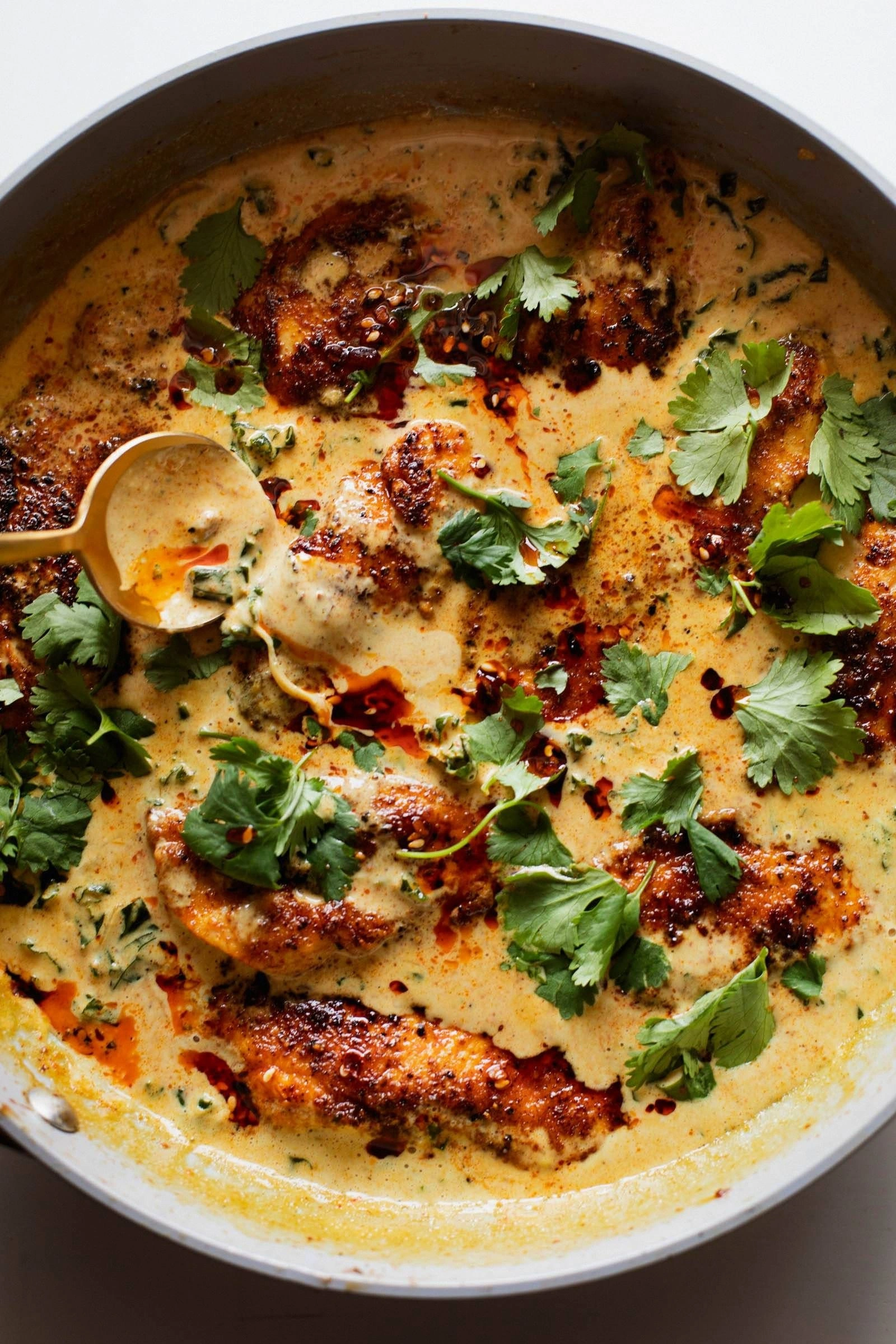
Heat the olive oil in a large, heavy‑bottomed skillet over medium‑high heat. When the oil shimmers, add the chicken pieces in a single layer. Let them sear undisturbed for about 3‑4 minutes until the underside turns a deep golden‑brown, then flip and brown the other side. That sizzle when it hits the pan? Absolute perfection. Remove the chicken onto a plate and set aside; it will finish cooking later in the sauce.
In the same pan, drop the diced onion, stirring occasionally. After 2‑3 minutes, the onion should start to turn translucent and the edges caramelize lightly. Add the minced garlic and grated ginger, and cook for another 30 seconds—watch for that fragrant perfume that tells you you’re on the right track.
Kitchen Hack: If the garlic starts to brown too quickly, lower the heat a notch; burnt garlic ruins the entire sauce.Now sprinkle in the cumin, coriander, smoked paprika, and optional cayenne. Stir constantly for about a minute, allowing the spices to become fragrant—this step is the secret to a deep, layered flavor. It’s the moment of truth: if the spices smell too raw, you’ve under‑cooked them; if they start to stick, add a splash of water.
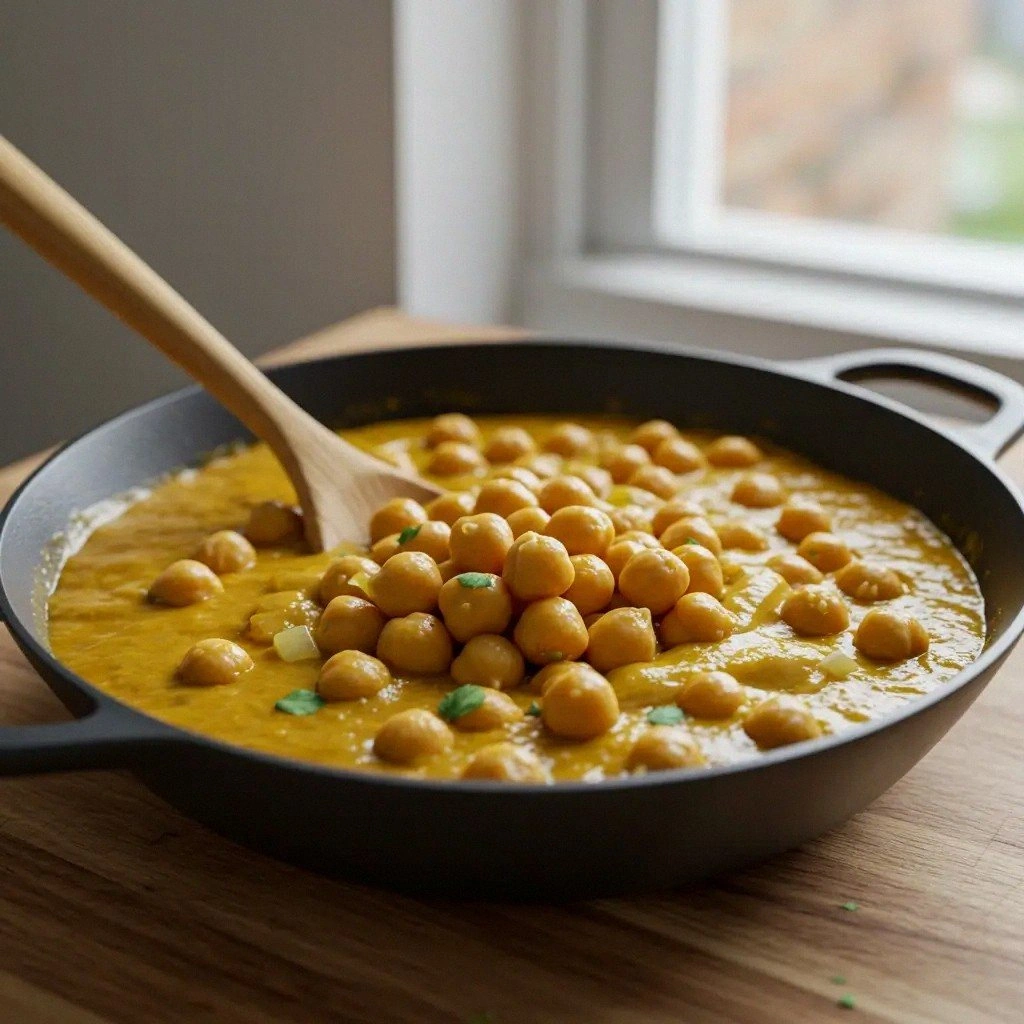
Pour in the coconut milk, scraping the bottom of the pan to release any browned bits (those are flavor gold). Bring the mixture to a gentle simmer, then lower the heat so it bubbles quietly. Let it reduce slightly, about 5‑6 minutes, until the sauce thickens enough to coat the back of a spoon.
While the sauce is reducing, return the seared chicken to the pan, tucking the pieces into the creamy pool. Stir in the torn kale, allowing it to wilt gradually—about 3‑4 minutes should do it. The kale will turn a vibrant emerald, and the sauce will cling to each leaf like silky ribbons.
Watch Out: If you add the kale too early, it will over‑cook and become mushy, losing its pleasant bite.Season with salt and pepper, then drizzle the lime juice around the perimeter of the pan. Give everything a gentle toss; the acidity will lift the flavors and add that final sparkle. At this point, the chicken should be cooked through—no longer pink in the center—and the sauce should be glossy, clinging lovingly to each morsel.
Turn off the heat and let the dish rest for 5 minutes. This short rest allows the flavors to meld, turning a good dish into a great one. While you wait, grab a handful of fresh cilantro, give it a rough chop, and set it aside for garnish.
Serve the chicken and kale directly from the pan onto warm plates or a serving bowl. Sprinkle the cilantro over the top for a burst of green freshness. Pair with steamed jasmine rice or cauliflower rice if you’re watching carbs—either way, the sauce will soak in beautifully.
Finally, take a moment to admire your creation. Picture yourself pulling this out of the oven, the whole kitchen smelling incredible, and then dive in. I dare you to taste this and not go back for seconds—trust me, you’ll be begging for the recipe card at the end.
That's it — you did it. But hold on, I've got a few more tricks that'll take this to another level...
Insider Tricks for Flawless Results
The Temperature Rule Nobody Follows
Most home cooks crank the heat to “high” because they think faster means better. In reality, a moderate flame gives chicken a uniform crust while keeping the interior juicy. I once tried a blaze‑off‑the‑wall approach; the outside charred like burnt toast while the middle stayed pink. Keep the skillet at a steady medium‑high and you’ll get that perfect caramelized exterior every time.
Why Your Nose Knows Best
Cooking is a full‑body experience, and your nose is the ultimate gauge. When the onion turns from white to a translucent gold and the garlic releases its perfume, you’re at the sweet spot. If the scent turns acrid, you’ve crossed into burnt territory. Trust that aromatic cue more than a timer.
The 5‑Minute Rest That Changes Everything
Resting isn’t just for steaks. Letting the chicken and kale sit after cooking lets the fibers relax and the sauce re‑absorb into the meat. I used to skip this step, only to find the sauce sliding off the plate. A brief five‑minute pause makes the sauce cling like glue.
Seasoning in Layers
Season early, season again, and finish with a final pinch. The first sprinkle of salt draws out moisture from the onion, intensifying flavor. The second addition after the coconut milk balances the richness. The final dash, right before serving, awakens every component. Skipping any layer leads to a flat‑tasting dish.
Choose the Right Kale
Lacinato kale (also known as dinosaur kale) has thinner ribs and a sweeter flavor compared to curly kale, which can be too tough for quick simmering. If you only have curly kale, slice the stems very thinly and give them an extra minute in the pan. The texture will still be delightful, but the flavor profile will shift slightly.
Creative Twists and Variations
This recipe is a playground. Here are some of my favorite ways to switch things up:
Spicy Thai Remix
Swap the cumin and coriander for red curry paste, and add a splash of fish sauce. The dish transforms into a Thai‑style wonder with a deeper umami punch. Perfect for anyone who loves a balanced heat.
Creamy Cashew Crunch
Blend a quarter cup of soaked cashews into the coconut milk before adding it to the pan. The sauce becomes nuttier, and you’ll get a subtle crunchy texture from the cashews when served.
Moroccan Flair
Introduce ground cinnamon, turmeric, and a handful of golden raisins. The sweet‑spicy combo brings a North‑African vibe that pairs beautifully with couscous instead of rice.
Veggie‑Boosted
Add diced bell peppers and shredded carrots alongside the kale for extra color and a slight sweetness. This version is great for feeding picky eaters who need a visual cue to eat greens.
Low‑Carb Coconut Cream
Replace the coconut milk with coconut cream (use half the amount) and serve over cauliflower rice. The dish becomes richer, lower in carbs, and perfect for keto enthusiasts.
Storing and Bringing It Back to Life
Fridge Storage
Let the dish cool to room temperature, then transfer it to an airtight container. It keeps fresh for up to 4 days. When reheating, add a splash of water or extra coconut milk to loosen the sauce, then warm gently on the stove.
Freezer Friendly
Portion the chicken and kale into freezer‑safe bags, removing as much air as possible. Freeze for up to 3 months. Thaw overnight in the fridge, then reheat in a saucepan over low heat, stirring occasionally.
Best Reheating Method
The secret is a low, slow heat. Place the leftovers in a skillet, add a tablespoon of water, and cover with a lid. Let it steam for 5‑6 minutes, stirring once. The sauce will revive, and the chicken stays tender.