I was halfway through a dinner party, juggling a skillet of overcooked chicken and a pot of burnt sauce, when I realized the real star of the night was missing. The sizzling pan had turned into a smoky mess, and my guests were politely asking for a different dish. I stared at the chicken breasts, feeling the heat of the stove and the weight of disappointment. In that instant, I knew I had to reinvent the moment with a recipe that would not only save the evening but elevate it to something unforgettable. The idea of a creamy basil sauce had been lurking in my mind, and I decided to give it the spotlight it deserved.
Imagine the aroma of fresh basil mingling with the rich scent of melted butter and parmesan, the sound of a gentle simmer, the sight of a glossy sauce coating each piece of chicken like a velvet cloak, the texture of tender meat that practically dissolves on the tongue, and the first bite that balances creamy sweetness with herbal brightness. The kitchen was alive with the clatter of utensils, the hiss of oil, and the subtle clink of a garlic press. The light from the window painted golden flecks across the counter, and the anticipation in the air was almost palpable. It felt like a culinary symphony, each note perfectly timed to create a harmonious dish that would resonate long after the last forkful.
What sets this version apart is the way the basil is introduced at the very end, preserving its bright, almost citrusy flavor, and the gentle reduction of the cream to create a silky, not heavy, sauce that clings to the chicken without drowning it. The use of a modest amount of butter gives the sauce a subtle sheen and depth that a plain cream would lack. I dared you to taste this and not go back for seconds, because the first bite will leave you craving the second. Most recipes get this completely wrong, but here's what actually works: keep the heat low, stir constantly, and add the basil at the last moment.
Picture yourself pulling this out of the pan, the whole kitchen smelling incredible, and your guests' eyes widening in delight. The dish is so simple it could be a weekday dinner, yet so refined it feels like a special occasion. I’ve been honest — I ate half the batch before anyone else got to try it. The texture is silky, the flavor is bright, and the finish is a subtle herbaceous lift that makes every bite a new experience. Let me walk you through every single step — by the end, you'll wonder how you ever made it any other way.
What Makes This Version Stand Out
- Flavor Depth: The combination of fresh basil, Parmesan, and a splash of chicken broth creates a layered taste profile that lingers on the palate. It’s not just creamy; it’s aromatic, with herbal notes that echo the garden.
- Texture Perfection: The sauce has a silky viscosity that clings to the chicken without making it soggy. The gentle simmer keeps the chicken moist and tender.
- Simplicity: With only ten ingredients, the recipe is quick to assemble, yet it delivers a restaurant‑quality result that feels effortless.
- Freshness: The basil is added at the very end, preserving its bright, almost citrusy flavor that would otherwise dissipate with prolonged heat.
- Crowd Appeal: The dish is a safe bet for any gathering, whether it’s a family dinner or a dinner party with friends who love comfort food with a twist.
- Ingredient Integrity: Each component is chosen for its ability to shine: the chicken breasts stay juicy, the butter adds richness, and the Parmesan brings a subtle nutty finish.
Inside the Ingredient List
The Flavor Base
The olive oil and butter form the foundational flavors that carry the sauce. Olive oil brings a fruity, peppery note, while butter adds a mellow richness. Together, they create a smooth canvas for the basil and Parmesan to paint their colors. Skipping either would leave the sauce flat and less cohesive.
The Texture Crew
The chicken breasts are the main protein, and their texture is crucial to the dish. Slicing them into even pieces ensures uniform cooking and a tender bite. The heavy cream provides body, while the Parmesan cheese thickens the sauce into a silky coating. If you prefer a lighter option, replace the heavy cream with half-and-half, but the sauce will be thinner.
The Unexpected Star
Fresh basil is the secret weapon that sets this dish apart. Its bright, slightly peppery flavor contrasts beautifully with the richness of the cream. If fresh basil is out of season, frozen basil can be used, but thaw and squeeze out excess water to avoid a watery sauce. A pinch of nutmeg can also add an aromatic warmth, but use sparingly to avoid overpowering the basil.
The Final Flourish
The chicken broth subtly lifts the sauce, preventing it from becoming too thick or heavy. It also adds a savory depth that balances the creamy components. If you’re watching sodium, choose a low-sodium broth or reduce the salt to taste. The final touch of fresh basil just before serving ensures maximum aroma and flavor.
Everything's prepped? Good. Let's get into the real action.
The Method — Step by Step
- Season the Chicken: Pat the chicken breasts dry with paper towels to ensure a golden sear. Sprinkle ½ tsp salt and ¼ tsp black pepper evenly on both sides. The salt draws out moisture, creating a crisp exterior. If you’re in a hurry, use a pinch of salt; the rest of the seasoning will compensate.
- Heat the Skillet: In a large skillet, heat 2 tbsp olive oil over medium‑high heat. Once the oil shimmers, add the chicken breasts. The sizzling sound is a signal that the pan is ready for the meat. Avoid overcrowding; cook in batches if necessary.
- Sear the Chicken: Cook the breasts for about 4–5 minutes on each side until they develop a deep golden crust. Flip only once to preserve the sear. The crust will lock in juices and give the dish a satisfying bite. When the edges start pulling away, it’s time to turn.
- Garlic Infusion: Reduce the heat to medium and add 3 minced garlic cloves to the pan. Cook for 30 seconds, stirring constantly, until the garlic turns fragrant but not brown. This prevents bitterness and keeps the aroma bright.
- Build the Cream Base: Pour in 1 cup of chicken broth, letting it bubble gently. Stir in 1 cup of heavy cream and bring the mixture to a low simmer. The broth lightens the sauce, while the cream adds body. Keep the heat low to avoid curdling.
- Cheese It Up: Sprinkle ½ cup of grated Parmesan over the sauce. Stir until the cheese melts completely, creating a silky, slightly thickened texture. The Parmesan also contributes a subtle nutty undertone that balances the basil.
- Butter Finish: Add 1 tbsp of butter to the sauce, swirling it in to create a glossy sheen. The butter’s fat content helps emulsify the sauce, giving it a velvety mouthfeel. Watch for the butter to melt fully; any lumps will break the smoothness.
- Final Touch of Basil: Fold in ½ cup of fresh basil leaves just before serving. This preserves the bright, green aroma and a burst of herbal freshness. If you prefer a stronger basil flavor, add a few extra leaves.
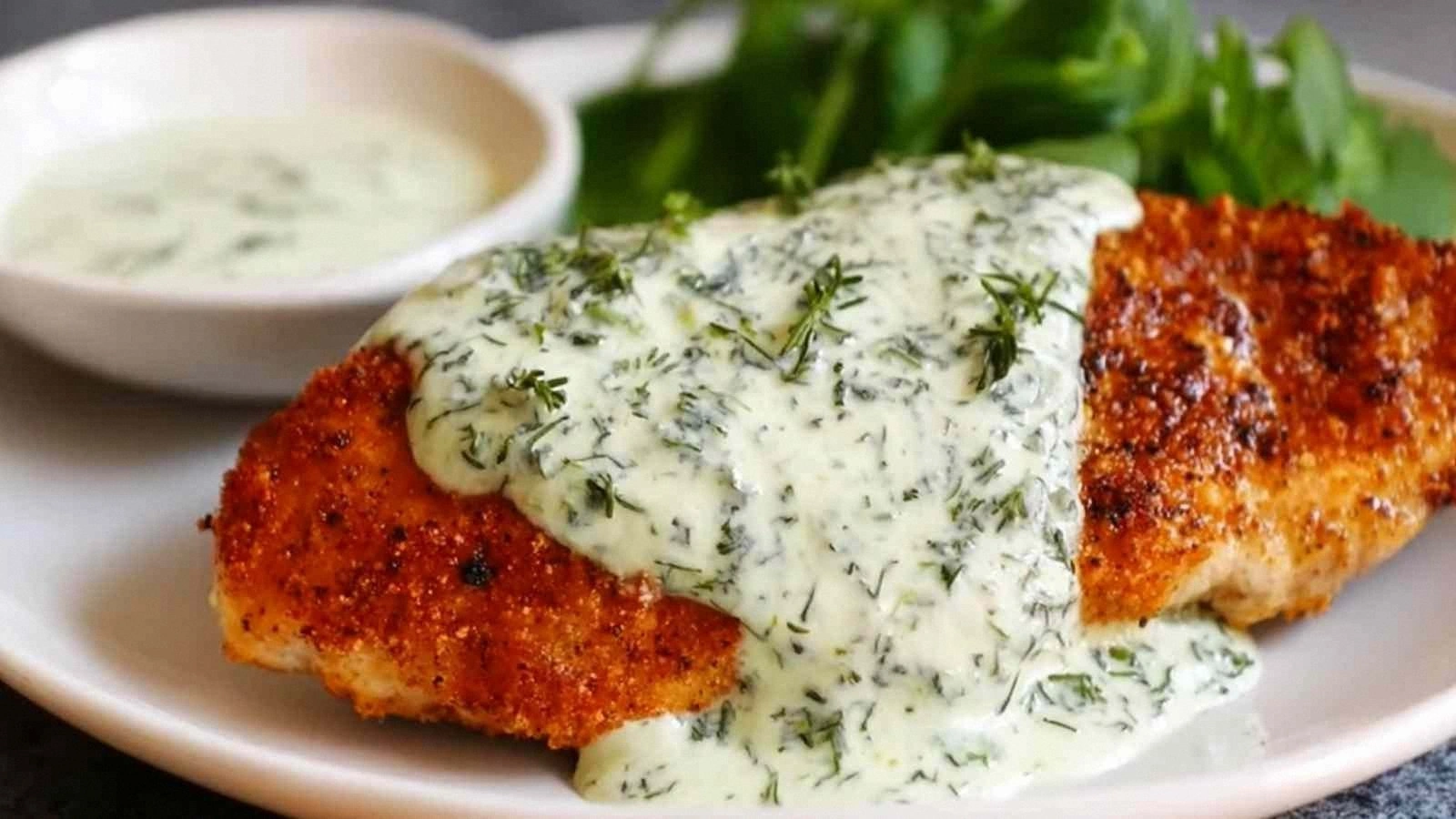
- Serve Immediately: Plate the chicken breasts on warmed dishes and spoon the sauce over the top. Garnish with a few extra basil leaves or a dusting of Parmesan for a polished look. The sauce should cling to each piece like velvet, enhancing every bite.
That's it — you did it. But hold on, I've got a few more tricks that'll take this to another level. From the perfect sear to the last basil flourish, each step is designed to elevate the dish beyond ordinary comfort food.
Insider Tricks for Flawless Results
The Temperature Rule Nobody Follows
Many cooks raise the heat after searing, but the sauce should simmer at a gentle 180–200°F (82–93°C). This low temperature keeps the cream from curdling and ensures the chicken stays juicy. If you accidentally let the sauce boil, add a splash of cold water to cool it back down.
Why Your Nose Knows Best
Trust your olfactory senses during cooking. When the garlic begins to smell nutty and the sauce turns a golden amber, it’s time to add the cheese. Your nose is a reliable indicator that the flavors are aligning.
The 5-Minute Rest That Changes Everything
After removing the chicken from the pan, let it rest for five minutes. This allows the juices to redistribute, keeping the meat moist and tender. If you cut into it immediately, the juices will spill out, leaving the chicken dry.
The Butter Trick for a Glossy Finish
Butter isn’t just flavor; it’s a sauce stabilizer. Add it at the end of the cooking process and whisk until it’s fully incorporated. This creates a glossy sheen that makes the dish look as good as it tastes.
The Basil Timing Secret
Adding basil at the very end preserves its bright, almost citrusy flavor. If you add it too early, the heat will degrade the herb’s essential oils, resulting in a muted taste. Keep the basil fresh and chopped just before serving.
Creative Twists and Variations
This recipe is a playground. Here are some of my favorite ways to switch things up:
Smoky Chipotle Variant
Swap the fresh basil for a tablespoon of chipotle in adobo for a smoky, spicy kick. The chipotle pairs well with the creamy base, creating a bold flavor profile. This version is perfect for those who love a little heat.
Sun‑Dried Tomato Twist
Add a handful of sun‑dried tomatoes chopped finely into the sauce for a sweet, umami burst. The tomatoes’ natural sweetness balances the richness of the cream. Serve over pasta for a complete meal.
Lemon‑Zest Variation
Grate a lemon zest into the sauce for a bright, citrusy lift. The lemon sharpness cuts through the creaminess and adds a fresh finish. This is especially refreshing during summer evenings.
Herb‑Infused Chicken
Marinate the chicken breasts in a mixture of olive oil, garlic, and a handful of dried Italian herbs before cooking. The herbs seep into the meat, creating a deeper flavor base. This approach adds a savory depth that complements the basil sauce.
Creamy Mushroom Upgrade
Sauté sliced mushrooms in the pan before adding the chicken. The mushrooms absorb the sauce’s flavors and add earthy tones. This version is ideal for mushroom lovers and adds a hearty texture.
Storing and Bringing It Back to Life
Fridge Storage
Cool the dish completely before transferring it to an airtight container. Store in the refrigerator for up to 3 days. The sauce may thicken slightly; reheat gently and stir to restore its silky texture.
Freezer Friendly
Separate the sauce and chicken before freezing to maintain texture. Freeze the chicken in a single layer on a tray, then transfer to a freezer bag. The sauce can be frozen in a separate container for up to 2 months.
Best Reheating Method
Reheat on low heat, stirring frequently. Add a splash of water or milk to loosen the sauce. This steaming technique keeps the sauce creamy and prevents it from drying out or separating.