I once tried to make a quick lunch between conference calls, and what I ended up with was a soggy, flavor‑less sandwich that could have passed for a culinary crime scene. The bread was limp, the avocado turned brown faster than a banana at a summer picnic, and the whole thing tasted like it was mourning its own potential. I swore I’d never touch a panini again, but then a daring friend tossed me a challenge: “Make a veggie panini that even a meat‑lover can’t resist.” I accepted, and the kitchen turned into a battlefield of textures and aromas. The result? A masterpiece that made my taste buds do a standing ovation.
Picture this: the moment you slice into the panini, a buttery crunch greets you like the first bite of a perfectly toasted baguette, while a creamy avocado spread oozes out, hugging each bite with a silky richness. The smell of toasted bread mingles with the earthy scent of fresh spinach and the sweet, smoky whisper of roasted red peppers. You hear that satisfying sizzle as the panini presses, a sound that says “we’re about to create something unforgettable.” The heat of the pan turns the mozzarella into a molten, golden river that drapes the veggies like a luxurious blanket. And the whole thing feels warm, comforting, and downright addictive.
What makes this version truly stand out is a few secret weapons I discovered while experimenting with the classic combo. First, the avocado isn’t just smashed; it’s blended with a splash of lemon juice and a whisper of pesto, creating a bright, herb‑infused spread that never browns. Second, I use a light brush of olive oil on the outside of the bread, which gives the crust an almost caramelized finish that shatters like thin ice when you bite into it. Third, the veggies are lightly sautéed just enough to release their natural sugars without losing that crisp snap. And finally, I press the panini in a cast‑iron grill pan with a heavy lid, ensuring even pressure and heat distribution—no more unevenly toasted spots.
I’m going to be honest — I ate half the batch before anyone else got a chance to try it, and that’s because the flavors are so addictive they practically pull you back for seconds. I dare you to taste this and not go back for more. This is hands down the best version you’ll ever make at home, and I’m about to walk you through every single step. By the end, you’ll wonder how you ever settled for a bland sandwich. Let me walk you through every single step — by the end, you’ll wonder how you ever made it any other way.
What Makes This Version Stand Out
- Flavor Fusion: The pesto‑kissed avocado spread marries creamy and herbaceous notes, turning a simple spread into a flavor bomb that coats every bite.
- Crunch Factor: Brushing the bread with olive oil before grilling creates a crisp, golden crust that shatters like thin ice, delivering an irresistible crunch.
- Veggie Freshness: Lightly sautéed spinach and peppers retain their snap, giving the sandwich a vibrant, garden‑fresh bite that never wilts.
- Cheese Melt: Mozzarella becomes a glossy, buttery river that binds the ingredients together without overpowering the delicate avocado.
- Simplicity: Only ten core ingredients, all pantry‑friendly, make this recipe quick enough for a weekday lunch yet impressive enough for guests.
- Make‑Ahead Magic: The avocado spread can be pre‑made and stored for up to a day, allowing you to assemble the panini in minutes.
- Universal Appeal: Even the most dedicated carnivores have confessed they’d swap their steak for this panini after the first bite.
- Seasonal Flexibility: Fresh, bright ingredients make it perfect year‑round, but you can swap in seasonal veggies for extra flair.
Inside the Ingredient List
The Flavor Base
The cornerstone of this panini is the avocado‑pesto spread. Ripe avocados provide a buttery canvas, while a quarter‑cup of basil pesto injects aromatic herbaceousness and a subtle garlic punch. The lemon juice not only brightens the flavor but also acts as a natural preservative, preventing the avocado from turning brown. If you skip the pesto, you’ll lose that herb‑forward complexity, and the spread will feel one‑dimensional. In a pinch, you can substitute the pesto with a teaspoon of Dijon mustard for a tangy twist.
The Texture Crew
Bread choice matters more than you think. I prefer ciabatta rolls because their airy interior and sturdy crust handle the moisture of the avocado without sogging. Sourdough works just as well, offering a slight tang that complements the pesto. The mozzarella cheese melts into a silky layer that binds the veggies, while the olive oil brushed on the outside creates that coveted crunchy exterior. If you forget the oil, the crust will be soft and lack that satisfying snap.
The Unexpected Star
Roasted red peppers bring a sweet, smoky depth that you wouldn’t expect from a veggie panini. Their caramelized edges add a subtle crunch that contrasts beautifully with the creamy avocado. You can use jarred strips, but I recommend roasting fresh peppers for maximum flavor. If you’re short on time, a handful of sun‑dried tomatoes can stand in, delivering a concentrated umami punch.
The Final Flourish
Fresh spinach leaves add a bright, slightly bitter note that cuts through the richness, while thin tomato slices contribute juiciness and acidity. A pinch of sea salt and cracked black pepper accentuates every flavor layer, ensuring the sandwich never feels flat. For those who love a little heat, a dash of red‑pepper flakes can elevate the profile without overwhelming the palate. Skipping any of these finishing touches will result in a flatter, less exciting bite.
Everything's prepped? Good. Let’s get into the real action…
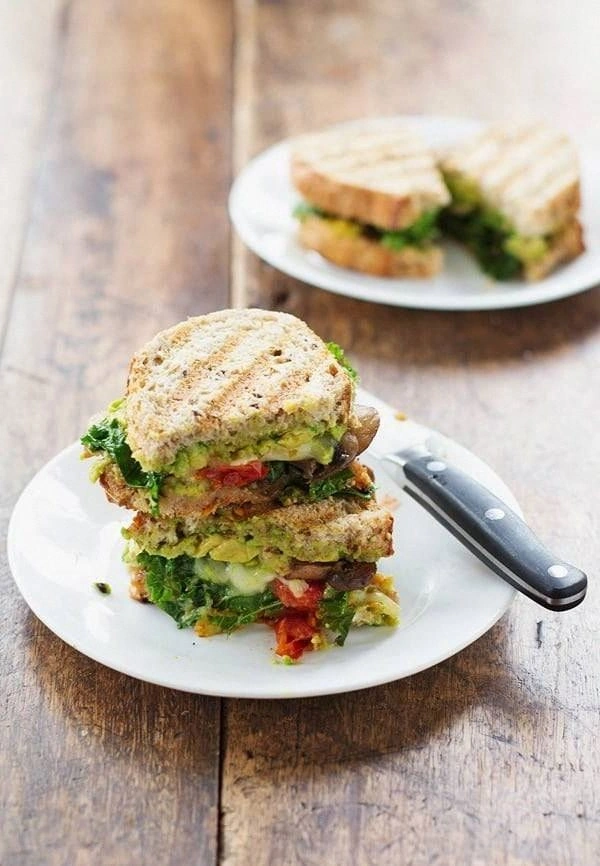
The Method — Step by Step
Start by preparing the avocado‑pesto spread. In a bowl, mash two ripe avocados until smooth, then stir in a quarter‑cup of basil pesto, the juice of half a lemon, and a pinch of sea salt. The mixture should be creamy yet slightly chunky, like a perfect guacamole with a herbal twist. Taste and adjust the seasoning—if it feels too thick, add a splash of olive oil to loosen it. This step? Pure magic.
Kitchen Hack: Use a small offset spatula to fold the pesto into the avocado; it preserves the bright green color better than a whisk.While the spread rests, slice the ciabatta rolls lengthwise, being careful not to cut all the way through—think of a hinge. Lightly brush the outer sides of each roll with two tablespoons of olive oil. The oil will caramelize on the grill, giving you that coveted golden crust. If you’re using sourdough, a thin layer of melted butter works wonders too. Let the oiled bread sit for a minute while the pan heats up.
Heat a cast‑iron grill pan over medium‑high heat until it’s shimmering—about 180 °C (350 °F). Place the rolls, oil‑side down, onto the pan for just 30 seconds to kick‑start the toasting. You’ll hear a gentle sizzle that signals the crust is forming. Flip the rolls and set them aside; they’ll finish cooking later under pressure.
Now, sauté the veggies. Add a drizzle of olive oil to the pan, then toss in one cup of fresh spinach, half a cup of sliced roasted red peppers, and one sliced medium tomato. Cook for 2‑3 minutes, stirring occasionally, until the spinach wilts and the peppers release a sweet aroma. The tomatoes should soften but retain their shape; overcooking will make them watery, and that’s a surefire way to soggy bread.
Layer the mozzarella. Sprinkle one cup of shredded mozzarella evenly over the inner faces of the toasted rolls. The cheese will begin to melt as the panini presses, creating a sticky, glossy blanket. If you prefer a sharper bite, mix in a tablespoon of grated Parmesan for extra depth.
Assemble the panini. Spread a generous layer of the avocado‑pesto mixture on the bottom half of each roll, then pile on the sautéed veggies. Make sure the spinach is evenly distributed; you don’t want any bite without that fresh crunch. Top with the cheese‑covered side, then gently press the sandwich together.
Press and grill. Return the assembled panini to the hot grill pan, close the lid (or use a heavy skillet as a press), and reduce the heat to medium. Cook for 4‑5 minutes, checking that the crust is deep golden brown and the cheese is fully melted. The lid traps steam, ensuring the interior heats evenly while the exterior stays crisp.
Watch Out: If the heat is too high, the bread will burn before the cheese melts; keep the temperature moderate and be patient.Flip halfway through. Using a spatula, carefully turn the panini over after about 2‑2½ minutes. This ensures both sides receive equal heat and creates that signature double‑crunch. The aroma at this stage is intoxicating—think toasted herbs, buttery cheese, and a hint of the avocado’s earthiness. Press down lightly again to maintain contact.
Rest before slicing. Once the cheese is bubbling and the crust sings with a crisp snap, remove the panini from the heat and let it rest for a minute. This short pause lets the cheese set just enough so the sandwich holds together when you cut it. Slice each panini diagonally for that classic panini look, and serve immediately while the steam still rises.
That’s it — you did it. But hold on, I’ve got a few more tricks that’ll take this to another level, ensuring every bite is a perfect harmony of texture and flavor.
Insider Tricks for Flawless Results
The Temperature Rule Nobody Follows
Most home cooks crank the heat to “high” hoping to speed things up, but that’s a recipe for burnt bread and unmelted cheese. The sweet spot sits at medium‑high, around 180 °C (350 °F). This temperature lets the outer crust caramelize slowly while the interior heats evenly. I once tried blasting it on high; the result was a panini that looked perfect on the outside but was gooey and cold in the middle. Trust the thermometer, and you’ll get that golden‑brown finish every single time.
Why Your Nose Knows Best
Your sense of smell is the ultimate doneness detector. When the panini starts to sizzle, listen for that subtle shift from a sharp hiss to a deeper, almost buttery crackle. That change means the crust is forming a caramelized layer. If you’re unsure, lift the panini briefly—if you smell toasted basil and a faint buttery aroma, you’re right on the money. Ignoring this cue often leads to over‑cooking or under‑cooking, especially with delicate cheeses like mozzarella.
The 5‑Minute Rest That Changes Everything
After you pull the panini from the grill, resist the urge to dive right in. Let it sit for five minutes; this short rest lets the cheese settle and the steam redistribute, preventing a soggy interior. I once sliced a hot panini immediately; the cheese oozed everywhere, turning the plate into a cheesy mess. A brief pause keeps the structure intact and the flavors melded, delivering that perfect bite‑after‑bite experience.
Oil‑Brush vs. Butter‑Spread
While olive oil gives a light, fruity crisp, a thin butter spread adds a richer, nutty flavor that some palates love. If you’re aiming for a Mediterranean vibe, stick with olive oil; for a more indulgent feel, swap half the oil for melted butter. I tried butter once and the panini turned out too heavy for my taste, but a 50/50 blend gave me the best of both worlds—golden crust with a subtle buttery depth.
The Secret of Pre‑Made Spread
Make the avocado‑pesto spread a day ahead and store it in a shallow container. Press a piece of plastic wrap directly onto the surface, then drizzle a tiny bit of lemon juice over the top before sealing. This creates a barrier that stops oxidation, keeping the spread bright green and fresh. I used to mash the avocado fresh every time, which added extra prep time; now I’m ready in under two minutes, and the flavor is even more cohesive.
Creative Twists and Variations
This recipe is a playground. Here are some of my favorite ways to switch things up:
Mediterranean Sunrise
Swap mozzarella for crumbled feta and add sliced kalamata olives. The salty tang of feta balances the creamy avocado, while olives introduce a briny pop that transports you straight to a Greek taverna. Perfect for brunchers who love bold flavors.
Spicy Southwest
Incorporate a thin layer of chipotle mayo and replace roasted red peppers with grilled corn kernels and black beans. The smoky chipotle heats up the palate, and the corn adds a sweet crunch that contrasts the cool avocado. This version is a hit at casual gatherings.
Harvest Delight
During autumn, toss in roasted butternut squash slices and a drizzle of maple‑balsamic glaze. The natural sweetness of the squash mingles with the earthy avocado, while the glaze adds a glossy finish. It’s a cozy, comforting twist that screams sweater weather.
Asian Fusion
Replace pesto with a spoonful of miso‑ginger sauce, add pickled daikon radish, and sprinkle toasted sesame seeds on top. The umami depth from miso and the tang from pickles create a complex flavor profile that’s both familiar and exotic. Great for adventurous eaters.
Protein Power
Add a layer of grilled tempeh strips or marinated tofu for a protein boost. The firm texture of tempeh holds up well under the press, and its nutty flavor pairs nicely with the avocado spread. This variation turns the panini into a hearty, post‑workout meal.
Storing and Bringing It Back to Life
Fridge Storage
Wrap each assembled (but unpressed) panini tightly in parchment paper, then place in a zip‑top bag. They’ll stay fresh for up to 24 hours. The avocado spread may darken slightly, but a quick drizzle of lemon juice before reheating restores its vibrant hue.
Freezer Friendly
For longer storage, freeze the assembled panini (without the cheese melted) on a baking sheet, then transfer to a freezer bag. They’ll keep for up to three months. When you’re ready, thaw overnight in the fridge, then finish the grilling step; the cheese will melt perfectly on the second heat.
Best Reheating Method
Reheat in a preheated skillet over medium heat, adding a splash (about a teaspoon) of water to the pan before covering. The steam revives the bread’s crunch while ensuring the interior warms evenly. Avoid microwaving; it makes the crust rubbery and the avocado turn mushy.